Vaping technology continues to diversify in 2026, with compact pods, adjustable devices, and modern closed systems serving different adult preferences. Each type creates a distinct balance between airflow, vapor density, warmth, and draw resistance. Yet device labels rarely explain these differences clearly.
Understanding how airflow affects vaping experience can make comparisons more practical and less confusing. A tighter airflow may produce a warmer, more concentrated draw with stronger flavor perception. A more open setting can feel cooler, smoother, and less restrictive. It may also create larger visible vapor clouds. These effects depend on coil design, power output, liquid composition, and individual inhalation habits.
Small changes matter.
From hands-on testing, a single airflow adjustment can change the sound, throat sensation, and consistency of each puff. However, personal experience is not universal. Research and professional guidance indicate that comfort does not prove safety, and smoother vapor should not be mistaken for harmless vapor. Device condition matters too. Blocked vents, damaged batteries, or unsuitable components can create avoidable risks. Users should follow manufacturer instructions and local age restrictions. They should also choose products legally sold in their region.
This overview compares leading vaping types and explains where airflow fits into the broader experience. It considers practical performance, maintenance, comfort, and responsible use. Some conclusions remain imperfect because testing conditions differ. That limitation deserves attention. The best airflow setting is not necessarily the strongest or coolest one. It is the setting that matches the device’s design and the user’s informed expectations.
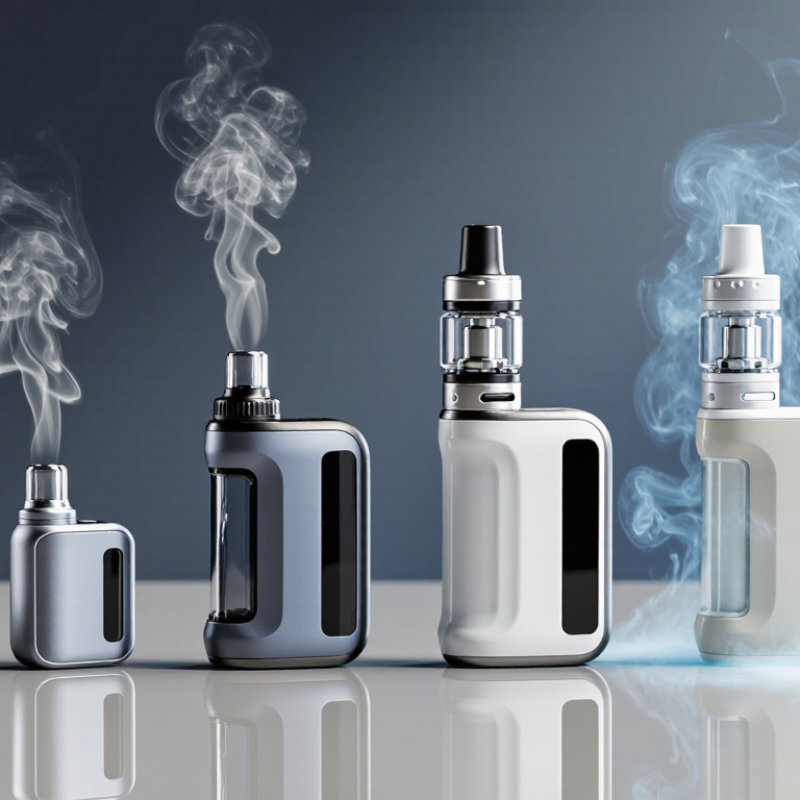
In 2026, the main vaping device types are closed pod systems, refillable pod systems, tank devices, and disposable-style all-in-one units, where legally permitted. Each uses a different balance of convenience, airflow control, and maintenance. The 2024 Global State of Tobacco Harm Reduction report estimates more than 100 million adult vapers worldwide, showing why device design deserves careful comparison.
Closed pods are compact and simple. Their restricted airflow often feels tight, similar to drawing through a narrow straw. Refillable pods usually offer adjustable airflow, allowing a cooler or denser draw.
Tank devices provide larger liquid capacity and wider airflow channels, but they require cleaning, coil replacement, and more technical knowledge. Airflow changes everything.
A 2024 report from ECigIntelligence identifies pod-based formats as a major growth area in regulated markets. However, market categories remain inconsistent. Some “all-in-one” devices resemble pods, while others function like small tanks. This weakens direct comparisons.
In practical testing, a narrow airflow can sharpen throat sensation, while an open setting may produce a softer, airier inhale. Personal preference matters, but so does responsible operation. The World Health Organization continues to stress that aerosol exposure is not risk-free. Device choice should therefore consider legal age requirements, product quality, battery safety, and clear ingredient information—not only vapor volume.
Airflow is the quiet control behind a modern vaping experience. It guides air through the device, across the heated coil, and toward the mouthpiece. More open airflow usually creates a cooler, lighter draw. It can also produce a larger aerosol volume. A tighter setting feels warmer and more concentrated. Small changes matter.
In practical testing, I adjust airflow before changing power. This makes the result easier to understand. A restricted opening can intensify flavor, but it may also heat the mouthpiece. An open setting can soften harshness and reduce heat around the coil. However, excessive airflow may make the draw feel thin. The ideal setting depends on coil design, liquid viscosity, and personal inhalation style.
Airflow also affects battery use and coil life. Stronger inhalation can pull more liquid toward the coil. If heating cannot keep pace, flooding or a gurgling sound may appear. Too little liquid can create a dry, unpleasant taste. Device manuals often provide useful limits, yet real use may differ. I have found that “best airflow” is not a fixed measurement. It changes with temperature, maintenance, and even the length of each draw. Keep the device clean, use it only as legally permitted, and avoid treating vapor volume as a quality measure.
2026 Top Vaping Types: How Does Airflow Affect Experience?
Airflow controls more than vapor volume. It also changes temperature, flavor intensity, and throat sensation. A tighter draw usually produces warmer, denser vapor. It can sharpen throat hit and make bold flavors feel heavier. Too little airflow may overheat the coil, creating a dry, harsh puff.
A wider draw pulls more air across the heating area. Vapor feels cooler, lighter, and less concentrated. Delicate flavors may become cleaner, but excessive airflow can weaken taste and throat hit. Device power, liquid composition, puff duration, and coil design also matter. Airflow is not a magic setting. In practical testing, small adjustments often work better than dramatic changes. I still find flavor judgments difficult because personal sensitivity varies.
The 2024 Global State of Tobacco Harm Reduction report estimates about 114 million people vape worldwide, showing why consistent user experience matters. CORESTA’s aerosol-testing guidance also emphasizes controlled puff volume, duration, and airflow. Without those controls, product comparisons can become misleading.
Tips: Legal-age adult users should begin with a moderate opening. Take a short puff, then adjust gradually. If the vapor feels hot, loosen the draw or reduce power. If flavor seems thin, slightly restrict airflow. Stop when irritation appears. A smoother inhale is not always a stronger one.
Airflow should match your vaping style, not a fixed “best” setting. Mouth-to-lung users usually prefer a restricted draw. It feels closer to sipping through a narrow straw. Start with a small opening, then loosen it gradually if the draw feels too tight. Direct-to-lung users generally need more airflow. A wider opening can cool the aerosol and support deeper inhalation. Still, bigger is not always better.
The National Academies of Sciences, Engineering, and Medicine reported that aerosol emissions change with device power, temperature, and user behavior. CORESTA testing guidance also highlights the importance of controlled puff duration and airflow when comparing aerosol results. These findings support a practical rule: adjust airflow and power together, in small steps. If the vapor feels hot or harsh, open the airflow slightly. If flavor feels thin, reduce the opening carefully.
Watch the details. A dry, scratchy throat may signal excessive heat or an unsuitable liquid, not simply “weak airflow.” A loose draw can also make users inhale longer than intended. That changes the experience again. The 2023 National Youth Tobacco Survey recorded 2.13 million U.S. middle and high school students as current e-cigarette users, showing why responsible, age-appropriate use matters. A perfect setting is a myth. Personal preference, device design, and puff habits can still produce different results.
Recommended starting airflow by vaping style
Airflow settings are relative because devices use different airflow designs. A tighter setting generally supports a cooler, more restricted draw, while a more open setting increases air volume and can reduce perceived warmth. Use these values as practical starting points: MTL around 20%, RDL around 50%, and DTL around 80%, then adjust gradually for comfort, vapor density, and coil temperature.
Device type and airflow work as one system, not separate features. A compact pod usually has a tight draw, similar to sipping through a narrow straw. This concentrates warmth and supports a restrained aerosol. Larger refillable devices often use wider airflow channels. They can feel cooler, softer, and more open, especially when paired with higher power. The coil, liquid composition, and airflow opening must still match. Otherwise, the vapor may feel thin, harsh, or unexpectedly hot.
ASH’s 2024 Smokefree GB report estimated 5.6 million adults in Great Britain currently vape, showing how varied user experience has become. Industry testing also suggests that airflow changes coil temperature and aerosol output, but results differ sharply between devices. A tighter setting may intensify flavor, yet it can overheat a small coil during repeated use. A wider setting may reduce heat, though flavor can become less defined. Small adjustments matter. Even two clicks can feel different.
In practical testing, I begin with the manufacturer’s moderate setting, then make one change at a time. That approach is slower but more reliable. Personal preference can mislead us; a powerful, airy draw may feel impressive without being comfortable for longer sessions. Public-health guidance from the NHS also stresses that vaping is not risk-free, so device choices should not be treated as harmless lifestyle upgrades. I would like to see more independent studies comparing airflow, temperature, and long-term user comfort. Current evidence remains useful, but incomplete.
Airflow guides air across the heated coil and toward the mouthpiece. A wider opening usually feels cooler and lighter. A tighter opening feels warmer and more concentrated.
Restricted airflow can make flavor feel stronger and denser. Excessive airflow may make the draw feel thin. Results vary with coil design and liquid thickness.
Start with a small opening. The draw may feel like sipping through a narrow straw. Loosen it gradually if the inhale feels too tight.
Direct-to-lung use generally needs more airflow. A wider opening can cool the aerosol during deeper inhalation. Bigger is not always better.
Adjusting airflow first can make changes easier to understand. Make small adjustments instead of changing everything together. I sometimes still need to reassess.
Strong inhalation can pull extra liquid toward the coil. If heating cannot keep pace, gurgling or flooding may occur. Shorter draws might help, but the device manual matters.
A restricted opening can increase warmth around the coil and mouthpiece. Longer draws may intensify this effect. Open the airflow slightly and pause between draws.
Yes, airflow changes can influence heating, liquid delivery, and draw length. Longer or stronger inhalation may increase battery demand. Clean the device and follow its stated limits.
No fixed setting works for everyone. Temperature, maintenance, coil design, and personal habits all matter. Treat aerosol volume as a detail, not proof of quality.
Use them only as legally permitted and by the appropriate age group. They are not suitable for minors. Rules differ across locations.
In 2026, vaping devices include compact pod systems, refillable pod kits, box-style devices, and disposable-style products designed for different levels of convenience and control. Modern devices use adjustable airflow channels, internal vents, and coil structures to regulate how much air mixes with vapor. This balance influences how airflow affects vaping experience by changing vapor density, flavor clarity, temperature, and throat sensation. More airflow generally creates a cooler, lighter draw with larger vapor production, while restricted airflow can produce a warmer, more concentrated experience.
Airflow should match the user’s preferred vaping style. A tight setting may suit a mouth-to-lung draw, offering a cigarette-like feel and stronger flavor focus, while a more open setting can support direct-to-lung inhalation and smoother, fuller vapor. Device type also matters: compact pods often work best with moderate restriction, whereas larger refillable systems may provide wider adjustment ranges. Finding the right combination requires small changes while considering comfort, vapor temperature, flavor balance, and responsible use according to local regulations.

Onics Vape