A 510 thread battery is a small, rechargeable power source designed for compatible vaporizer cartridges and atomizers. The “510” refers to the widely used connection pattern, while the thread allows the battery and cartridge to join securely. So, what is a 510 thread battery used for? It is mainly used to heat approved oil, e-liquid, or aromatherapy cartridges through a controlled electrical coil.
Market research shows why this standard matters. Grand View Research has reported strong growth in the global e-cigarette and vaporizer market, with forecasts showing double-digit annual expansion. Mordor Intelligence also identifies cartridge-based devices as a significant product segment. These reports measure broad commercial activity, not product safety. That distinction matters.
Dr. Brian King, former director of the FDA’s Center for Tobacco Products, has stated, “There is no safe tobacco product.” His warning helps place battery use in context. A 510 battery does not make a cartridge harmless. It only supplies power. Users should check thread compatibility, inspect the cartridge seal, and follow the manufacturer’s charging instructions. Never use a damaged battery.
A practical example is simple. The battery connects below the cartridge, then activates the heating element through a button or draw sensor. Some models offer variable voltage. Higher settings may produce more vapor, but they can also create excessive heat and unpleasant burnt flavors. Lower settings are often gentler.
This guide focuses on lawful, manufacturer-approved products. It cannot replace technical instructions. Compatibility labels can be confusing. Even experienced users can overlook small warning signs, such as a loose connector or unusual warmth. Safety requires attention, not confidence.
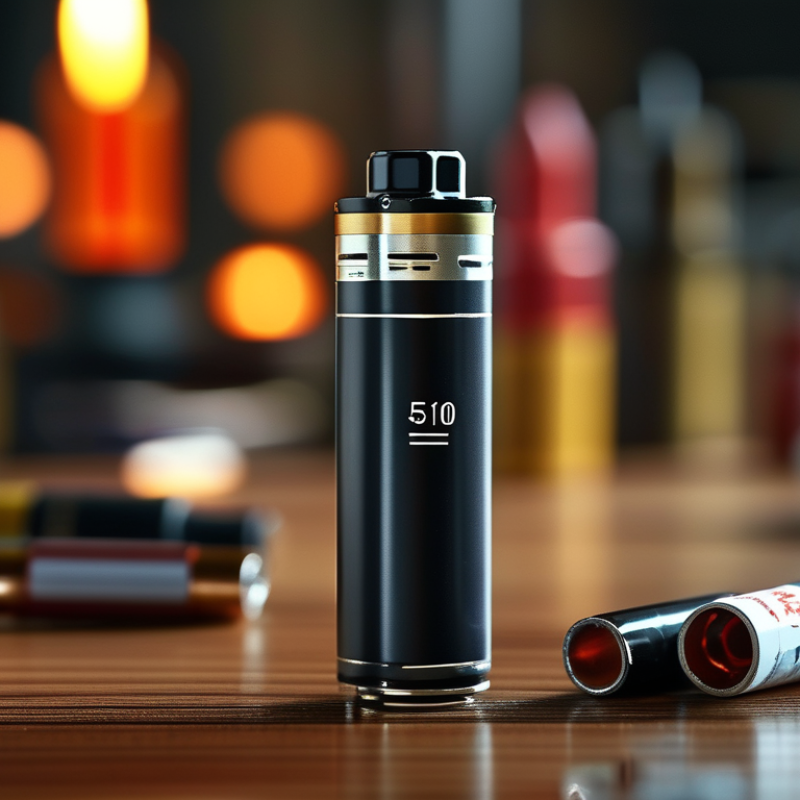
A 510 thread battery is a rechargeable power source for compatible vaporizer attachments. The name refers to its common screw connection, which has ten threads and a 5 mm diameter. This standard lets one battery fit many matching cartridges or atomizers. It does not store the material itself. Instead, it supplies controlled power to a heating element. The element then warms the attached material for inhalation. Some batteries use a button, while others activate when you inhale.
Tips: Check the connection before attaching anything. It should turn smoothly, without force. Start with the lowest suitable voltage, then adjust slowly. Higher power may create more heat and shorten attachment life. Keep the battery dry, clean, and away from direct sunlight. Use the supplied charging cable when possible. Do not charge it overnight or leave it unattended. Small details matter.
In daily use, wipe the threaded area with a dry cotton swab. A dirty connection can cause weak performance or flashing lights. Store the battery separately when traveling. Avoid loose metal objects near its terminals, such as keys or coins. I have found that users often tighten attachments too much. That can damage the threads. It is better to stop when the connection feels secure. Always follow the device instructions and local safety requirements.
How to Use a 510 Thread Battery: What Is It For?
A 510 thread battery powers cartridges with a matching 510 screw connection. However, matching threads do not guarantee safe compatibility. Check the cartridge specifications before attaching it. Confirm the connector type, operating voltage, resistance range, and recommended power setting. Some cartridges need low voltage, while others may heat unevenly at higher settings. A battery with variable voltage offers better control, but more control can create mistakes. Keep it simple.
The cartridge should sit straight and tighten gently. Never force the connection. Inspect the center pin, seal, and airflow openings for dirt, damage, or moisture. A loose cartridge may produce weak performance, while a blocked airflow path can increase heat. The U.S. Fire Administration has cited 2,035 reported electronic-device battery fires and explosions between 2009 and 2016, with 38 injuries. That history makes charging and fit checks important, not cosmetic. Use the supplied charging method, place the device on a solid surface, and stop using it if the battery becomes unusually hot, swells, leaks, or smells strange. UL safety guidance identifies overcharging, short circuits, and overheating as key lithium-ion battery abuse conditions. I still find compatibility charts imperfect. Specifications can change, and some cartridges provide incomplete details. When information is missing, do not guess.
| Check or Feature | What It Means | Typical Information | Compatibility or Usage Guidance |
|---|---|---|---|
| 510 Thread | The connection standard used to join many batteries and cartridges. | A small threaded connector, commonly using a 10-thread-per-inch pattern. | Both the battery and cartridge should be designed for a 510 connection. A similar-looking connector is not automatically compatible. |
| Primary Purpose | Supplies controlled electrical power to a compatible cartridge heating element. | Used with oil or concentrate cartridges that contain a compatible atomizer. | It does not replace the cartridge and is not intended to power unrelated accessories. |
| Thread Fit | Confirms that the cartridge can physically screw onto the battery. | The cartridge should screw on smoothly and sit straight without excessive force. | Do not force cross-threaded parts. Stop if the connection feels uneven, loose, or obstructed. |
| Voltage Range | The electrical output available to heat the cartridge. | Many adjustable batteries provide a low-to-moderate range, often about 2.5–4.0 V; the exact range varies. | Stay within the cartridge maker’s specified voltage range. Begin at the lowest recommended setting. |
| Cartridge Resistance | The resistance of the heating coil, measured in ohms (Ω). | Many cartridges fall roughly between 1.0 Ω and 2.5 Ω, although specifications differ. | Confirm that the battery supports the cartridge’s resistance. Very low resistance can draw more current and heat more quickly. |
| Variable Voltage | Allows the user to adjust power output. | Common controls include buttons, a dial, or multiple preset levels. | Use a lower setting for a new cartridge and increase gradually only when permitted by its specifications. |
| Preheat Function | Provides a short, low-power warm-up cycle to help fluid flow through the coil. | Often runs for approximately 5–15 seconds, depending on the battery design. | Use only when needed and follow the battery instructions to avoid overheating the cartridge. |
| Activation Method | Describes how the heating cycle starts. | Draw-activated models respond to inhalation; button-activated models require a control-button press. | Check the operating instructions before use. Button-operated batteries commonly use a five-click on/off control, but this is not universal. |
| Airflow Clearance | Ensures air can pass through the cartridge and battery connection. | Some batteries use side airflow openings or a recessed connection. | Do not cover airflow holes, and avoid cartridges that block the battery’s air path. |
| Charging Port | The interface used to recharge the internal battery. | Common designs include USB-C or a manufacturer-supplied charging adapter. | Use the supplied or approved charging equipment, place the battery on a non-flammable surface, and unplug it when fully charged. |
| Battery Type | Indicates whether the battery is built in or removable. | Many compact 510 batteries use an integrated rechargeable lithium-ion cell. | Do not open, modify, puncture, or replace an integrated cell unless the device is specifically designed for servicing. |
| Connection Detection | Shows whether the battery recognizes the cartridge. | A light may blink or the device may display an error when there is no electrical contact. | Remove the cartridge, clean both contact areas with a dry cotton swab, and reattach it gently. Persistent errors indicate a possible incompatibility or fault. |
| Contact Pin Alignment | The center contact transfers power from the battery to the cartridge. | The pin should touch the cartridge contact without being pushed down excessively. | Avoid metal tools and do not pry the pin upward; damage can cause poor contact or a short circuit. |
| Physical Clearance | Checks whether the cartridge body fits without touching controls or the charging port. | Cartridges vary in diameter, length, and base shape even when they use the same thread. | Confirm that the cartridge does not wobble, obstruct airflow, or prevent the battery from standing safely. |
| Leak and Damage Inspection | Identifies conditions that may make use unsafe or unreliable. | Warning signs include cracked glass, leaking fluid, bent threads, corrosion, swelling, or unusual heat. | Do not use damaged or leaking parts. Keep liquid away from the battery and dispose of damaged lithium-ion devices according to local rules. |
| Safe Operating Sequence | A basic procedure for checking and using a compatible setup. | Inspect, verify specifications, attach gently, select the lowest setting, and take a short draw. | Stop immediately if the battery becomes unusually hot, produces an error, or behaves unexpectedly. Follow all applicable laws and the device instructions. |
A 510 thread battery powers compatible, legally sold vapor devices through a standard screw connection. Check the battery manual before attaching anything. Most connections use clockwise rotation. Turn the cartridge gently until it sits firmly. Do not force it. Over-tightening can damage the contact pin and interrupt power.
To activate the battery, many models use five quick button presses. Others use a single press or draw activation. Follow the printed instructions, not memory. Press the button while inhaling only when the device requires it. A small indicator light usually confirms activation. If nothing happens, remove the cartridge and inspect the contact area. Keep both threads clean and dry. UL 8139 testing focuses on risks such as overheating, electrical faults, and abnormal charging. CPSC safety reporting also repeatedly links lithium-ion incidents with damaged cells, unsuitable chargers, and unattended charging.
Tips
Charge with the supplied cable on a hard, nonflammable surface. Stop using the battery if it becomes unusually hot, swollen, cracked, or smells strange. Never leave it charging overnight. Keep metal objects away from the connector. Do not use a damaged cartridge. A loose connection may look harmless, but it can cause inconsistent heating. I still check the connection twice; a quick inspection is easier than correcting a battery failure. Rechargeable battery guidance from IEC 62133-2 supports using protected cells, controlled charging, and physical damage checks. The standard is not a substitute for the device manual.
A 510 thread battery is designed to connect with compatible 510-thread cartridges. Common control conventions include one press to activate, two presses for preheat on supported models, and five rapid presses to turn the battery on or off. Button functions and voltage settings can vary by device, so check the product instructions before use.
A 510 thread battery powers compatible, legal cartridges through a standardized screw connection. Before use, check the battery manual and cartridge specifications. Devices can look similar but operate differently. Some batteries use buttons, while others activate automatically. Attach the cartridge gently and keep it straight. Forced threading can damage the connection. A loose fit may cause weak performance or no response.
Adjust the voltage to match the cartridge maker’s guidance. Start with the lowest setting, then increase it gradually if needed. Lower voltage usually produces a smoother experience and helps prevent overheating. Higher voltage may create stronger output, but it can also waste material or damage the cartridge. Press the button only while using the device. Take short draws and allow the battery to rest between uses. I used to assume a higher setting worked better. It often did not. Small adjustments were more reliable.
Tips: Charge the battery with the recommended cable and place it on a stable surface. Keep it away from heat, water, and direct sunlight. Do not use a battery with dents, leaks, damaged threads, or unusual heat. Stop immediately if it smells strange or behaves inconsistently. Clean the connection with a dry cotton swab. Store the battery separately when traveling. Never leave it charging overnight or unattended. When uncertain, check the manual instead of guessing.
A 510 thread battery powers compatible electronic devices through a standardized screw connection. Safe charging begins with the correct cable and a clean, undamaged port. Place the battery on a hard, nonflammable surface. Never charge it overnight, inside a vehicle, or beside bedding. Stay nearby.
The U.S. Consumer Product Safety Commission reported hundreds of overheating and fire incidents involving rechargeable lithium-ion batteries in micromobility products between 2017 and 2022. A 510 battery is smaller, but the same battery principles apply. Stop using it if the casing swells, leaks, smells unusual, or becomes hot during charging. Do not attempt repairs. I once ignored a warm charging device for several minutes; that was careless, not convenient.
Store the battery partly charged in a cool, dry place, away from keys, coins, and direct sunlight. A protective case helps prevent accidental contact and scratches. The NFPA identifies damaged batteries, improper charging, and incompatible equipment as recurring fire-risk factors. Check the threads regularly, then remove dust with a dry cotton swab. Avoid water and metal tools. Do not force a connection. If charging takes much longer than usual, the battery may be aging, although timing alone cannot confirm damage. Replace questionable units through an approved battery-recycling program, never household trash.
: It powers compatible, legally sold cartridges through a standard screw connection. Check both device specifications before use.
Keep the cartridge straight and turn it clockwise gently. Stop when it feels firm. Do not force it.
Many models use five quick button presses. Others use one press or draw activation. Follow the printed manual.
A small light usually confirms activation or charging. If nothing happens, remove the cartridge and inspect the contact area.
Start with the lowest setting recommended for the cartridge. Increase gradually only when needed. Lower voltage often feels smoother.
Take short draws and let the battery rest between uses. Press the button only when the device requires it. Higher settings are not always better.
Stop using it if it swells, cracks, leaks, smells unusual, or becomes very hot. A damaged battery is not worth testing.
Use the supplied cable on a hard, nonflammable surface. Never charge it overnight or unattended. Keep it away from water, heat, sunlight, and metal objects.
Keep the threads and contact area clean and dry. A dry cotton swab can remove residue. I check the connection twice; guessing has caused me trouble before.
Do not over-tighten the cartridge, use a damaged cartridge, or rely on memory. Devices can look identical but operate differently. That detail is easy to miss.
A 510 thread battery is a rechargeable power device designed to connect with compatible 510-thread cartridges or attachments. So, what is a 510 thread battery used for? It supplies controlled power to an approved cartridge, allowing the attached device to operate without a built-in battery. Before use, check that the battery and cartridge have matching threads, connection size, voltage requirements, and intended applications. Do not force incompatible parts together.
To use it, gently screw the cartridge onto the battery, then activate it according to the device instructions, such as pressing a control button or using an automatic draw feature. If voltage adjustment is available, begin with the lowest setting and increase it gradually while following the cartridge’s specifications. Charge the battery with the recommended cable and charger, keep the contacts clean and dry, and avoid overcharging, extreme temperatures, drops, or damaged components. Store it in a cool, dry place away from children and metal objects, and stop using it if the battery becomes swollen, unusually hot, or visibly damaged.

Onics Vape