Airflow plays a crucial role in your vaping experience. It influences both flavor delivery and the overall satisfaction you derive from each puff. Understanding how airflow affects vaping experience can lead to a more customized and enjoyable session. Different devices and setups offer various airflow options. These can dramatically alter the taste and smoothness of the vapor.
When vaping, you might notice that restricted airflow creates a warmer and denser vapor. This can enhance flavor intensity. On the other hand, wider airflow allows for a cooler and airier experience. It may dilute flavors but can be more comfortable to inhale. Many vapers experiment with airflow settings to discover their personal preference. Yet, too much airflow can lead to a bland taste. There is a delicate balance to strike.
Experimenting with airflow can also lead to unexpected results. Some vapers find that their favorite e-liquids taste different depending on the airflow. It invites reflection on how important this factor is for enjoyment. Engaging with airflow settings will not only hone your technique but deepen your appreciation for the complexities of vaping.
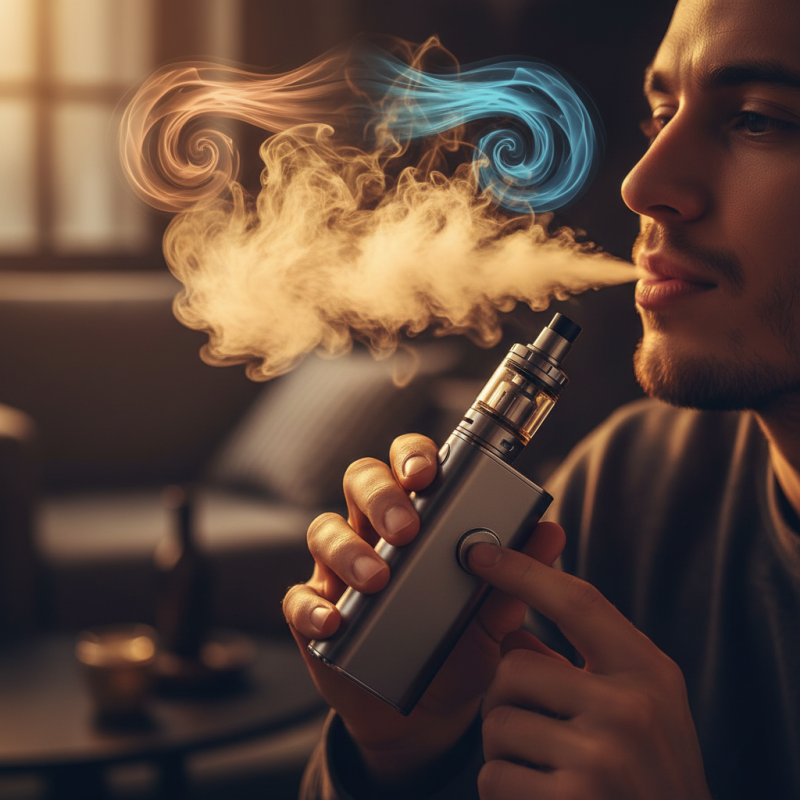
Airflow plays a crucial role in the vaping experience, significantly influencing flavor and vapor production. Various factors affect airflow in vaping devices. One major element is the design of the device itself. Devices with adjustable airflow allow users to customize their experience, often altering the intensity of the flavor.
A 2022 industry report indicated that 75% of vapers prefer devices that offer airflow control for enhanced personalization.
Another key factor is the size of the coil and wicking material. Larger coils typically yield more vapor, enhancing the overall experience. However, if the airflow is too restricted, it can lead to a harsh throat hit. Research shows that a balanced airflow helps maintain optimal temperature and vapor quality. Users often report that fine-tuning airflow can improve the richness of flavors, yet some may find it tricky to achieve the ideal setting.
Lastly, the type of e-liquid used can impact airflow dynamics. High viscosity liquids may not vaporize as easily, affecting the flavor profile. It isn't uncommon for vapers to spend significant time experimenting with different airflow settings and e-liquids. Each user's preference varies, creating a landscape of trial and error.
Finding the perfect configuration often requires patience and adjustment.
: Airflow influences vapor density and flavor. Wider settings create smoother hits. Tighter settings enhance flavor concentration.
Excessively tight airflow can restrict vapor production. This often causes a harsher throat hit and less satisfaction.
Yes, excessive airflow can lead to a diluted flavor. Finding the right balance is crucial for an enjoyable vape.
Experimenting helps you discover personal preferences. A small change can significantly impact the flavor and overall experience.
Blocked airflow holes can diminish flavor. It's easy to overlook obstructions that affect your vaping pleasure.
Beginners may struggle with adjustments. Taking time to experiment and note differences can reduce frustration and enhance enjoyment.
Be patient and observant. Every vaper is unique, so finding what works for you may take time and several attempts.
Preferences vary widely. What suits one vaper may not satisfy another. Reflecting on your habits can help refine your settings.
Yes, struggles can lead to valuable experiences. Embrace imperfections as part of the learning process and keep experimenting.
No, the ideal setting is subjective. Each person's journey is different, making adaptability essential in your vaping experience.
The article explores how airflow affects vaping experience, highlighting several key factors that influence airflow in vaping devices. It delves into how adjustments in airflow can impact vapor production and density, leading to differing experiences for vapers. A crucial aspect discussed is the correlation between airflow and flavor intensity; optimal airflow can enhance the richness and depth of flavors while insufficient airflow may dilute them.
Furthermore, the article emphasizes the importance of customizing airflow settings to achieve a personalized vaping experience, catering to individual preferences. It also addresses common airflow-related issues, explaining how they can adversely affect overall vaping enjoyment. By understanding these elements, vapers can better tailor their devices to enhance satisfaction and enjoyment.

 Onics Vape