As adults examine what are the benefits of pod system devices in 2026, practicality remains a central consideration. These compact devices usually fit easily into a pocket and require fewer settings than larger, more complex systems. Many models use draw-activated operation, simple charging ports, and prefilled or refillable pods. That can make daily handling less complicated. Less clutter matters.
For adult smokers seeking a regulated alternative, pod systems may offer a familiar nicotine experience without burning tobacco. They produce an aerosol rather than cigarette smoke, which can reduce exposure to many harmful combustion chemicals. However, “reduced exposure” does not mean harmless. Dr. Colin Mendelsohn, a tobacco-treatment specialist, has stated, “Vaping is not harmless, but it is much less harmful than smoking.” His view supports a careful interpretation, not a careless promise.
The practical benefits also include portability, discreet storage, and generally lower maintenance than traditional refillable devices. A user might carry one small pod instead of tobacco, papers, and an ashtray. Battery indicators can reduce unexpected interruptions. Still, performance varies between brands, pod materials, battery sizes, and nicotine formulations. Some pods create more waste because cartridges are discarded frequently. That weakness deserves attention.
Reliable guidance should focus on adult smokers, product quality, responsible storage, and local regulations. Non-smokers should not begin using nicotine products. The most defensible answer to what are the benefits of pod system devices is therefore balanced: convenience, simplicity, and possible harm reduction for existing smokers, alongside real health, waste, and dependence concerns. Benefits exist. They are not universal.
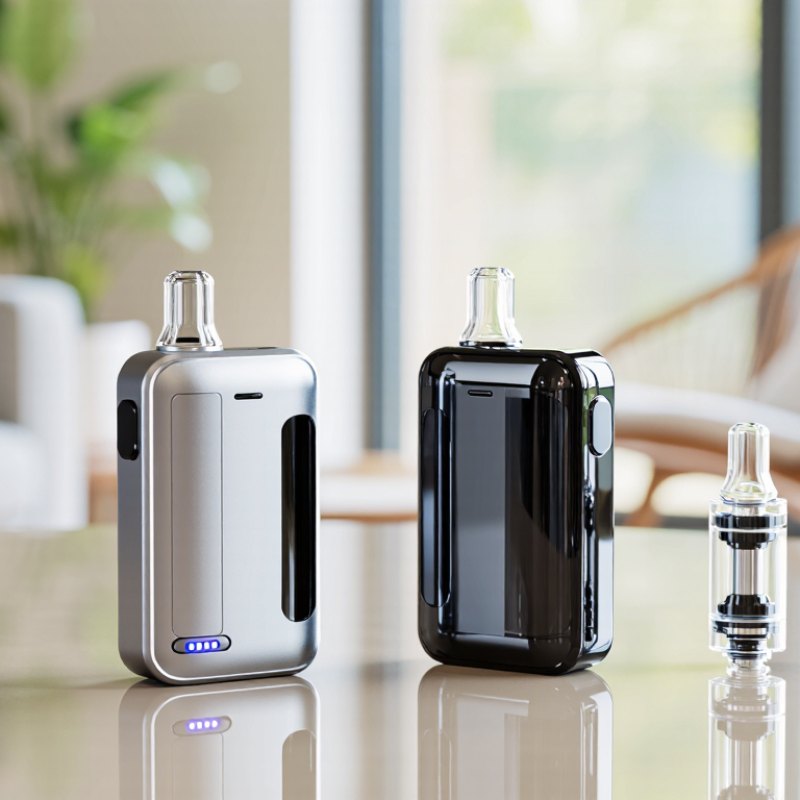
Pod system devices are compact electronic vaporizers built around two parts: a rechargeable battery and a replaceable or refillable pod. The pod holds e-liquid and contains the heating element. Many devices activate when the user inhales, so no button or complex settings are required. Their small size fits easily in a pocket, while sealed pods can reduce spills during daily travel. The Global State of Tobacco Harm Reduction reported more than 80 million nicotine-vaping users worldwide in 2021. Market estimates also show continued growth, although figures differ by research method.
For adult users who already choose vaping where legal, pod systems may offer simple handling, predictable vapor delivery, and lower maintenance than larger devices. They do not burn tobacco, but they are not risk-free. Nicotine can cause dependence, and some liquids may irritate the throat or lungs. The U.S. National Academies found substantial evidence that e-cigarette aerosol contains fewer toxicants than combustible tobacco smoke, while stressing that exposure still exists. That distinction matters. A smaller device is not automatically a safer device.
Tips: Check the battery, pod seal, and ingredient label before use. Keep devices away from children, pets, heat, and direct sunlight. Never modify a battery or use damaged equipment. I still question whether convenience can encourage more frequent use. That concern deserves attention, especially when product designs become easier to carry and operate.
In 2026, a pod system works through four small parts: a battery, sensor, coil, and pod. Drawing on the device activates the sensor. The battery then sends power to the coil. The coil heats e-liquid through a cotton or mesh wick. This process creates an aerosol, not harmless water vapor. Some newer devices adjust power automatically, while others use temperature control to reduce burnt taste.
The pod usually holds e-liquid in a sealed or refillable chamber. A magnetic connection keeps it aligned with the electrical contacts. Airflow channels guide the aerosol through the mouthpiece. A 2024 Grand View Research report valued the global e-cigarette market at about USD 28 billion in 2023. Its projected growth suggests wider adoption of compact systems, although market size does not prove safety or effectiveness. Small screens and puff counters can improve user awareness. They can also encourage repeated checking.
Practical testing shows that airflow, coil age, and liquid thickness can change each inhale. A nearly empty pod may taste dry. A blocked airflow path can feel unusually tight. Battery performance also declines over time. The World Health Organization states that e-cigarette emissions can contain harmful substances, so lower smoke exposure does not mean no health risk. That distinction is easy to miss. Users should follow local age rules, charging guidance, and disposal requirements. The technology is becoming more precise, but human habits remain difficult to control.
| Data Dimension | Typical 2026 Pod-System Data | How It Works | Potential Benefit and Limitation |
|---|---|---|---|
| Core components | Rechargeable battery, pod or cartridge, heating coil, wick, airflow path, sensor, and control electronics | The battery supplies controlled electrical power to the coil, which heats e-liquid and produces an aerosol for inhalation | A compact design with fewer user-adjustable parts can simplify operation, but the device still requires correct handling and maintenance |
| Battery capacity | Approximately 300–1,000 mAh is common for small rechargeable pod devices | Stored electrical energy powers the heating coil during each activation | Small batteries support a lightweight form factor; higher-capacity models generally provide longer use between charges but may be larger |
| E-liquid capacity | Approximately 1.5–5 mL, depending on the device design and applicable local regulations | E-liquid stored in the pod is drawn toward the wick and vaporized by the heated coil | A larger pod can reduce refill frequency; smaller pods can improve portability and reduce liquid exposure during carrying |
| Typical operating power | Approximately 8–25 W for many low-power pod configurations; actual output varies by design | Electronic regulation controls the voltage or wattage delivered to the coil | Lower power can support modest aerosol production and battery efficiency; excessive power may increase heat, consumption, and irritation |
| Coil resistance | Roughly 0.6–1.2 ohms is common in many pod configurations | Resistance affects the current flow, heating behavior, aerosol volume, and power requirement | Higher-resistance coils usually operate at lower power; coil compatibility is important to avoid poor performance or overheating |
| Activation method | Draw-activated, button-activated, or dual-activation designs | An airflow sensor detects inhalation, or a button completes the activation signal to the control circuit | Draw activation can be convenient; button activation can provide more control but requires correct storage to prevent accidental firing |
| Nicotine delivery format | Nicotine-free and nicotine-containing liquids are available; concentration limits vary by jurisdiction | Nicotine is carried in the aerosol and absorbed primarily through the respiratory system | A range of concentrations can support user choice, but nicotine is addictive and the delivered amount varies with device settings and user behavior |
| Charging interface | USB charging is widely used; USB-C is increasingly common in newer devices | A charging circuit replenishes the lithium-ion battery while monitoring current and voltage | Rechargeability can reduce the need for frequent battery replacement; charging should use compatible equipment and safe surfaces |
| Portability | Small, lightweight formats are a defining characteristic of pod systems | The integrated battery, compact pod, and low-power coil reduce overall device size | Easy portability may improve convenience, but it can also make frequent use less noticeable |
| Combustion | No tobacco combustion occurs during normal operation | The coil heats liquid rather than burning tobacco leaves | Compared with combustible cigarettes, removing combustion can reduce exposure to many smoke-related toxicants; pod aerosol is not harmless and may contain nicotine and other chemicals |
| Maintenance | Refillable models require pod filling and coil or pod replacement; sealed models require cartridge replacement | The wick must remain saturated to prevent dry heating, while the electrical contacts and airflow path should remain clean | Routine maintenance can preserve performance and reduce leakage; worn pods should be replaced and leaking liquid should not be ingested or left on skin |
| Environmental considerations | Devices contain batteries, electronic components, plastics, and residual e-liquid | The product becomes electronic waste when the battery or pod is no longer usable | Rechargeable designs may reduce disposable-unit consumption, but used devices and batteries should be handled through appropriate electronic-waste channels |
| Health and use status | Not risk-free; effects depend on nicotine content, product quality, frequency of use, and individual health factors | The user inhales an aerosol generated from heated ingredients rather than smoke from burned tobacco | Adults who do not use nicotine should not start; pregnant people, adolescents, and non-smokers should avoid nicotine products. Switching completely from cigarettes may reduce exposure compared with continued smoking, while dual use may reduce the potential benefit |
Note: Technical ranges are representative estimates for common pod-system designs, not universal specifications. Actual performance, nicotine delivery, capacity, charging time, and legal requirements vary by device, e-liquid, user behavior, and location.
Pod system devices offer practical benefits when used by legal-age adults who already smoke and are seeking a lower-smoke alternative. Their compact size fits easily in a pocket, while sealed or refillable pods reduce spills and simplify daily handling. Many devices also provide consistent vapor delivery, which may help users manage nicotine intake more predictably. The Office for Health Improvement and Disparities reported that vaping is substantially less harmful than smoking, although it is not risk-free. Complete switching matters more than simply adding another product.
Convenience is another key benefit. A pod device produces little lingering odor, needs limited maintenance, and usually requires fewer separate accessories than larger systems. Market demand reflects this simplicity. Grand View Research valued the global e-cigarette market at approximately USD 22 billion in 2023, with continued growth expected through 2030. However, market growth does not prove health value. The evidence remains imperfect. The CDC’s 2023 National Youth Tobacco Survey recorded about 2.1 million American students using e-cigarettes, showing why adult-only use and strict storage are essential.
Tips: Choose products with clear nicotine information and check local regulations before purchase. Keep pods away from children and pets. Avoid modifying devices or mixing unknown liquids. Track daily use for one week; the numbers may be surprising. For adults who do not smoke, starting offers no clear benefit. Personally, portability can encourage more frequent use, so convenience needs boundaries.
Pod systems are generally valued for their compact design, simple operation, controlled liquid use, and portability. The chart presents a qualitative 1–5 category-level assessment based on common pod-system characteristics, not a consumer survey or brand comparison.
A higher score indicates a stronger practical advantage compared with larger, more complex vaping devices. Actual performance varies according to battery size, pod capacity, liquid formulation, airflow design, and user behavior.
Pod system devices offer a simpler alternative to traditional vaping devices with large tanks and adjustable power. Their compact shape fits easily in a pocket, while fewer controls reduce setup time. A user can charge a pod, check the liquid level, and continue without adjusting several settings. That matters during commuting or short outdoor breaks.
Pods usually operate at lower power than box-style devices. They often produce less vapor and use less liquid per session. This can make indoor use more manageable, where local rules allow it. Many pods also use sealed cartridges, reducing spills and direct contact with liquid. Refillable versions create more choice, although they require careful cleaning and accurate filling. Small details matter.
Traditional devices still offer stronger performance. Their larger batteries can support longer sessions, and adjustable airflow provides more control over warmth and vapor density. Experienced users may prefer that flexibility. However, larger tanks can leak, and complex settings may encourage careless adjustments. I have found that convenience can also hide weak habits, such as ignoring battery damage or delaying coil replacement.
Pods are not risk-free. Nicotine products can create dependence, and vaping may irritate the airways. Safety guidance recommends using compatible chargers, keeping devices away from heat, and storing liquids securely. Pod waste also deserves attention, especially with disposable components. The practical choice depends on control, portability, maintenance, and personal health considerations.
Pod system devices can offer practical benefits in 2026, especially for adults seeking a compact, controlled vaping format. Their small size fits easily in a pocket, while simple controls reduce unnecessary adjustments. Many models use replaceable or refillable pods, which may lower packaging waste compared with fully disposable products. However, this benefit depends on responsible use and proper recycling.
Safety still requires attention. Users should inspect the battery, charging cable, and pod before each use. A damaged device can become a genuine hazard. Charging on a hard, visible surface is safer than leaving it under bedding or inside a car. Products with clear instructions and recognized safety testing deserve greater trust. No pod device is risk-free, and nicotine can create dependence. That point is easy to overlook.
Tips: Choose a device with protective charging features. Keep liquids and pods away from children and pets. Recycle used batteries and pods through approved local programs. Avoid modifying the device, even if online advice makes it look simple. Check local rules before buying, using, or disposing of vaping products.
User comfort also matters. A lighter device may suit commuting, but a smaller battery can require frequent charging. Refillable systems may reduce waste, yet they demand cleaning and careful handling. Some users may forget that convenience creates responsibility. In my view, the best choice balances safety information, repairability, waste reduction, and personal habits. That balance is not always perfect.
It is a compact vaporizer with a rechargeable battery and a replaceable or refillable pod. The pod holds liquid and includes the heating element.
Many models activate when the user inhales. No button or complex settings may be needed. Simple operation can reduce setup time.
Their pocket-sized design supports commuting and short outdoor breaks. Lower power often means less vapor and lower liquid use. Small, but not harmless.
Pods usually have fewer controls and require less maintenance. Larger devices often provide longer battery life and adjustable airflow. They also need more careful handling.
No. Nicotine can cause dependence, and some liquids may irritate the throat or airways. Lower exposure to some toxicants does not mean no exposure.
Inspect the battery, cable, pod seal, and liquid label. Do not use damaged equipment. Check it first.
Charge it on a hard, visible surface away from bedding and heat. Keep it away from children, pets, and direct sunlight. Never modify the battery.
They may reduce packaging waste compared with fully disposable parts. This depends on careful reuse and approved recycling. The result is not always perfect.
Smaller batteries may need frequent charging. Refillable pods require cleaning and accurate filling. Convenience might encourage more frequent use, which deserves honest reflection.
Adults who already choose vaping where legal may value portability and simple handling. People who do not use nicotine should not begin casually. Convenience is not a health guarantee.
Pod system devices are compact, user-friendly vaping products that use replaceable or refillable pods instead of large tanks. In 2026, many pod systems feature improved battery efficiency, adjustable power settings, leak-resistant designs, and smarter charging controls. They work by heating a liquid through a small coil to create an inhalable aerosol, offering a simple and portable experience for adult users where permitted by law. For those asking “what are the benefits of pod system devices,” the main advantages include convenience, discreet size, straightforward operation, lower liquid consumption, and easier maintenance than many traditional vaping devices.
Compared with larger devices, pods are generally more portable and less complex, although they may provide less customization and vapor output. Responsible users should consider battery safety, proper storage, product quality, and applicable age and usage regulations. Sustainability is also important: reusable components, responsible disposal of batteries and used pods, and reduced packaging can help limit environmental impact. Overall, pod systems can offer practical everyday functionality, but users should make informed choices and follow all local health and safety requirements.

Onics Vape