Choosing among the China top 10 vape devices takes more than comparing appearance or advertised features. A polished finish can hide a loose pod connection, while a simple screen may provide clearer battery information. So, what makes a vape device reliable? Look for consistent performance, secure construction, clear instructions, and safety features documented by the manufacturer. Independent testing and transparent product information can also help readers assess a device without relying on promotional claims.
This guide compares practical details, including battery indicators, charging ports, leak resistance, airflow controls, and the fit of replaceable parts. These are easy to overlook until a device is used regularly. Small details matter. We also consider how clearly manufacturers explain maintenance and safe charging, since vague instructions make informed use harder. A ranking cannot predict every person’s experience. Some differences only become obvious after repeated use, and product availability or specifications may change. No device is perfect. Readers should check current manufacturer guidance, follow applicable local requirements, and avoid using products with damaged batteries or unclear safety information. The aim here is a careful comparison—not a promise that any device is risk-free.
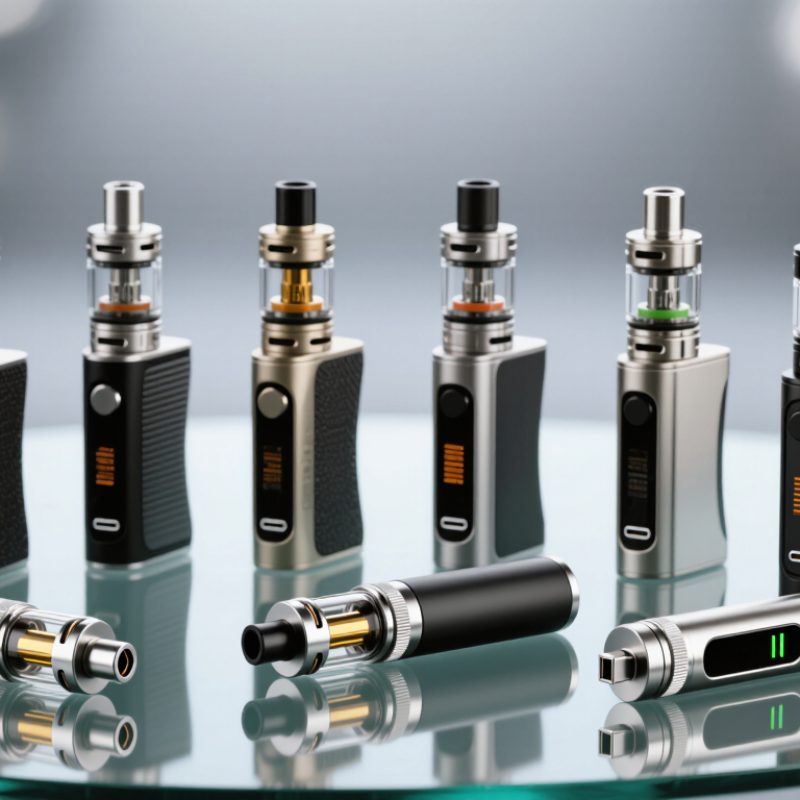
Vape devices made in China are commonly grouped by their liquid system, power design, and level of user adjustment. Some use sealed pods, while others accept refillable cartridges or tanks. Devices also differ in battery capacity, airflow, and heating controls. These categories help buyers compare products, but they do not guarantee quality. The labels can overlap. That matters.
Manufacturing usually involves separate stages for the battery, circuit board, heating element, housing, and liquid-contact parts. Components are assembled, then checked for fit, electrical function, and leakage. A careful inspection may include repeated button presses and checks for loose connections. Materials touching liquid need particular attention; poor seals can cause messy leaks. Reliable factories keep records of component batches and test results, rather than relying only on a final visual check.
Classification is useful, but it can hide meaningful differences between models. Two pod devices may look alike and perform differently under repeated use. Battery consistency, clean assembly, and stable airflow all affect reliability. Buyers should look for clear specifications and traceable quality checks, not just polished packaging. No process is flawless. Small defects can still slip through, so long-term use and feedback should inform later production improvements.
A fair comparison of ten Chinese vape devices should measure reliability, not packaging claims. Check batch-to-batch consistency, leakage after repeated use, stable output, and clear battery specifications. Ask whether tests cover temperature changes and drops, with published sample sizes and failure rates. Numbers matter. Grand View Research estimated the global e-cigarette and vape market at USD 28.17 billion in 2023. That market figure shows scale, not product quality; each device still needs independent evidence.
A useful scorecard can rate safety documentation, materials traceability, durability testing, and after-sales support. UL 8139 provides a recognized framework for evaluating electrical and battery systems in vaping devices. Look for test reports that identify the tested model and date, rather than broad factory certificates. Check charging-port fit, seam alignment, and whether instructions explain routine care. Small details count. A polished sample may not represent every production batch, so buyers should treat supplier claims as starting points, not conclusions.
Tips: Request a recent test report, confirm its model number matches the device, and compare reported failure rates across equal sample sizes. Keep the scoring transparent; a neat table can still hide weak evidence.
Use these criteria to compare devices consistently. The table describes checks and evidence rather than ranking or making unverified claims about specific products.
| Evaluation Criterion | What to Check | Useful Evidence or Test | Why It Matters |
|---|---|---|---|
| Battery safety | Cell specifications, protection circuitry, and safeguards against overcharge, over-discharge, and short circuits. | Review the battery documentation and applicable test reports; confirm that protection features are specified for the exact device configuration. | Battery faults can create overheating and fire risks. |
| Charging performance | Charging-port condition, charging behavior, temperature during charging, and clear charging instructions. | Repeat charging tests with the specified power source and check for abnormal heat, intermittent connections, or inconsistent charge completion. | Consistent charging supports dependable everyday use and helps reveal electrical or assembly issues. |
| Leak resistance | Seal condition, pod or tank fit, and liquid leakage during storage and normal use. | Inspect multiple samples after upright, sideways, and transport-style handling; record any visible leakage under the same test conditions. | Leaks can affect usability, damage the device, and expose users to e-liquid. |
| Heating-element consistency | Resistance consistency, heating stability, and variation between replacement pods or coils. | Measure a sample of units using suitable test equipment and compare readings with the stated specifications and permitted tolerances. | Large variations can lead to inconsistent operation and performance. |
| Airflow and draw consistency | Airflow stability, activation response, and differences among units of the same model. | Compare repeated draws across several samples using a consistent test setup; note missed activation or unexpected airflow changes. | Repeatable airflow and activation are practical indicators of consistent assembly and operation. |
| Materials and construction | Housing integrity, connector fit, finish quality, and material suitability for the intended use. | Check material declarations and relevant laboratory documentation; inspect samples for cracks, sharp edges, loose parts, or poor-fitting components. | Suitable materials and sound construction help reduce premature failure and quality defects. |
| Quality-control process | Documented incoming-material checks, in-process inspections, and final functional testing. | Review quality procedures, inspection records, defect handling, and sample-based production test results. | A repeatable quality system helps identify defects before products reach users. |
| Regulatory documentation | Whether the product and its components meet requirements applicable in the intended sales market. | Verify current, product-specific documents with the relevant authority or testing body; requirements differ by jurisdiction and product type. | Compliance is market-specific; a general certificate should not be treated as proof of approval everywhere. |
| Batch traceability | Clear lot or batch identification and the ability to link products to production and inspection records. | Check whether packaging or product labels carry identifiable batch information and whether records can be retrieved for that batch. | Traceability supports targeted investigations and recalls if a defect is discovered. |
| Instructions and after-sales support | Clear operating and safety instructions, troubleshooting guidance, and defined support or warranty terms. | Check the supplied documentation and verify that support channels, replacement policies, and warranty conditions are stated clearly for the relevant market. | Clear guidance helps users handle the device correctly and resolve faults responsibly. |
Note: This is a comparison framework, not a product-safety certification or a claim that any particular device has passed these checks. Vape products may contain nicotine, which is addictive; applicable age and sales restrictions vary by market.
China’s vape-device range includes compact pod systems built for easy carrying, with rounded edges and magnetic cartridge connections. Refillable pod designs offer more visible liquid-level checks, while fixed-coil pods simplify routine replacement. Replaceable-coil devices provide more service options, though users must match parts carefully. Small details matter.
Adjustable-airflow models use sliders or rotating rings to change the draw. Draw-activated devices remove a button, while button-operated designs offer a deliberate control point. Screen-equipped units display settings and battery status, but tiny text can be hard to read. Compact rechargeable devices prioritize a short body and a charging port placed away from the mouthpiece. Tank-style platforms may use seals and threaded connections to reduce seepage.
These profiles describe design approaches, not laboratory rankings. Reliability depends on consistent assembly, secure electrical contacts, clear instructions, and repeatable quality checks. A neat exterior proves little by itself. For a fair comparison, inspect cartridge fit, charging behavior, and whether replacement parts are easy to identify. Some designs also trade repairability for convenience. That trade-off is easy to overlook. Without independent test data, calling any device “reliable” should remain a cautious judgment.
A brand-free comparison framework for ten device profiles, scored across practical reliability considerations.
Scores use a 1–5 editorial checklist scale covering battery protection, charging, leak resistance, coil consistency, and build quality. They are illustrative assessments, not laboratory results or verified specifications for specific products.
A reliability review of the ten leading vape devices should look beyond appearance. A firm casing, even seams, and buttons that respond consistently can indicate careful assembly. Check how the mouthpiece, tank, and body fit together. Loose connections may cause leaks or intermittent operation. Small details matter.
Battery design deserves close attention. Look for clear charging indicators, stable connections, and built-in protection against overheating or overcharging. A charging port should sit flush, with no wobble after repeated use. Still, a sturdy port alone does not prove long-term durability. Manufacturer testing details and clear care instructions offer more useful evidence than polished product photos.
Consistent airflow and well-sealed joints can also support dependable performance. Inspecting units over time may reveal issues that a brief demonstration misses, such as residue around seals or fading display symbols. No design is flawless. Reliability also depends on proper maintenance and handling, so comparisons should note both device features and observed limitations. A dependable device should have accessible specifications, straightforward controls, and support for checking faults—not just claims of premium quality.
Reliability begins with evidence, not glossy finishes or a high puff count. The U.S. Fire Administration’s 2017 report recorded 195 e-cigarette fires and explosions in the United States from 2009 to 2016. That historical total does not describe every device, but it makes battery protection and charging design essential checks. Small details matter.
Ask for verifiable test documentation covering electrical safety, temperature control, leakage, and consistent output during repeated use. Relevant benchmarks include UL 8139 for vaping-device electrical systems and IEC 62133-2 for portable lithium batteries; requirements vary by product and market. A certificate alone proves little if its model number does not match the device in hand. Check the label, test date, laboratory identity, and batch information. Paperwork can fail.
Long-term performance requires more than a single factory test. Look for charge-cycle and aging results, seal-integrity checks, and documented defect rates. Ask how battery capacity and output change after repeated charging, and whether failures trigger corrective action. Missing data should lower confidence, not invite guesswork. Clear warnings and traceable support records also matter.
Refillable pods make liquid levels easier to check. Fixed-coil pods simplify replacement, while replaceable coils offer more service options.
Some models use sliders or rotating rings. Small changes can alter the draw.
Some activate with a draw; others use a button. Screens show settings and battery status, though tiny text can be hard to read.
Check whether cartridges sit securely and replacement parts are easy to identify. Loose connections may cause leaks or intermittent operation.
Look for clear charging indicators, stable contacts, and built-in protection. A firm charging port is useful, but it does not prove durability.
Even seams, responsive buttons, and snug-fitting parts can be useful clues. They are not proof.
No. A polished exterior reveals little about long-term performance. Repeated checks may uncover residue around seals or fading display symbols.
Clear specifications, care instructions, and repeated observations are more useful than broad claims. Without independent test data, any judgment should remain cautious.
This article examines how vape devices are classified and manufactured in China, then outlines the criteria used to compare ten notable device types. Rather than relying on popularity alone, the evaluation considers construction quality, consistency of output, battery performance, ease of use, and the availability of clear product information. The profiles illustrate how different designs serve different preferences while sharing common expectations for dependable operation.
A central question is what makes a vape device reliable: careful design, suitable materials, consistent manufacturing checks, and components that perform as intended over time. The article also explains how to assess safety information, relevant compliance documentation, and signs of long-term durability. By focusing on these practical factors, readers can make more informed comparisons and distinguish thoughtfully engineered devices from products whose quality or performance claims are difficult to verify.

Onics Vape