Top 10 Factors for Choosing Disposable vs Refillable Vapes?

Time:2026-11-22 Author:Ethan
0%

Choosing between disposable and refillable vapes is not just a choice between convenience and customization. The right fit can depend on daily use, upfront cost, maintenance, and how much waste you want to avoid. A disposable device may be ready to use straight from its packaging, while a refillable setup requires compatible e-liquid, regular cleaning, and attention to its battery and coil. Small details matter. A leaking pod or a dead battery can quickly change what seemed convenient.

This guide explores 10 practical factors to help readers understand how to choose between disposable and refillable vapes. It compares likely costs over time, portability, flavor options, upkeep, device lifespan, and waste, without assuming one option suits everyone. Cost estimates can vary with usage and local prices, so treat them as starting points rather than promises. That comparison is messier than it first appears. A refillable device may reduce packaging, but only when it is maintained and used for long enough; disposables may be simpler, but repeated purchases can add up. No option is perfect.

Product quality and safe handling also deserve attention. Choose products from reputable sources, follow the manufacturer’s instructions, and keep devices and e-liquids away from children and pets. Vaping products are not risk-free, and this overview is not medical advice. The goal is a clear, balanced framework—not a sales pitch—so readers can weigh practical trade-offs before deciding whether either format fits their needs.
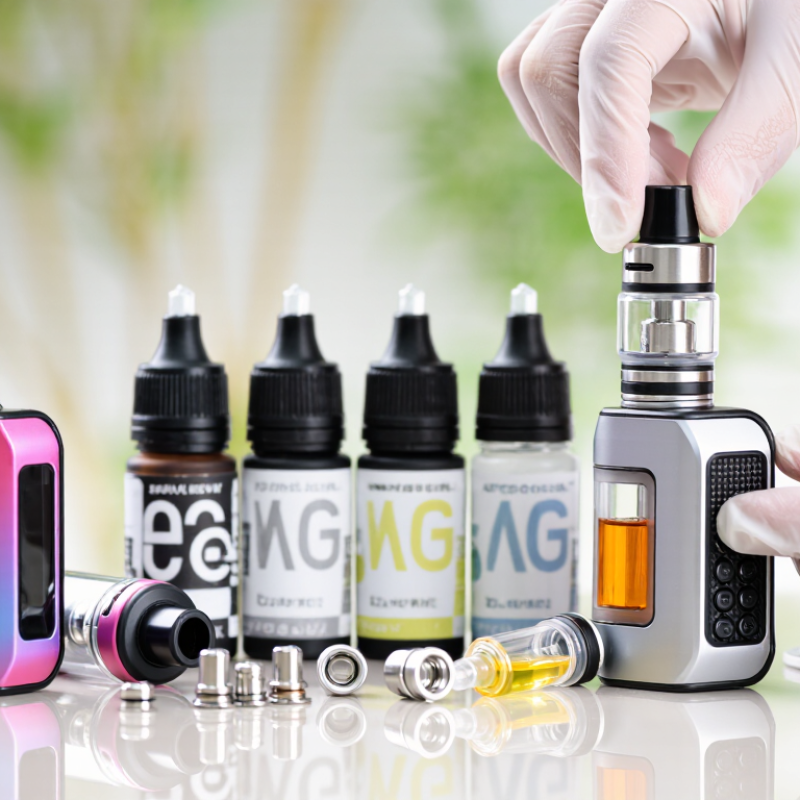
Top 10 Factors for Choosing Disposable vs Refillable Vapes?

What Disposable and Refillable Vapes Are

A disposable vape is generally a self-contained device with a prefilled liquid reservoir and built-in battery. It is designed for use until the liquid runs out or the battery stops working, then the whole device is discarded. Exact features vary, so check the product instructions rather than assuming every model works the same way. The difference is practical. A refillable vape has a pod or tank that users refill, and many models need charging and periodic coil or pod replacement. This means more upkeep, such as wiping spilled liquid from the device and checking that parts fit securely.

Tips: Read the instructions before filling or charging. Keep liquids and devices away from children and pets, and stop using a device that is leaking, damaged, or unusually hot. Don’t modify it. Small parts matter.

When comparing the two types, consider what regular handling involves, not only the initial setup. A refillable device may involve more steps and components; a disposable may seem simpler, but it still becomes electronic waste. It is easy to assume “simple” means “no maintenance.” That isn’t always true: even a sealed device should be stored and handled carefully. Check local disposal guidance for batteries and electronic products, since ordinary household bins may not be appropriate.

How Device Design Affects Ease of Use

Device design often decides whether daily use feels straightforward or fiddly. A disposable typically arrives assembled, with no liquid bottle, tank opening, or settings menu to manage. Fewer steps. A refillable device may offer adjustable airflow or power, but users must charge it, fill it carefully, and check for leaks. A small fill port can be awkward with cold fingers; a slippery body can be harder to grip than it looks. These details matter more than a long feature list.

The CDC’s 2024 National Youth Tobacco Survey reported that 55.6% of current student e-cigarette users used disposable devices, while 26.3% used prefilled or refillable pods and 9.7% used tanks.

This is use-pattern data, not proof that one design is easier, safer, or preferred by adults. Still, it shows how common simpler formats were in that surveyed group.

When comparing devices, inspect the mouthpiece, button placement, charging access, and how clearly the battery status is shown. I’d also consider what happens when something goes wrong: a refillable device may need troubleshooting, while a sealed one offers little repair access. Convenience has trade-offs. I’m not convinced that fewer steps always means a better fit; hand comfort and tolerance for maintenance vary widely.

How Upfront and Long-Term Costs Compare

Top 10 Factors for Choosing Disposable vs Refillable Vapes?

How Upfront and Long-Term Costs Compare

A disposable vape usually has a lower purchase price, so the cost feels clear at checkout. Refillable devices often require a larger initial spend for the device, charger, and sometimes replacement parts. The longer-term picture depends on how often someone uses the device and what compatible supplies cost locally. A low entry price can add up with frequent replacement. A refillable option can also cost more than expected if parts need replacing.

Tips: Compare costs over the same period, such as one month. Add the device price, replacement pods or coils, and e-liquid. Then compare that total with the number of disposables you would normally buy. Check current local prices; estimates vary. Small expenses matter.

A break-even estimate can help: divide the refillable setup’s extra upfront cost by its estimated savings per week. This is only a guide. Usage varies, and an unused device may never repay its initial cost. I may also be undercounting small replacement parts, which are easy to overlook. Consider convenience, too: refillable devices need regular cleaning and charging, while disposables are replaced when depleted. Follow the device instructions and use only compatible supplies.

How Battery Life, Maintenance, and Customization Differ

Battery life is less straightforward than a puff count suggests. On a disposable, the built-in battery is matched to a fixed amount of liquid. Cold weather and frequent draws can shorten its usable life. Some models recharge; others do not, so check the device instructions rather than assuming. With a refillable device, a rechargeable battery can last through many refills, though its capacity and age matter. Small detail, big difference.

Refillables need regular attention: clean contact points, inspect seals, and replace worn coils as directed. Spilled liquid on a counter is a useful warning; leaks can point to a loose connection, damaged seal, or overfilling. That upkeep takes time. Disposables require less routine care, yet their fixed airflow, power, and flavor options leave little room to adjust. Refillable systems may allow compatible coils, airflow, or power settings to be changed, but compatibility is not universal. Read the manual and use only specified components. Honestly, customization can become fiddly. It is easy to value extra control in theory, then find routine adjustments annoying.

How Safety, Waste, and Local Rules Shape the Choice

Safety starts with the battery, not the format. The U.S. Environmental Protection Agency warns that lithium-ion batteries can cause fires when damaged or discarded in household rubbish. Refillable devices may last longer, but only with careful charging, dry storage, and intact batteries. Keep e-liquid away from children and pets. Small details matter.

Waste is visible on the pavement. UK environmental group Material Focus estimated that five million disposable vapes were discarded weekly in 2023, roughly four each second. Refillable devices can reduce whole-device waste when used over time, though pods, coils, and packaging still need disposal. The trade-off is real, and not always tidy.

Local rules can change the practical choice. Some areas require batteries or electronic devices to go to designated collection points; others offer different options. Check municipal guidance before disposing of either type, and never assume a shop accepts used devices. A nearby collection bin helps. But availability varies, and that is easy to overlook.

FAQS

Why can a disposable device feel easier to use?

It usually arrives assembled, with no filling or settings to manage. Fewer steps. But a smooth, slippery body may still feel awkward.

What extra tasks come with a refillable device?

You may need to charge it, fill it carefully, check for leaks, and clean its contacts. That routine can become tiresome.

What should I check when comparing device designs?

Look at the mouthpiece, button placement, charging access, and battery indicator. Try to notice how the device fits your hand.

Does a puff count reliably show battery life?

No. Cold weather and frequent draws can shorten usable battery life. Puff counts are only a rough guide.

Are all disposable devices rechargeable?

No. Some can be recharged, while others cannot. Check the device instructions instead of assuming.

What might a leak indicate in a refillable device?

A loose connection, damaged seal, or overfilled reservoir may be involved. Liquid on the counter is worth investigating.

Can refillable devices be customized?

Some allow changes to airflow, power, or compatible coils. Parts are not universally interchangeable, so check the manual.

Is fewer maintenance always better?

Not necessarily. A sealed device offers less repair access, while a refillable one needs upkeep. I’m not sure one design fits everyone.

Conclusion

Choosing between disposable and refillable vapes depends on convenience, cost, upkeep, and personal preferences. Disposable devices are generally ready to use with little setup, while refillable devices require filling and occasional cleaning. Their designs can affect portability, handling, and how much attention they need during everyday use. Comparing the initial purchase price with the ongoing cost of replacement devices or supplies can also help clarify which option better fits a budget.

Battery life and maintenance are important considerations, as are opportunities to adjust settings or choose different refill options. Safety should remain a priority: follow the device instructions, use compatible components, and keep devices and liquids away from children and pets. Environmental impact may differ because disposables create more frequent device waste, while refillable products still require responsible handling of batteries and used materials. Before deciding how to choose between disposable and refillable vapes, consider local rules and disposal guidance, along with your comfort level, budget, and willingness to maintain a device.

Ethan

Ethan

Ethan is a seasoned marketing professional with a deep expertise in our company's innovative product line. With a passion for sharing knowledge and insights, he takes the lead in regularly updating our corporate blog, where he explores industry trends, product features, and effective marketing......