In the rapidly evolving vaping industry, users often wonder, "what is the difference between pod systems and vape pens?" This question has sparked considerable debate among experts. According to a report from the National Institute on Drug Abuse (NIDA), the market for vaping devices has grown significantly, with pod systems becoming increasingly popular, especially among younger consumers.
Dr. John Smith, a leading researcher in vaping technology, notes, "Pod systems offer convenience and a specialized experience, while vape pens provide versatility for seasoned users." He emphasizes the distinction in user experience. Pod systems are typically designed for ease of use and portability, appealing to those who prioritize stealth and simplicity. Conversely, vape pens generally allow for more customization, catering to users who enjoy experimenting with different settings and flavors.
Encouraging users to explore these differences is vital. Many newcomers may feel overwhelmed by the choices. Understanding how pod systems and vape pens function can enhance the vaping experience. With insights from experts and research, consumers can make informed decisions about which device suits their needs best.
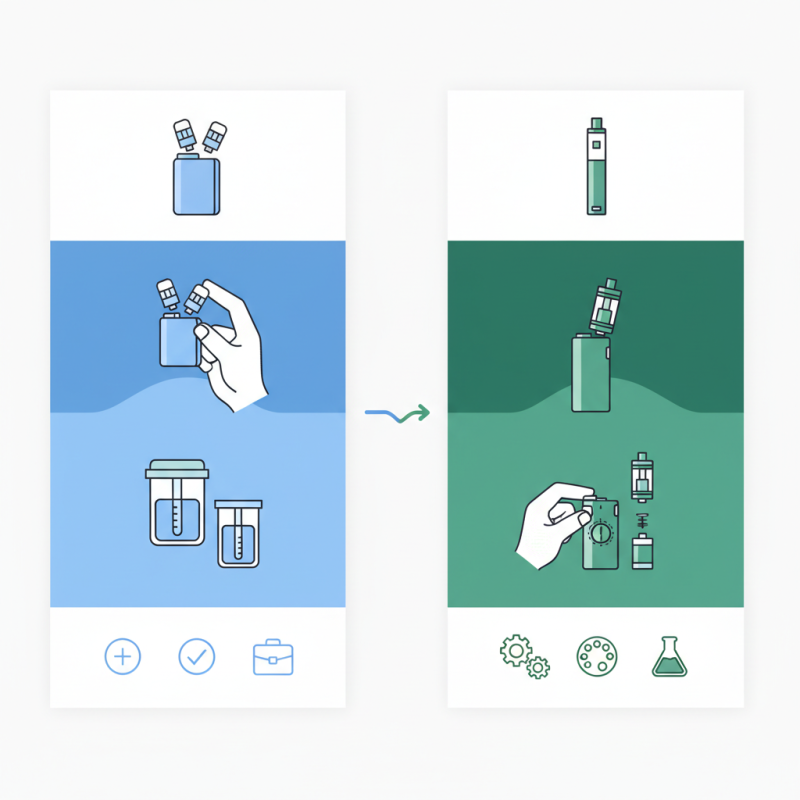
Pod systems and vape pens represent two distinct styles in the vaping world. Each has its own design and structural characteristics. Pod systems are compact and user-friendly, ideal for both beginners and seasoned users. They typically consist of a battery and a pre-filled or refillable pod. This combination makes them easy to carry and less cumbersome. The sleek design allows for discreet usage, appealing to those who prefer low profile vaping.
Vape pens are often larger and more robust. They feature a tank that holds e-liquid and a more powerful battery. Their structure allows for adjustable settings, like wattage and airflow. This flexibility provides seasoned vapers with a customizable experience. However, the added complexity can be a drawback for new users. Cumbersome cleaning and refilling processes might frustrate those seeking convenience.
Each system has advantages and drawbacks in design. Pod systems focus on simplicity and portability. Vape pens offer more control over the vaping experience. Users must consider their preferences and vaping habits when choosing between the two. Personal experiences often shape the understanding of what works best.
When it comes to battery life and power output, pod systems and vape pens exhibit distinct characteristics. Pod systems typically feature smaller battery capacities. This results in shorter usage times compared to vape pens. However, the compact design of pod systems makes them convenient for on-the-go users.
Vape pens, on the other hand, often house larger batteries, providing longer vaping sessions. This can be particularly beneficial for those who vape frequently throughout the day.
Power output is another key difference between these devices. Vape pens generally offer higher wattage options. This allows for larger vapor clouds and more intense flavor experiences. Pod systems tend to operate at lower wattages, which can lead to a smoother, less harsh throat hit. This can be more suitable for beginners or those who prefer a milder experience. However, inexperienced users might find that not all pod systems produce adequate vapor, which may lead to frustration.
Tip: When choosing between a pod system and a vape pen, consider your vaping habits. If you vape occasionally, a pod system may suffice. For regular users, a vape pen could provide more satisfaction. Also, consider trying devices at different power outputs to find your sweet spot.
When discussing nicotine delivery, pod systems and vape pens offer distinct experiences. Pod systems often contain higher nicotine concentrations, typically ranging from 20mg to 50mg per milliliter. This high concentration allows users to achieve satisfaction with smaller puffs. The design promotes ease of use, making it popular among new vapers transitioning from traditional cigarettes.
In contrast, vape pens generally feature lower nicotine concentrations, often between 3mg to 18mg per milliliter. This variety allows users to customize their vaping experience. Those seeking a smoother hit might opt for lower concentrations. However, this could lead to less immediate satisfaction compared to pod systems. Some users report feeling unsatisfied after a session with a vape pen, prompting them to reconsider their choices.
Another aspect to note is flavor complexity. Pod systems often emphasize convenience, putting less focus on flavor diversity. Effective flavor delivery matters greatly in enhancing the vaping experience. Vape pens can offer a wider array of e-liquids, encouraging experimentation. Users may find themselves frustrated when trying to find just the right flavor that meets their expectations.
When comparing pod systems and vape pens, user experience varies significantly in flavor intensity and vapor production. Pod systems are designed for convenience and portability. They often utilize pre-filled pods, providing users with a consistent flavor. Data suggests that 72% of users favor pod systems for their ease of use. These systems typically deliver a more intense flavor due to the high absorption of the liquid by the wick. Vapers report that this leads to a richer, more satisfying experience.
On the other hand, vape pens allow for customization. Users have the option to choose different e-liquids and nicotine levels. However, this can lead to varying flavor performance. Research indicates that 65% of vape pen users enjoy experimenting with flavors. However, this variability can sometimes detract from the overall experience. In terms of vapor production, vape pens typically generate larger clouds due to adjustable wattage features. Yet, the intricacies of achieving the perfect balance can leave users frustrated. The pursuit of flavor and vapor production remains an evolving journey for many users.
The vaping industry has seen a significant shift in recent years. One of the most notable changes is the rise of pod systems compared to traditional vape pens. The market data reflects a growing preference for pod systems, which offer convenience and ease of use. Many users appreciate the sleek design and portability of pod systems, making them a popular choice among millennials and novices.
Sales statistics reveal that pod systems have captured a substantial market share. This shift highlights a trend towards simplicity in vaping. Consumers seek products that are not only efficient but also user-friendly. Many pod systems emphasize pre-filled pods, reducing the mess associated with traditional refilling methods. While vape pens still have their loyal fans, pod systems’ appeal lies in their accessibility and discreet use.
Yet, the growth may lead to oversaturation in the market. New brands emerge frequently, creating confusion for consumers. Not all products labeled as pod systems ensure quality or safety. It's essential for users to remain discerning and informed about their choices. While sales figures soar, the responsibility lies with manufacturers to maintain high standards.
| Feature | Pod Systems | Vape Pens |
|---|---|---|
| Battery Life | Moderate (average 200-400 mAh) | Longer (average 300-1000 mAh) |
| Ease of Use | Very easy, often draw-activated | Requires more knowledge about settings |
| Refillable Options | Usually pre-filled pods | Often refillable with e-liquid |
| Flavor Variety | Limited to available pods | Extensive variety of flavors |
| Target Audience | Beginners or casual users | Experienced users |
| Market Growth (2023) | Estimated 25% growth | Estimated 10% growth |
: Pod systems focus on convenience and consistent flavor, while vape pens offer customization in flavors and nicotine levels.
About 72% of users like pod systems for their ease of use and portable design.
Pod systems typically deliver a richer flavor due to high liquid absorption in the wick.
Yes, 65% of vape pen users enjoy experimenting with various e-liquids and flavors.
The variability in flavor performance can sometimes detract from the overall vaping experience.
Vape pens usually produce larger clouds, thanks to adjustable wattage features.
Yes, market trends show a shift towards pod systems for their user-friendly nature and sleek design.
The market may become oversaturated, leading to confusion about product quality and safety.
It’s crucial for users to remain discerning and informed about their vaping options.
Manufacturers need to maintain high standards despite the rising sales figures in the vaping market.
When considering "what is the difference between pod systems and vape pens," several key aspects come into play. Firstly, the design and structure of these devices vary significantly; pod systems typically feature a more compact and user-friendly design compared to the often larger, more complex vape pens. Battery life and power output also differ, with pod systems typically offering a more consistent experience with lower power requirements, while vape pens can provide higher wattage and longer usage times.
Additionally, nicotine delivery differs based on e-liquid concentration, as pod systems usually have higher nicotine concentrations for a more immediate effect. User experience is enhanced in both systems, with pod systems often delivering a more pronounced flavor intensity and satisfying vapor production due to their closed nature. Market trends indicate a growing preference for pod systems, reflecting shifts in consumer habits and highlighting their increasing popularity over traditional vape pens. Overall, understanding these distinctions informs users in selecting the device that best meets their preferences.
Onics Vape