In recent years, the popularity of rechargeable vapes has soared. A recent report estimates that the global vaping market will exceed $60 billion by 2027. With this growth, understanding how to charge a rechargeable vape properly is essential. Improper charging can lead to diminished performance, shorter battery life, or even safety hazards.
Many users overlook simple steps, assuming all devices charge the same way. However, different models may have specific requirements. According to industry experts, correct charging practices can extend battery life by up to 30%. Users must familiarize themselves with their vapes' charging protocols to avoid potential pitfalls. Issues like overheating during charging can lead to battery failure, which is a common concern.
Maintaining a healthy charge cycle is crucial. Regularly overcharging or using incorrect chargers can complicate battery health. Awareness of these factors contributes to a better vaping experience. Educating oneself on how to charge a rechargeable vape properly will lead to more reliable performance and enjoyment.
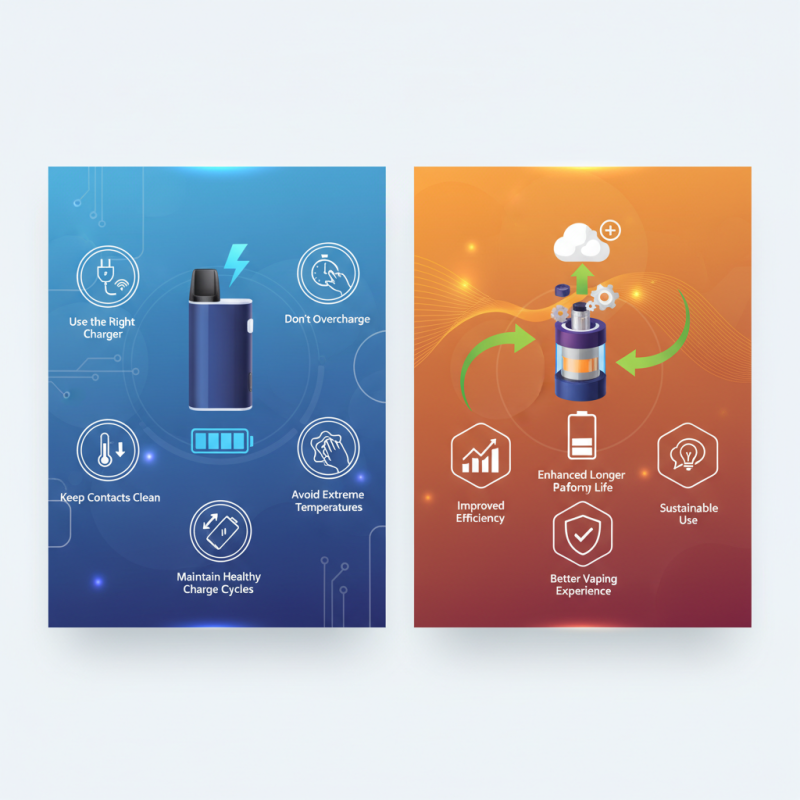
Understanding the types of rechargeable vape batteries is essential for optimal performance. There are primarily three types: lithium-ion, lithium-polymer, and nickel-metal hydride. Each type has unique specifications, affecting charging times and lifespan. For instance, lithium-ion batteries offer high capacity and longer life, but they require proper charging to avoid overheating.
It's also crucial to understand the importance of the charger you use. Not all chargers fit all battery types. Using an incompatible charger can lead to damage or reduced battery efficiency. Overcharging is another common problem. Some users mistakenly leave their devices plugged in overnight, which can diminish battery performance over time. Always monitor your device while charging.
Vape batteries can degrade over time. Users often overlook signs of wear, such as reduced vape quality or longer charging times. Reflect on your charging habits. Are you allowing your battery to fully discharge before recharging? This practice can prolong your battery's life. By being mindful and improving your charging habits, you can ensure a better vaping experience.
| Tip Number | Tip | Explanation |
|---|---|---|
| 1 | Use the Right Charger | Always use the charger recommended by the manufacturer for optimal performance. |
| 2 | Charge at the Right Voltage | Ensure the charging voltage matches your device's requirements to prevent damage. |
| 3 | Avoid Overcharging | Disconnect the charger once the battery is full to prevent capacity loss. |
| 4 | Charge in a Safe Area | Charge your vape in a cool, dry location to prevent overheating. |
| 5 | Avoid Frequent Full Discharges | Try to recharge before the battery completely runs out to extend lifespan. |
| 6 | Monitor Charging Time | Keep track of how long you charge your vape for better maintenance. |
| 7 | Check for Damage | Inspect the charging port and cable regularly for wear and tear. |
| 8 | Avoid using while Charging | Refrain from vaping while the device is plugged in to prevent overheating. |
| 9 | Utilize Battery Management System | If available, use devices with protective features to optimize battery safety. |
| 10 | Know Your Battery Type | Understand the type of battery your device uses for proper care. |
: The three main types are lithium-ion, lithium-polymer, and nickel-metal hydride. Each has unique characteristics.
The charger must match the battery type. An incompatible charger can damage the battery and reduce its efficiency.
Overcharging can harm battery performance. It’s best to monitor your device while it charges to avoid this issue.
Signs include reduced vape quality and longer charging times. Be aware of these changes to address problems early.
Yes. Letting it fully discharge before recharging can extend battery life and improve overall performance.
Always check your device's manual for specific charger requirements. This helps prevent damage from mismatched chargers.
Not always. They may lead to overcharging or inadequate charging. Specific chargers enhance safety and battery life.
Look for voltage and amperage specs that match your device. Invest in a quality charger to avoid future issues.
Regularly inspect it for damages. This can prevent chargers from malfunctioning and save you from future frustration.
Definitely. Mindful charging can ensure better battery health and enhance your overall vaping experience. Reflect on your habits.
When learning how to charge a rechargeable vape properly, it's essential to first understand the different types of rechargeable vape batteries available. Selecting the right charger for your specific vape device can significantly impact battery performance and lifespan. Proper connection and disconnection of the charger are crucial to avoid damage; ensure that you follow the correct steps when plugging in or unplugging your device.
Additionally, knowing the optimal charging duration is vital for enhancing the battery's longevity and maintaining its performance. Look for signs that indicate a fully charged battery, such as indicator lights, and incorporate regular maintenance practices to keep your vape in top condition. By following these essential tips, you can ensure your rechargeable vape remains functional and efficient for a longer time.

 Onics Vape