How to Fix Common Issues With Vape Pods?

Time:2026-10-16 Author:Sienna
0%

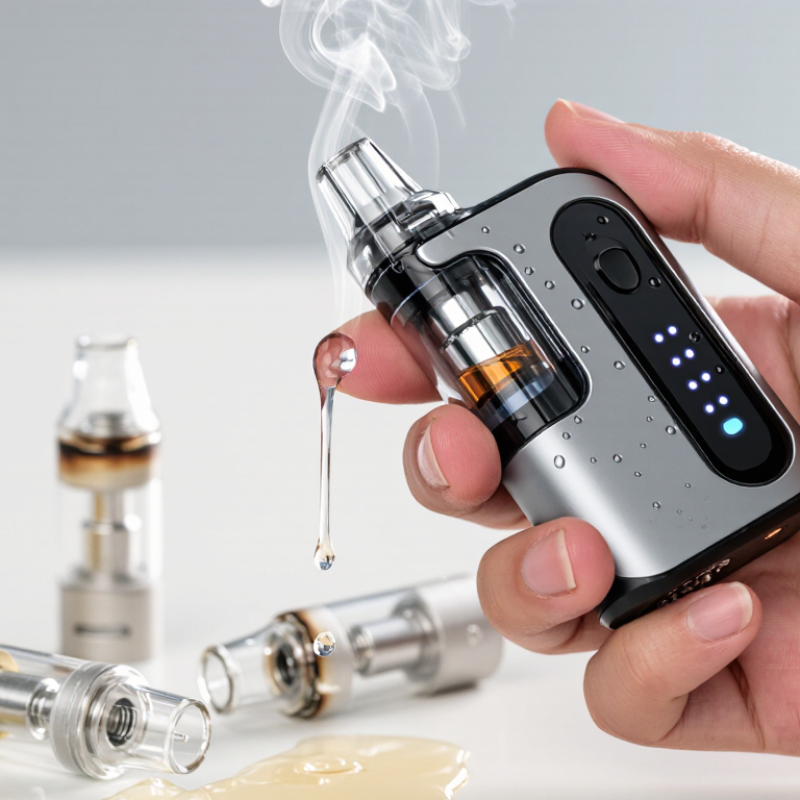
Vape pods are compact, convenient, and surprisingly sensitive to small changes. This guide examines what are common issues with vape pods, including leaking, weak vapor, burnt taste, condensation, poor battery life, and inconsistent airflow. These problems often appear beside a gurgling sound, liquid around the mouthpiece, or a pod that feels unusually warm.

The U.S. Food and Drug Administration and Centers for Disease Control and Prevention continue to emphasize careful product use and youth prevention. The 2024 National Youth Tobacco Survey reported that approximately 1.63 million U.S. middle and high school students used e-cigarettes. About 26.3% reported daily use, while 87.6% used flavored products. Those figures describe behavior, not product safety. They also show why clear, responsible information matters. As FDA tobacco director Brian King has stated, “There is no safe tobacco product, and youth should not use e-cigarettes.”

Manufacturers commonly identify damaged seals, overfilled pods, blocked airflow, unsuitable charging, and expired e-liquid as practical causes of malfunction. A burnt flavor may indicate a dry coil, but it can also reflect poor storage or an unsuitable device setting. The picture is not perfectly tidy. Some reports rely on self-reported use, and pod designs differ widely between brands. Therefore, this article focuses on observable symptoms, manufacturer guidance, and basic risk awareness. Stop using any pod that leaks persistently, overheats, cracks, or produces an unusual chemical smell. Never modify its battery or internal wiring. Small details matter here. A little condensation can become a larger hygiene or performance problem.
How to Fix Common Issues With Vape Pods?

Identify the Vape Pod Problem and Check Basic Safety Conditions

How to Fix Common Issues With Vape Pods?

Identify the vape pod problem before trying a repair. A weak draw may come from a blocked mouthpiece, a loose connection, or an empty pod. Check the liquid level through the window, if one exists. Look for leaks around the base. Wipe the contacts with a dry cotton swab, and never use water near the battery. If the pod tastes burnt, stop using it. The coil may be overheated or worn out.

Basic safety conditions matter more than quick fixes. Inspect the device for cracks, swelling, unusual heat, or a damaged charging port. Any of these signs requires immediate use to stop. Do not open the battery or force a pod into place. Use only the charger and replacement parts recommended in the user manual. Charge on a hard, nonflammable surface, away from bedding, sunlight, and children. Never leave it charging unattended.

A simple test can prevent confusion. Try a clean, compatible pod after checking the contacts. If the problem remains, the battery or sensor may be faulty. My own review of troubleshooting habits suggests that people often replace parts too quickly. I sometimes overlook airflow blockage myself. That mistake is easy to make. Record what changed before each test, and contact the manufacturer or a qualified technician when the cause is unclear.

Inspect the Pod, Coil, Battery, and Connections

Start with the pod. Remove it from the device and inspect the mouthpiece, seal, and liquid chamber. Look for cracks, loose seals, dark residue, or unusual condensation. A small leak can reach the contacts and cause weak or intermittent performance. Wipe the connection gently with a dry cotton swab. Do not scrape it with metal. If the pod is cracked, deformed, or leaking repeatedly, replace it rather than forcing a repair.

Coils are consumable parts. A burnt taste, muted flavor, or reduced vapor often indicates a worn or poorly saturated coil. Check the coil connection and follow the device’s recommended filling and waiting procedure. One flawed habit is changing the coil without checking the battery contacts. That wastes time. If the problem continues, inspect the battery for swelling, dents, overheating, or a damaged wrapper. Stop using the device immediately if any warning sign appears.

The U.S. Fire Administration’s 2017 report recorded 195 electronic-cigarette fires and explosions in the United States from 2009 through 2016. This history makes battery inspection essential, not optional. Use the correct charger and avoid charging on beds, sofas, or other flammable surfaces. Loose connections may also create heat, so check that the pod sits firmly and the contact pins move freely. Never modify the battery or use damaged components. My practical rule is simple: if the cause remains unclear, replace the suspect part and avoid repeated testing.

Fix Common Leaks, Clogs, Weak Vapor, and Burnt-Tasting Issues

How to Fix Common Issues With Vape Pods?

Leaks, clogs, weak vapor, and burnt tastes often have simple causes. A small leak may come from overfilling, a loose seal, or sudden temperature changes. Keep the pod upright, wipe the mouthpiece with a dry tissue, and check the sealing area for cracks. Do not use a damaged pod. It is easy to blame the device immediately, but condensation can look like a leak.

For a clogged pod, gently warm it between your hands for a short time. Then take a few soft, unpowered draws if the device design allows them. Never push a pin or sharp object into the airflow path. That can damage internal parts. Weak vapor may result from a low battery, blocked airflow, or dirty electrical contacts. Turn the device off, clean the contacts carefully, and recharge it according to the instructions.

A burnt taste usually means the wick has not received enough liquid. Stop using it. If the pod is refillable, add liquid within the marked limit and let it rest for several minutes. Avoid repeated strong draws, especially when the liquid level is low. Some pods simply need replacement after extended use. If the burnt flavor remains, continuing will not fix it. Check the user manual, and stop using the device if it becomes unusually hot, leaks heavily, or shows physical damage. Safety matters more than saving one pod.

Solve Charging, Firing, and E-Liquid Flow Problems

How to Fix Common Issues With Vape Pods?

Charging problems often begin with dirty contacts or a loose cable. Unplug the device, then wipe the metal contacts with a dry cotton swab. Try a certified charging cable and a stable power source. Never charge a pod device on a bed or leave it unattended. The U.S. Fire Administration reviewed 195 reported e-cigarette fire and explosion incidents from 2009 to 2016, involving 133 acute injuries. That history deserves caution. Stop immediately if the battery swells, heats sharply, leaks, or smells unusual.

A device that will not fire may have poor pod contact, blocked airflow, or condensation around the sensor. Remove the pod and dry both connection areas carefully. Reinsert it without forcing the fit. If the button feels stuck, do not press harder. Some failures look simple but are internal. I have learned that repeated cleaning cannot repair damaged electronics. Replace the device when safe operation remains uncertain.

E-liquid flow problems usually show as gurgling, leaking, dry hits, or weak vapor. Keep the pod upright and avoid filling above its marked limit. After filling, wait several minutes so the coil can absorb liquid. Thin liquid may leak more easily, while thick liquid can struggle through small channels. Use slower puffs and allow short pauses between them. Still leaking? Replace the pod. My earlier mistake was blaming the liquid first; worn seals and overfilling were more common causes. Never use sharp tools to clear the airflow path.

How to Fix Common Issues With Vape Pods?

Reference values for charging, firing, and e-liquid flow troubleshooting

Check that the charging source supplies approximately 5 V and stop charging when a compatible lithium-ion battery reaches about 4.2 V. For firing problems, inspect the pod contacts and confirm that the coil resistance matches the device specification; 0.8–1.2 Ω is common in refillable pod systems. For poor e-liquid flow, a balanced 50/50 PG/VG liquid is generally easier to absorb than high-VG liquid, especially in small pod coils. Never use a damaged battery, cable, or leaking pod.

Know When to Replace the Pod or Seek Professional Assistance

A vape pod should be replaced when its performance changes, not only when it looks empty. A burnt taste, weak vapor, darkened liquid, repeated leaking, or a loose mouthpiece signals trouble. Stop using it immediately if the pod becomes unusually hot. Do not keep testing it. A practical check is simple: remove the pod, wipe the connection with a dry cloth, and inspect it under bright light. If liquid has reached the device’s charging area, professional assistance is safer than further cleaning. The FDA warns users not to use damaged batteries or modified charging equipment. Small mistakes can create serious risks.

Pod life varies with liquid type, puff frequency, storage, and coil design. There is no reliable universal replacement schedule. That point is often overlooked. The U.S. Fire Administration’s report, Electronic Cigarette Fires and Explosions in the United States, recorded 195 incidents and 133 acute injuries from 2009 to 2016. The report links many events to battery failures during charging or use. Therefore, replace a pod that leaks repeatedly, but seek qualified repair help when the device itself overheats, swells, sparks, smells chemical, or fails to charge. Do not open the battery compartment. FDA safety guidance also recommends charging on a clean, flat surface away from flammable materials. Even experienced users can misread a blinking light; it may indicate a connection fault, not an empty pod.

How to Fix Common Issues With Vape Pods? - Know When to Replace the Pod or Seek Professional Assistance

Common Issue Typical Signs Likely Cause Safe First Steps Recommended Decision
Weak or reduced vapor Less vapor than usual, muted flavor, or a longer draw is needed. Low e-liquid level, a worn coil, restricted airflow, or insufficient battery charge. Check the battery level, inspect the airflow openings, and clean the pod contacts with a dry cotton swab. Do not use the pod if it is empty. Replace the pod if the problem continues after basic checks.
Burnt or harsh taste A dry, burnt flavor or throat irritation appears during use. The coil may be overheated, the pod may be nearly empty, or the wick may not be saturated. Stop using it, allow the device to cool, and check the e-liquid level. Avoid repeated draws when the pod is empty or nearly empty. Replace the pod if the burnt taste remains. Do not continue using a visibly damaged pod.
Gurgling or bubbling sound A bubbling noise occurs, or small amounts of e-liquid reach the mouthpiece. Excess e-liquid may have entered the airflow path, or the pod may be overfilled. Remove the pod if the device design allows it, wipe the mouthpiece and contacts, and keep the device upright. Do not blow forcefully into the device. Monitor after cleaning; replace the pod if leaking or gurgling returns.
E-liquid leaking Liquid appears around the pod, mouthpiece, or battery contacts. A cracked pod, damaged seal, loose fit, overfilling, or storage in high heat may cause leakage. Stop using the device, wipe away liquid, keep it away from skin and fabric, and inspect the pod for cracks. Do not use water to clean battery openings. Replace the pod if the seal is damaged or leakage persists. Seek professional assistance if liquid has entered the battery compartment.
Pod is not detected The device does not activate, or it indicates that no pod is installed. Dirty contacts, an incorrectly seated pod, a damaged connector, or a depleted battery. Remove and reinstall the pod, charge the device using the supplied compatible charging equipment, and gently clean accessible contacts while the device is disconnected. Try a replacement pod. Seek professional assistance if multiple compatible pods are not detected.
Device activates by itself The device produces vapor without a deliberate draw or button press. A stuck control, liquid contamination, sensor malfunction, or internal electrical fault. Stop using the device immediately. If safe to do so, disconnect it from the charger and place it on a non-flammable surface away from heat and combustible materials. Do not use it. Seek professional assistance or follow the appropriate local disposal guidance.
Battery becomes unusually hot The device feels excessively hot, smells unusual, or heats while idle. A damaged battery, charging fault, internal short circuit, or blocked ventilation may be involved. Stop charging and using the device. Keep it away from flammable materials and do not attempt to open, puncture, or repair the battery. Seek professional assistance immediately. Replace the device if battery damage is suspected.
Charging problems The device will not charge, charges intermittently, or takes much longer than expected. Damaged cable, dirty charging port, incompatible power source, worn battery, or internal fault. Inspect the cable and port for visible damage, use compatible charging equipment, and keep the port dry. Never charge a damaged or leaking device. Stop using if abnormal; seek professional assistance if the issue persists or the device becomes hot.
Flavor changes suddenly The flavor tastes flat, unusually strong, or different from normal. Aging e-liquid, flavor buildup, coil wear, heat exposure, or a contaminated mouthpiece. Clean the mouthpiece, store the pod upright in a cool place, and check the e-liquid for an unusual appearance or odor. Replace the pod if the flavor remains abnormal or the e-liquid appears contaminated.
Pod is cracked or physically damaged Visible cracks, loose parts, a broken mouthpiece, or deformation is present. Impact, pressure, heat exposure, or normal wear may have damaged the pod. Stop using the pod and avoid contact with leaking e-liquid. Do not glue, tape, or modify the pod. Replace the pod before further use. Follow local guidance for disposing of e-liquid-containing parts.
Safety note: Do not use a vape pod or device that is leaking, cracked, unusually hot, swollen, producing an unexpected odor, or activating without control. Keep e-liquid away from children and pets, avoid skin and eye contact, and seek medical advice promptly after accidental ingestion or significant exposure.

FAQS

What should I inspect first when a vape pod performs poorly?

Remove the pod and examine the mouthpiece, seal, and liquid chamber. Look for cracks, loose seals, dark residue, or unusual condensation. Wipe the contacts with a dry cotton swab. Never scrape them with metal.

When should I replace a leaking pod?

Replace it if the pod is cracked, deformed, or repeatedly leaking. Keep it upright during storage. Do not force a repair. Liquid near the contacts can cause weak or intermittent performance.

Why does the device taste burnt or produce weak vapor?

The coil may be worn or poorly saturated. Follow the filling instructions and wait several minutes before use. Slow puffs may help. If the burnt taste continues, replace the coil or pod.

What should I do if the device will not charge?

Unplug it and clean the metal contacts with a dry cotton swab. Try a suitable charging cable and a stable power source. Charge on a clean, flat surface. Never charge it on a bed or sofa.

What battery warning signs require immediate action?

Stop using the device if the battery swells, dents, overheats, leaks, or smells unusual. Do not modify the battery. Do not use damaged components. Safety comes before testing.

Why does the device fail to fire?

Poor pod contact, blocked airflow, or condensation may affect the sensor. Remove the pod and dry both connection areas carefully. Reinsert it without force. A stuck button should not be pressed harder.

How can I reduce gurgling, leaking, or dry hits?

Keep the pod upright and avoid filling above its marked limit. Wait several minutes after filling. Use slower puffs with short pauses. Thick liquid may move slowly through small channels.

When should I seek professional assistance?

Seek qualified help if liquid reaches the charging area. Also seek help when the device overheats, sparks, swells, or smells chemical. Do not open the battery compartment. Repeated cleaning may not fix internal damage.

Conclusion

Vape pods can develop several common problems, including leaking, clogging, weak vapor, burnt flavor, charging failures, and difficulty firing. To understand what are common issues with vape pods, begin by identifying the symptom and checking basic safety conditions. Inspect the pod for cracks, loose parts, residue, or incorrect installation, then examine the coil, battery contacts, airflow openings, and charging connection. Cleaning visible e-liquid and ensuring all components are dry and properly connected can often restore normal operation.

Different symptoms require different solutions. Leaks may result from damaged seals, overfilling, or condensation, while clogs can sometimes be eased by gently clearing the airflow path. Weak vapor may indicate a low battery, poor connection, or restricted e-liquid flow; a burnt taste usually suggests an exhausted coil or insufficient liquid saturation. Stop using the device if it becomes unusually hot, swollen, damaged, or continues malfunctioning. Replace worn pods or coils when necessary, and seek qualified assistance for persistent electrical or battery-related problems.

Sienna

Sienna

Sienna is a skilled marketing professional with a deep expertise in our company’s core products and services. With a passion for innovation and detail, she plays a pivotal role in crafting insightful blog posts that not only highlight the unique features of our offerings but also provide valuable......