Maintaining a vape device safely requires more than wiping its exterior. It involves regular inspection, careful charging, and attention to small changes. This guide explains how to maintain a vape device using practical, manufacturer-aligned habits for 2026.
Start with the device’s manual, because designs and safety features differ. Check the casing, mouthpiece, tank, seals, and charging port before each use. Look for cracks, unusual heat, leaks, loose parts, or damaged cables. Stop using the device when something seems wrong. Small warning signs matter.
Clean removable parts with suitable materials and let them dry completely before reassembly. Keep e-liquid away from children, pets, fabrics, and electrical contacts. Use only the recommended charger and power source. Never modify the battery, bypass safety features, or charge the device on soft surfaces. Store it away from heat and direct sunlight. Simple habits help.
Battery care deserves special attention. A swollen, dented, leaking, or overheating battery should not be reused. Follow local guidance for safe battery disposal. Do not place damaged batteries in household waste. No checklist is perfect. Some cleaning advice may not fit every model, and over-cleaning can damage seals. Recheck the manufacturer’s instructions whenever parts change. A careful routine protects the device, reduces preventable faults, and supports safer everyday handling.
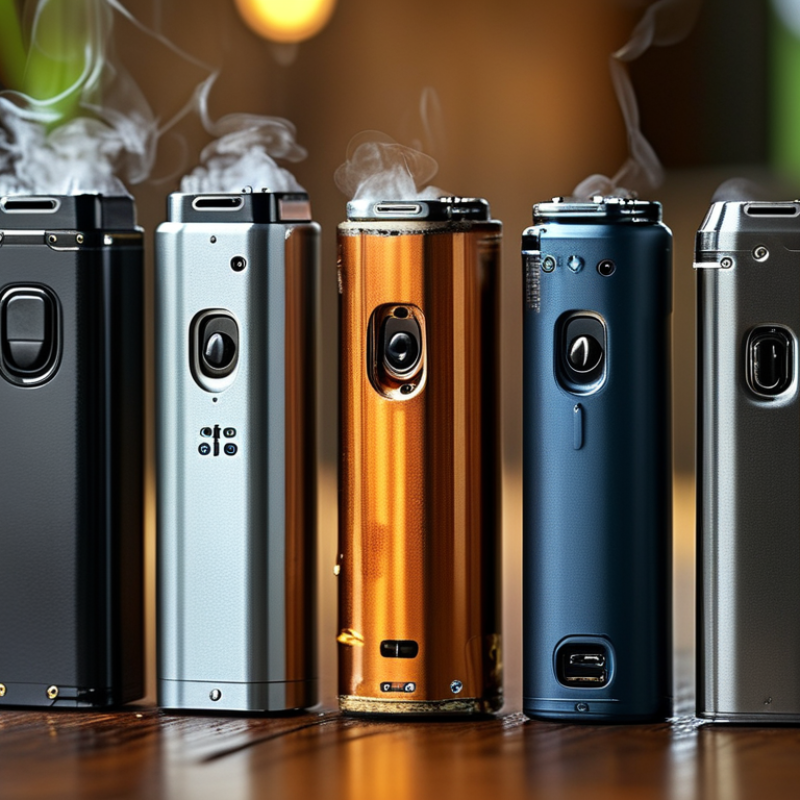
In 2026, safe vape maintenance begins with understanding each component. The battery supplies power, while the charging port controls energy transfer. A pod or tank holds liquid, and the coil converts it into aerosol. Seals prevent leaks around these parts. Small damage matters.
The U.S. Fire Administration recorded 195 electronic-cigarette fire and explosion incidents from 2009 to 2016, including 133 injuries. Its report linked many events to battery failures during charging, storage, or transport. Thermal runaway can produce rapid heat, smoke, and pressure. Never use a swollen, dented, wet, or unusually hot battery. Stop immediately.
Inspect the device under bright light. Check the charging port for lint, liquid, or bent contacts. Clean external surfaces with a dry cloth, not running water. Replace torn seals and loose pods instead of forcing them into place. Use only the charger and battery configuration recommended by the manufacturer. Safety testing guidance from UL 8139 emphasizes protection against overheating, overcharging, and short circuits.
Keep the device on a hard, nonflammable surface while charging. Avoid beds, cars, and direct sunlight. Do not charge overnight. I still find this easy to forget. That is the weak point. If the device hisses, smells sharply, leaks repeatedly, or heats without use, disconnect it only when safe and place it away from combustible materials. Disposal should follow local battery-recycling guidance, because damaged cells can remain hazardous.
Before each use, inspect the vape device under bright light. Check the battery housing, charging port, mouthpiece, and tank or pod. Look for dents, swelling, cracks, loose parts, or unusual heat. A burnt smell matters. Stop using the device immediately if you notice it.
The U.S. Fire Administration documented 195 electronic-cigarette fire and explosion incidents from 2009 to 2016, involving 133 injuries. Its analysis linked many events to lithium-ion battery failures during use or charging. These figures are historical, not a prediction for every device. However, they show why a quick inspection deserves attention. Never use a damaged battery, a torn wrapper, or a loose connection. Keep metal objects away from exposed battery contacts. Small details can become serious.
I also check for leaking liquid around the airflow openings and remove dust from the charging port with a dry, soft brush. I do not scrape inside the port or use water. The Consumer Product Safety Commission advises treating damaged lithium-ion batteries as potential fire hazards and following the device maker’s charging instructions. That advice is practical, though I sometimes inspect too quickly. A better habit is to pause, rotate the device, and check every side before use. If the device becomes unusually hot, stop using it and place it away from flammable materials. Do not test it again “just once.”
How to Maintain a Vape Device Safely in 2026?
Regular cleaning helps keep a vape device hygienic and working consistently. I usually clean the tank when residue clouds the glass or changes the flavor. Turn the device off, disconnect the battery, and follow its instruction manual. Remove the tank carefully. Do not wash electronic parts, buttons, or charging ports. Rinse removable tank pieces with lukewarm water, then use a small amount of mild, unscented soap if residue remains. Rinse thoroughly. Soap left behind can affect the next use.
The mouthpiece needs closer attention because it touches your lips. Wash it separately with warm water and a soft brush. Check its inner tube for moisture, dust, or buildup. A clean cotton swab can reach narrow edges. Avoid sharp tools, which may scratch plastic or damage seals. Dry every part with a lint-free cloth, then leave the pieces uncovered until fully dry. Overnight is often safer than rushing. I have sometimes reassembled parts too soon, and trapped moisture caused poor airflow.
Airflow openings need gentle cleaning. Use a dry, soft brush or cotton swab around the slots. Never force liquid into the airflow channel. Inspect the seals for stretching, cracks, or displacement before reassembly. Replace damaged parts according to the manual. Do not use the device if liquid reaches the battery area, if the casing is cracked, or if unusual heat appears. Cleaning frequency depends on use, but a quick inspection every few days can reveal small problems early.
A clean device is easier to inspect and safer to use. Turn it off, disconnect power, and let it cool before replacing parts.
Replace a coil when vapor tastes burnt, performance drops, or residue becomes heavy. Follow the device manual, and avoid forcing the part into place. Add the recommended amount of liquid before use, then wait as instructed. This prevents a dry first draw.
Check the seal around the tank or pod. A flattened, cracked, or stretched seal can cause leaks. Clean the contact area with a dry, lint-free cloth. Do not use sharp tools. Test the device over a sink or protected surface.
Battery care needs more caution. For removable batteries, inspect the outer wrap and terminals every time. Do not use a battery with tears, dents, swelling, or unusual heat. Use the correct charger, keep batteries away from metal objects, and never carry loose cells in a pocket.
Devices with built-in batteries should not be opened at home. Stop using them if they become hot, smell unusual, or show physical damage.
Dispose of damaged batteries through an approved battery-recycling service.
How to Maintain a Vape Device Safely in 2026?
Safe storage begins with a cool, dry place away from sunlight, heat, children, and pets. Keep the device upright when possible. Store spare batteries in a protective case, not beside keys, coins, or loose metal objects. Check the tank, seals, and casing regularly for leaks, cracks, or unusual swelling. A small leak can become a larger problem.
Charge the device on a stable, nonflammable surface, such as a ceramic plate. Use the correct charger recommended for that device. Do not charge it under a pillow, in a car exposed to heat, or while sleeping. Stop charging if the device becomes unusually hot, smells strange, or shows damage. I still sometimes forget to check the cable first, although that simple habit matters. Never use a damaged cable or battery.
Disposal requires more care than ordinary household waste. Do not place devices or loose batteries in a trash bin or recycling container. Contact a local battery collection point or household hazardous-waste service, because requirements differ by location. Before transport, protect battery terminals with nonconductive tape and keep damaged units away from heat. Do not open, crush, burn, or attempt to repair swollen batteries. A safer choice may feel inconvenient, but convenience is not a reliable safety standard.
| Maintenance Area | Recommended Practice | Safety Limit or Frequency | Why It Matters |
|---|---|---|---|
| Routine inspection | Check the device, battery wrap, charging port, tank, pod, seals, and cable for cracks, swelling, exposed wires, leaks, unusual odor, or heat. | Inspect before use and after dropping, crushing, or liquid exposure. | Early detection can reduce the risk of short circuits, leakage, overheating, and battery failure. |
| Storage location | Keep the device in a cool, dry, well-ventilated place away from direct sunlight, heaters, vehicles, children, and pets. | Avoid extreme heat, freezing conditions, moisture, and prolonged exposure to temperatures above approximately 60°C (140°F). | High temperatures accelerate battery degradation and can increase the risk of thermal runaway. |
| Transport | Use a protective case. Keep spare batteries in individual plastic cases and prevent them from contacting keys, coins, or other metal objects. | Never carry loose lithium-ion batteries in a pocket, bag, or luggage. | Metal contact can bridge the terminals and cause a short circuit, rapid heating, or fire. |
| Battery charging | Use the charging cable, adapter, and charging method specified by the device manufacturer. Place the device on a nonflammable, stable surface while charging. | Do not charge on beds, sofas, carpets, or other soft surfaces, and do not leave it charging while asleep or away. | A stable surface improves heat dissipation and allows problems to be noticed promptly. |
| Charging condition | Allow the device to cool and dry before charging. Stop charging if it becomes unusually hot, smells abnormal, swells, leaks, or makes unexpected sounds. | Do not charge a damaged, wet, swollen, or leaking battery. | Charging a compromised lithium-ion battery can increase the chance of fire or venting. |
| Cleaning | Turn the device off, disconnect it from power, and wipe exterior surfaces with a dry or lightly damp lint-free cloth. Keep liquid away from openings and electronics. | Clean whenever residue, dust, or e-liquid is visible. Do not immerse the device. | Removing residue helps maintain electrical contacts and reduces the risk of malfunction. |
| Leak management | Stop using a leaking pod or tank. Wipe e-liquid from the device and wash exposed skin with soap and water. Keep e-liquid away from children and pets. | Do not use a device if liquid has entered the battery or charging port. | E-liquid may irritate skin and can be harmful if swallowed; liquid inside electronics may cause short circuits. |
| Battery replacement | Replace a removable battery only with the correct type and specifications. Do not modify, puncture, dismantle, or attempt to repair a lithium-ion battery. | Replace immediately if the battery is swollen, dented, torn, leaking, unusually hot, or unable to hold a charge normally. | Physical or electrical damage can make a battery unstable and unsafe to use. |
| Long-term storage | Power off the device, disconnect it from the charger, remove the pod or tank if appropriate, and store it in a protective case in a cool, dry area. | Check stored devices periodically for swelling, corrosion, leaks, or damage. | Separating the device from heat, moisture, and continuous charging reduces avoidable battery stress. |
| Disposal of batteries | Take rechargeable batteries and devices to an approved battery, electronic-waste, or household hazardous-waste collection point. Follow local requirements. | Never place lithium-ion batteries in household garbage or ordinary curbside recycling. | Waste-handling equipment can crush batteries and trigger fires. |
| Preparing for disposal | For removable batteries, protect the terminals with non-conductive tape or place each battery in an individual plastic bag or battery case. Do not disassemble sealed devices. | Keep damaged batteries separate and contact the collection facility for handling instructions. | Terminal protection helps prevent accidental short circuits during storage and transport. |
| Damaged or smoking battery | Move away from the device if it is smoking, hissing, swelling rapidly, or producing intense heat. Keep people away and contact emergency services if there is an active fire. | Do not touch, puncture, carry, or put a severely damaged battery in a container unless emergency or waste professionals advise you to do so. | A failing lithium-ion battery can release flammable gases and reignite after appearing to stop. |
Important: Local laws and collection procedures vary. Always follow the device instructions and the requirements of the authorized waste facility in your area.
: Check the battery housing, charging port, mouthpiece, pod, seals, and tank under bright light. Look for dents, swelling, cracks, leaks, loose parts, or unusual heat. Small damage matters. Stop using the device immediately if you notice a burnt smell or physical damage.
Damaged lithium-ion batteries may overheat, smoke, or build pressure. Never use batteries with torn wraps, dents, swelling, moisture, or unusual heat. Keep metal objects away from exposed contacts. Do not test a questionable battery “just once.”
Use the recommended charger and battery configuration. Charge the device on a hard, nonflammable surface. Avoid beds, vehicles, direct sunlight, and overnight charging. I still forget this sometimes. That is the weak point.
Disconnect power before cleaning. Remove visible dust with a dry, soft brush. Wipe outside surfaces with a dry cloth. Do not pour water into the port or scrape inside it.
Replace the coil when vapor tastes burnt, performance drops, or residue becomes heavy. Turn off the device and let it cool first. Install the replacement gently. Forcing the threads can make removal difficult.
Inspect the seal for cracks, stretching, or flattening. Replace damaged seals instead of forcing loose parts together. Clean contact areas with a dry, lint-free cloth. Test the device over a sink or protected surface.
Inspect the battery wrap and terminals every time. Use the correct charger and keep cells away from coins and keys. Never carry loose batteries in a pocket. Recycle damaged batteries through an approved local service.
Stop using it immediately. Disconnect power only when it is safe. Move it away from paper, fabric, and other combustible materials. Do not open a built-in battery at home. I sometimes inspect too quickly. A second check helps.
Learning how to maintain a vape device safely begins with understanding its main parts, including the tank, mouthpiece, airflow openings, coil, seals, and battery. Before every use, inspect the device for cracks, leaks, loose connections, overheating, or damaged wiring. Clean the tank and mouthpiece regularly, remove residue from airflow passages, and allow all parts to dry completely before reassembly. Replace worn coils and seals promptly, and handle batteries carefully by avoiding damaged cells, loose storage, or contact with metal objects.
Safe storage and charging are equally important. Keep the device and batteries in a cool, dry place away from children, pets, heat, and direct sunlight. Use suitable charging equipment, place the device on a stable nonflammable surface while charging, and disconnect it when charging is complete. When the device, battery, or coil reaches the end of its service life, follow local recycling or hazardous-waste guidance rather than placing electronic components in ordinary household trash.

Onics Vape