How to Improve Vapor Production for Better Flavor Experience?

Time:2026-06-27 Author:Mason
0%

In the ever-evolving landscape of vaping, vapor production is essential for an enhanced flavor experience. Studies show that the vaping market is expected to reach $67.31 billion by 2027, emphasizing the need for quality improvement. Learning how to improve vapor production can directly impact the satisfaction of consumers and the success of products in this competitive industry.

Research indicates that vapor production is influenced by factors such as device design, coil material, and e-liquid composition. For instance, devices with sub-ohm tanks often produce thicker vapor due to higher wattage and airflow. However, many users still struggle with achieving the desired vapor density. The American Journal of Health Behavior highlights that approximately 40% of vapers prioritize flavor intensity over cloud production. This statistic highlights the importance of optimization strategies.

To truly enhance flavor experience, it is crucial to consider not only the principles of vapor production but also the personal preferences of users. Despite advancements in technology, many still find themselves dissatisfied. Therefore, learning how to improve vapor production becomes a vital subject for both manufacturers and vapers. The journey toward flavorful satisfaction requires constant experimentation and adaptation to different techniques.
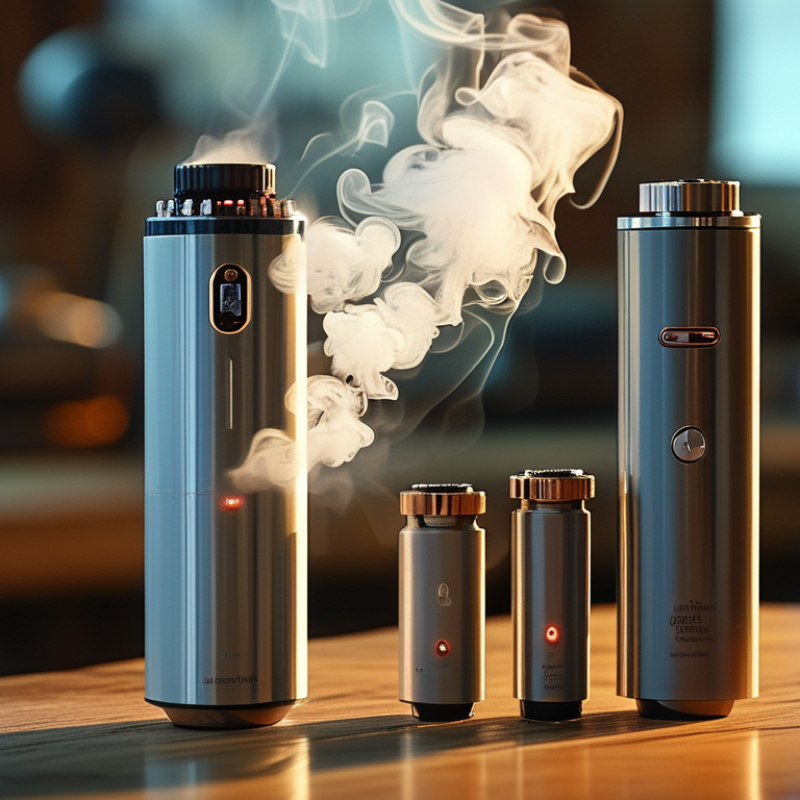
How to Improve Vapor Production for Better Flavor Experience?

Understanding the Basics of Vapor Production in E-Cigarettes

Vapor production in e-cigarettes is crucial for enhancing the flavor experience. Understanding the mechanics behind vapor creation can significantly influence user satisfaction. The composition of e-liquids, including propylene glycol (PG) and vegetable glycerin (VG), plays a decisive role. Reports indicate that VG, known for its higher viscosity, produces thicker vapor clouds compared to PG. However, some users find PG more flavorful due to its ability to deliver a stronger throat hit.

Temperature also affects vapor production. Studies show that higher wattages often yield more vapor but can compromise flavor. A balance is necessary. Research suggests that an optimal temperature range between 350°F to 450°F allows for robust vapor without burning the e-liquid. Too high a temperature can lead to a harsh taste and diminished enjoyment.

Device choice is essential. Sub-ohm tanks can create denser vapor, yet require significant battery power. Some users might feel overwhelmed by the vapor output, which can detract from flavor nuances. Hence, finding a personal balance based on experience is vital. Experimenting with different setups helps refine the ideal combination of vapor production and flavor delivery.

How to Improve Vapor Production for Better Flavor Experience?

Aspect Description Impact on Vapor Production
Wattage Higher wattage increases the temperature of the coil, leading to more vapor production. Increases vapor volume and flavor intensity.
Coil Material Different materials (Kanthal, Nickel, Stainless Steel) affect heat conductivity and flavor. Influences both vapor production and overall flavor quality.
Airflow Adjustable airflow allows for turbulent airflow or restrictive draws, affecting vapor density. More airflow generally increases vapor but can dilute flavor.
PG/VG Ratio The propylene glycol (PG) and vegetable glycerin (VG) ratio affects vapor thickness and flavor intensity. Higher VG provides thicker vapor, while higher PG offers better flavor.
Nicotine Level Different nicotine levels can influence throat hit and overall experience. Impact on user satisfaction but less direct influence on vapor volume.
Coil Resistance Lower resistance coils heat up faster, increasing vapor production. Directly correlates with increased vapor output.

Key Factors Influencing Flavor Experience in Vaping

When it comes to enhancing flavor in vaping, several key factors can influence the overall experience. A 2021 report from the Consumer Technology Association highlighted that vapor production plays a significant role in flavor perception. The interaction of vapor density, temperature, and composition directly affects how users perceive flavors. If the vapor is not dense enough, subtle flavors may be lost.

Tip: Experimenting with different wattages can dramatically impact vapor production. Higher temperatures can produce denser vapor, enhancing flavor delivery. Users often find that finding the right balance between temperature and coil resistance leads to richer tastes.

Another factor is the choice of e-liquid. A study from the Journal of Vaping Studies indicated that higher VG (vegetable glycerin) blends tend to produce thicker vapor than PG (propyl glycol) blends. However, high VG liquids can sometimes mute flavors. It's crucial to find a ratio that works best for your palate.

Tip: Consider trying different e-liquids and ratios. Tasting various combinations can help pinpoint what suits your preference. Keep track of how each type affects flavor intensity and vapor thickness. This iterative approach allows for a more personalized vaping experience, though it can be time-consuming to find the best match.

How to Improve Vapor Production for Better Flavor Experience

This chart illustrates the key factors influencing flavor experience in vaping, showing their impact on vapor production. Increasing vapor production can enhance flavor delivery, allowing for a more enjoyable vaping experience.

Techniques to Enhance Vapor Production for Optimal Flavor

To enhance vapor production, understanding the components of your device is crucial. Different atomizers and coils can significantly impact how much vapor is produced. Using a low-resistance coil often maximizes vapor production. This creates more surface area for the e-liquid to evaporate. However, it may lead to a quicker depletion of your e-liquid.

Airflow is another critical factor. Increasing airflow can create larger clouds, allowing for a smoother draw. A restrictive airflow might reduce vapor but can enhance flavor concentration. It's essential to find a balance. Experiment with different airflow settings to discover what works best for your taste.

Wicking material can also influence vapor output. High-quality cotton or other wicking materials absorb e-liquid effectively. This ensures a consistent flow to the coil, leading to better vapor. However, using too much or too little wicking material can hinder performance. Take time to adjust wick placement for optimal results. Each tweak can provide valuable lessons on flavor and vapor integrity.

Choosing the Right Equipment for Improved Vapor and Flavor

Choosing the right equipment is crucial for enhancing vapor production and flavor. Different devices can significantly affect your experience. Modifications and upgrades can make a noticeable difference. A well-crafted device can amplify vapor clouds. Yet, not every piece of equipment delivers the same results.

Consider the type of atomizer you choose. RTA and RDA options offer unique benefits. They allow for better airflow and more control over the vaping experience. It’s essential to explore coil types as well. Some coils enhance flavor while others focus on vapor density. The balance between these elements is often subjective.

You might find that certain setups work better than others. User preferences vary widely. Experimentation is key. It can lead to unexpected results, both good and bad. A perfect flavor experience is often about personal discovery. Don't hesitate to document your experiences. Reflect on what works and what doesn’t, as this can guide future choices.

The Role of E-Liquid Composition in Vapor and Taste Enhancement

E-liquid composition plays a crucial role in enhancing vapor production and flavor experience. The balance of vegetable glycerin (VG) and propylene glycol (PG) is key. VG is thicker and produces denser vapor. However, too much VG can mute flavor intensity. PG, being thinner, carries flavors better, but it might produce less vapor. Finding the right mix requires experimentation and personal preference.

Flavorings in e-liquids also impact both vapor production and taste. Various flavoring compounds have unique vaporization points. Some flavors might evaporate quickly, altering the flavor profile. Others may linger, providing a richer experience. It's worth noting that not all flavorings are created equal. Some might lead to a burnt taste if not balanced well with VG and PG. Users should pay attention to the taste changes during vaping and adjust accordingly.

The nicotine level in e-liquids can affect throat hit and overall satisfaction. Higher nicotine levels can lead to a stronger throat hit, which might overshadow subtle flavors. Conversely, lower nicotine concentrations often enhance flavor perception. Users should evaluate their preference over time, as it can change based on experience. Understanding e-liquid composition is vital for optimizing the vaping experience.

FAQS

: What factors influence flavor experience in vaping?

: Vapor production, density, temperature, and e-liquid composition significantly influence flavor perception.

How does vapor temperature affect flavor?

Higher temperatures produce denser vapor, enhancing flavor delivery.

What role does e-liquid composition play in flavor?

The balance of VG and PG in e-liquids affects vapor thickness and flavor intensity.

Why might high VG liquids mute flavors?

While VG produces thicker vapor, it can also dull flavor intensity if used excessively.

How can users find their ideal e-liquid ratio?

Experimenting with different e-liquids and ratios helps find what suits your palate best.

What impact do flavorings have on vaping experience?

Flavoring compounds vary in vaporization points, affecting flavor profile and overall taste experience.

How does nicotine level affect flavor perception?

Higher nicotine can give a strong throat hit, sometimes overshadowing subtle flavors.

Should users track their vaping experiences?

Yes, noting how different e-liquids and setups affect flavor helps personalize the experience.

Is finding the right vaping setup a quick process?

No, it often requires time and experimentation to find the best flavors and vapor density.

What should users monitor while vaping?

Pay attention to taste changes, as they can inform adjustments to setups and e-liquids.

Conclusion

This article explores how to improve vapor production to enhance the flavor experience in vaping. It begins by outlining the fundamentals of vapor production in e-cigarettes, detailing how different elements interact to create an optimal vaping experience. Key factors influencing flavor experience, such as temperature, wattage, and airflow, are examined to help users understand their impact on the overall sensation.

Moreover, the article describes various techniques for enhancing vapor production, including adjustments to device settings and maintenance practices. Selecting the right equipment, such as atomizers and mods, is crucial for maximizing vapor and flavor output. The composition of e-liquids also plays a significant role, as different ingredients can affect both vapor thickness and taste. Overall, the piece offers valuable insights for those seeking to improve their vaping experience by focusing on how to improve vapor production for richer flavor enjoyment.

Mason

Mason

Mason is a seasoned marketing professional with a deep expertise in the company's offerings and a passion for driving brand awareness. With a strong background in digital marketing strategies, he has an innate ability to connect with diverse audiences and effectively communicate product benefits.......