When considering what affects vape battery life, several factors come into play that every buyer should understand. The type of battery, its capacity, and usage patterns significantly influence longevity. Battery chemistry, often overlooked, can also affect performance. This knowledge ensures that users choose a battery that meets their specific needs.
Additionally, maintenance practices impact battery life. Regularly cleaning the device and using proper charging techniques extend its lifespan. Many users forget that overcharging or leaving the battery in extreme conditions can lead to reduced performance. Reflecting on these factors can help enthusiasts make informed decisions.
Understanding what affects vape battery life allows users to enjoy their experience without interruptions. Awareness of the key aspects can prevent unexpected failures. Buyers must prioritize quality over cost, ensuring they make reliable choices for their vaping experience.
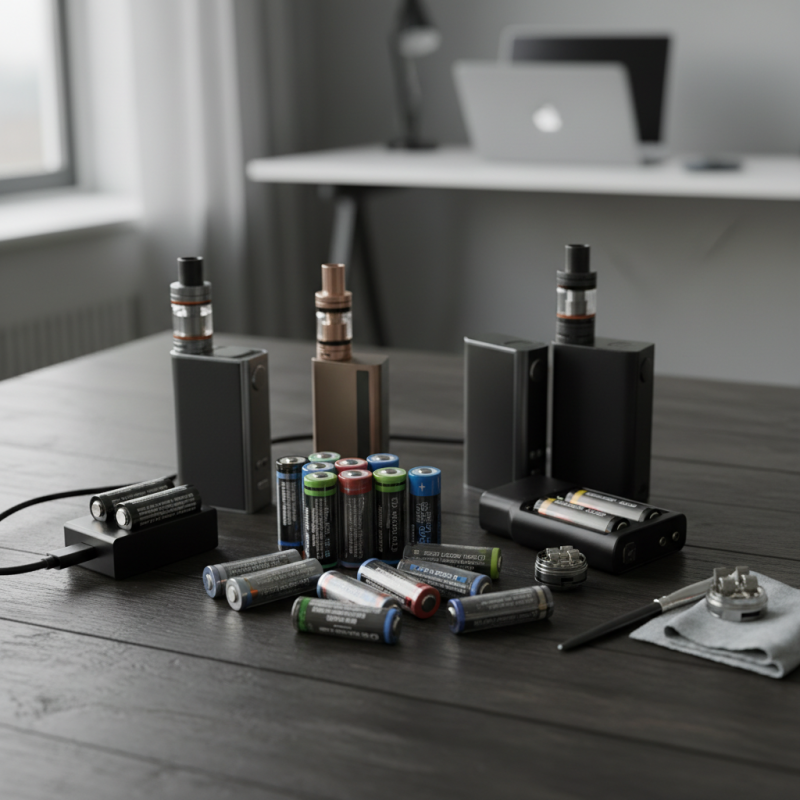
Factors Influencing Vape Battery Life: Understanding mAh Ratings
When considering vape battery life, one of the most crucial elements is the battery's mAh rating. This rating indicates the battery's capacity. A higher mAh rating typically means longer usage time. However, many users misunderstand this measure. They assume bigger is always better. It's essential to consider your personal vaping habits too. A lower capacity may suffice for casual vapers, while heavy users might need more power.
Tips for potential buyers: Pay attention to your vaping frequency. If you vape often, opt for batteries with a higher capacity. Look for models that balance size and lifespan. Consider how long you need the battery to last between charges. If portability is vital, don't overlook smaller batteries, even if their lifespan might be shorter.
Another factor to consider is the type of device you use. Different devices consume power differently. Powerful devices can drain batteries quickly, regardless of their mAh rating. Always research and match the battery to your vaping style. Lastly, remember that battery quality and maintenance significantly impact lifespan. Charging practices can also affect performance. Consistent care can extend battery life beyond its rated capacity.
The Impact of Temperature on Vape Battery Performance and Longevity
Temperature plays a critical role in vape battery life. Extreme heat or cold can drastically reduce battery performance. According to a study by the International Energy Agency, high temperatures can increase the internal resistance of batteries. This leads to quicker energy depletion, reducing the overall lifespan. Batteries are most efficient between 20°C and 25°C. Outside this range, users may experience diminished functionality.
Operating a vape in high temperatures can result in swelling or leaking. Conversely, colder conditions slow down the chemical reactions within the battery. A report from the Battery University notes that lithium-ion batteries lose about 20% of their capacity at 0°C compared to room temperature. Consumers should consider storage and usage environments carefully.
Investing in temperature-regulating products can seem like an unnecessary expense. However, the long-term benefits include improved battery longevity. Neglecting temperature impact may lead to unexpected costs. Users must reflect on their habits and whether they are unintentionally shortening their battery's life. Understanding how temperature affects performance can guide smarter choices in vaping.
What Affects Vape Battery Life Key Factors for Buyers? - The Impact of Temperature on Vape Battery Performance and Longevity
| Temperature Range (°C) |
Battery Life (Hours) |
Voltage Drop (V) |
Recharge Cycles |
Optimal Usage Guidelines |
| -10 to 0 |
1-2 |
3.6 |
300 |
Avoid usage in extreme cold |
| 0 to 10 |
2-4 |
3.7 |
400 |
Better performance, moderate usage |
| 10 to 20 |
4-6 |
3.8 |
500 |
Optimal temperature for battery |
| 20 to 30 |
5-8 |
3.9 |
600 |
Ideal for prolonged use |
| 30 to 40 |
2-3 |
3.4 |
300 |
Heat can reduce lifespan |
| Above 40 |
1 |
3.0 |
200 |
Avoid operating in extreme heat |
The Role of Charge Cycles in Determining Battery Life in Vaping Devices
When exploring the life of vape batteries, charge cycles play a crucial role. Each time you charge and discharge a battery, it goes through a charge cycle. Over time, these cycles reduce the battery's overall capacity. A typical vape battery may last through hundreds of cycles, but the quality of the cycle matters. Users often overlook how the depth of discharge impacts longevity.
In many cases, draining a battery to empty can harm its lifespan. Avoiding full discharges and keeping the battery at a mid-range charge can help preserve its health. Different types of batteries have their own ideal patterns of use. For example, lithium-ion batteries thrive on partial discharges rather than complete cycles.
Despite this knowledge, many users still find themselves charging their devices impulsively. This habit can lead to premature aging of the battery. Recognizing the impact of these charge cycles is key for potential buyers. Tuning into these details can enhance the performance and lifespan of vaping devices. However, it's a learning process that varies among users.
Comparing Battery Types: Lithium-Ion vs. Other Options for Vaping
When it comes to vape batteries, lithium-ion (Li-ion) batteries dominate the market. Their popularity stems from high energy density and long cycle life. Reports indicate that Li-ion batteries can last up to 500 charge cycles. In contrast, other options like nickel-metal hydride (NiMH) batteries fall short, offering only around 300 cycles. The difference is significant for frequent users.
Battery capacity is also a crucial consideration. Li-ion batteries typically deliver higher mAh ratings. For instance, a 3000 mAh Li-ion battery can provide longer vaping sessions than a 2000 mAh NiMH battery. Users often overlook how this capacity affects daily usage. Many find themselves recharging too often due to a poor understanding of their device’s energy requirements.
While lithium-ion batteries present clear advantages, they are not without drawbacks. The risk of overheating and potential battery swelling are concerns in using Li-ion technology. Additionally, the environmental impact of lithium mining is becoming a topic of discussion. Buyers must weigh performance against ethical considerations when choosing a battery. Understanding these factors is essential for making informed decisions in the vaping landscape.
How Usage Habits Affect Vape Battery Life: Puff Frequency and Duration
When it comes to vape battery life, usage habits play a significant role. Puff frequency greatly influences how quickly your battery drains. Taking short, quick puffs can consume power faster than longer, steadier draws. This is because the device heats up more frequently with rapid puffs. If you find yourself chain vaping, expect your battery to deplete quicker than if you take breaks between puffs.
The duration of each puff also matters. Longer puffs require more energy, leading to a shorter battery life overall. If you inhale deeply and hold the vapor, this can be a substantial drain. It’s essential to find a balance between enjoying your vaping experience and conserving battery life. Monitoring your habits can help extend the days between charges, but it may require some adjustment.
Even small changes in these habits can yield noticeable benefits. If you often find your battery running low, consider reducing the number of puffs or their duration. Reflecting on these aspects can help improve your overall experience while maintaining reliable battery life, making your vaping sessions more enjoyable and efficient. Experimenting with your usage can lead to unexpected improvements.
Factors Affecting Vape Battery Life
This chart illustrates how different usage habits affect vape battery life, specifically focusing on puff frequency and duration. Understanding these factors can help users manage their battery expectations effectively.
Conclusion
Vape battery life is influenced by several key factors that buyers should consider. One major aspect is the mAh rating, which indicates the battery's capacity and directly affects how long it can last between charges. Additionally, temperature plays a critical role; extreme heat or cold can diminish battery performance and overall longevity. Charge cycles, or the number of times a battery can be charged and discharged, also determine its lifespan, making understanding usage patterns essential for optimizing battery life.
Furthermore, the type of battery is crucial in this equation. Lithium-ion batteries are commonly used in vaping devices due to their efficiency and longevity compared to other options. Lastly, individual usage habits—such as the frequency and duration of puffs—can greatly impact battery performance. Understanding these factors will help users make informed decisions about what affects vape battery life and how to enhance their vaping experience.

 Onics Vape