How to Store Vape Devices Correctly in 2026?

Time:2026-10-11 Author:Mason
0%

Vape devices need more than a quick place in a drawer. Proper storage protects the battery, pod, e-liquid, and people nearby. This guide explains how to store vape devices correctly in 2026, using practical habits and current manufacturer guidance.

A cool, dry location is the safest starting point. Keep devices away from direct sunlight, heaters, hot cars, and damp bathrooms. Excessive heat can damage batteries and change e-liquid performance. A stable shelf works better than a windowsill. Keep the device upright when possible. This can reduce leaking around the pod or tank.

Small details matter. Remove the device from pockets before storing it overnight. Prevent keys, coins, and other metal objects from touching exposed battery terminals. Use a protective case for spare batteries and inspect them for torn wraps, dents, swelling, or unusual heat. Never use a damaged battery. That rule is simple.

Keep vape devices and e-liquids away from children and pets. A closed, elevated cabinet is more reliable than a bedside table. Store e-liquid in its original, clearly labeled container. Avoid transferring it into food or drink bottles. Check the cap after every use.

A perfect routine is unrealistic. People forget, especially when traveling or rushing. A quick visual check can still prevent many problems. Before storage, wipe condensation, disconnect charging cables, and confirm the device is switched off. Follow the product manual, because designs and battery systems vary. If the device smells unusual, leaks heavily, overheats, or behaves unpredictably, stop using it and seek qualified product support. Small habits make storage safer.
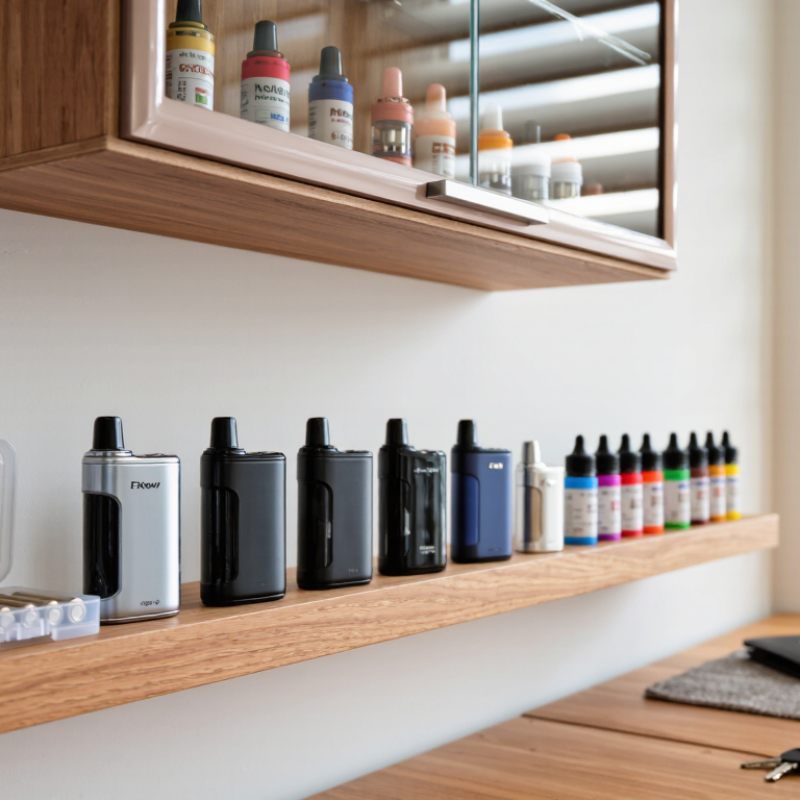
How to Store Vape Devices Correctly in 2026?

Understanding the Main Risks of Improper Vape Device Storage

How to Store Vape Devices Correctly in 2026?

Understanding the Main Risks of Improper Vape Device Storage

Improper storage can damage a vape device before it looks unsafe. Heat is a major concern. A closed car, sunny windowsill, or warm pocket can raise battery temperature quickly. Excessive heat may shorten battery life and increase failure risks. Cold conditions can also reduce performance and cause condensation after sudden warming. Keep the device in a cool, dry place away from direct sunlight.

Loose batteries should never share a pocket with keys, coins, or other metal objects. Contact with metal can create a short circuit. Store removable batteries inside a protective case. Inspect them regularly for swelling, dents, torn wrapping, or unusual heat. Stop using damaged batteries. Do not charge a device overnight or while sleeping. Use the correct charging equipment, and place it on a nonflammable surface.

Vape liquid can leak through damaged seals or loose connections. Keep the device upright when practical, especially during travel. Moisture around charging ports can cause electrical problems. Store devices away from children and pets, even when the device seems empty. A locked drawer offers better control than a bedside table. People often remember battery safety but forget liquid exposure. That small oversight can still damage internal parts.

Preparing Vape Devices Before Long-Term Storage

Preparing a vape device for long-term storage starts with removing anything that can leak, corrode, or hold moisture. Empty the pod or tank completely, then wipe the mouthpiece and connection points with a dry, lint-free cloth. Do not soak the device or use harsh cleaners. Allow every part to dry fully before packing it away. Residual liquid can become sticky and damage small electrical contacts.

Check the device for cracks, swelling, loose parts, or unusual heat. A damaged battery should not be stored or used. For a built-in battery, follow the manufacturer’s charging guidance and avoid leaving the device at full charge for months. A moderate charge level is generally more suitable for extended storage. Never store a device while it is connected to a charger. Removable batteries need protective cases, with their terminals covered and separated from metal objects.

Choose a cool, dry, dark place away from children, pets, and direct sunlight. Avoid cars, windowsills, bathrooms, and areas with large temperature changes. Store the device in a rigid container, not under heavy items. I once underestimated how easily a loose accessory could press a button, so accidental activation deserves attention. Remove detachable parts when practical, but keep them labeled. Check the device occasionally for leakage or swelling, although frequent handling is not helpful. If storage conditions are uncertain, replace the plan rather than taking a risk.

Choosing Safe Storage Conditions for Devices and Batteries

How to Store Vape Devices Correctly in 2026?

Safe storage begins with controlling heat, movement, and battery contact. Keep the device in a cool, dry room, away from windows, radiators, cars, and direct sunlight. Never leave it under a pillow or inside loose clothing. A hard, non-metal container can prevent crushing and accidental activation. It should not be airtight if the device is warm.

Battery care deserves extra attention. Store removable batteries separately, with their terminals covered by protective caps. Do not place them beside keys, coins, or other metal objects. Remove any battery with swelling, dents, torn wrapping, leaking, or unusual heat. It is a small warning, but an important one. The 2017 U.S. Fire Administration analysis documented 195 electronic-cigarette fires and explosions from 2009 to 2016, with many incidents involving charging or battery failure.

Charge only with the supplied or manufacturer-approved equipment, on a clear, non-flammable surface. Keep charging devices visible, and unplug them when charging ends. The FAA’s PackSafe guidance also recommends protecting spare lithium batteries from short circuits during transport. Check the device before storage; I sometimes find that a “safe” drawer becomes crowded over time. That habit needs correction. Follow the current user manual, and replace damaged equipment rather than improvising repairs.

How to Store Vape Devices Correctly in 2026? - Choosing Safe Storage Conditions for Devices and Batteries
Storage Dimension Recommended Condition Practical Storage Guidance Risk Level if Ignored
Temperature Cool, stable indoor temperature Keep devices and batteries in a shaded location at normal room temperature. Avoid direct sunlight, hot vehicles, radiators, heaters, and other heat sources. Caution
Excessive heat can accelerate battery degradation, increase pressure inside a device, and damage e-liquid.
Humidity Dry environment Store the device in a dry, well-ventilated place. Keep it away from bathrooms, sinks, condensation, rain, and other sources of moisture. Caution
Moisture may cause corrosion, charging faults, or electrical malfunction.
Battery Position Separate from loose metal objects Loose rechargeable batteries should be kept in a rigid protective case. Never place them in a pocket, purse, drawer, or bag with keys, coins, tools, or other conductive items. High
Metal contact can short-circuit a battery and cause rapid heating or fire.
Device and Battery Separation Separate when not in use for extended periods If the device uses a removable battery, remove the battery before long-term storage and protect it from physical contact with metal objects. Recommended
Reduces the chance of accidental activation, leakage, or an unnoticed electrical fault.
Battery Charge Level Partially charged for long-term storage For storage lasting several weeks or longer, keep rechargeable lithium-ion batteries partially charged rather than fully charged or completely depleted. Follow the device or battery manufacturer’s instructions when available. Caution
Extended storage at very low charge can contribute to over-discharge and battery failure.
Charging Location Non-flammable, visible, and attended area Charge on a clean, hard, non-flammable surface away from bedding, sofas, paper, clothing, children, and pets. Disconnect the charger when charging is complete and never charge while sleeping or away from home. High
Unattended or covered charging can allow overheating to go unnoticed.
Charger Compatibility Correct charger and cable for the device Use the charging equipment specified for the device. Do not use damaged, frayed, wet, modified, or incompatible chargers, cables, or adapters. High
Incorrect charging conditions may damage the battery or create an overheating hazard.
Physical Protection Protected from impact and pressure Keep the device and batteries in a secure location where they will not be crushed, dropped, punctured, bent, or exposed to heavy objects. High
Physical damage can compromise the battery casing and create an internal short circuit.
Battery Inspection No visible damage or abnormal behavior Before storage and use, check for swelling, dents, tears, corrosion, leakage, unusual odor, excessive heat, or rapid loss of charge. High
Do not use, charge, or transport a damaged or swollen battery.
Water and Condensation Keep completely dry Do not store a wet device or battery. If a device becomes wet, disconnect it from power, stop using it, and seek guidance from the manufacturer or a qualified service professional. High
Charging a wet device can cause short circuits and overheating.
Cold Storage Avoid freezing temperatures Do not store batteries or vape devices in a freezer or leave them in freezing conditions. Allow a cold device to return to room temperature before charging, and check for condensation. Caution
Low temperatures can reduce battery performance and condensation may damage electronics.
Child and Pet Safety Locked and inaccessible location Store devices, batteries, pods, cartridges, and e-liquid in a locked or secured place that is inaccessible to children and pets. Keep e-liquid containers closed. High
Nicotine-containing products can be dangerous if swallowed or absorbed through the skin.
E-Liquid Storage Cool, dark, upright, and sealed Keep e-liquid tightly closed and upright in its original container, away from sunlight and heat. Check the container for leaks before placing it near electronics or batteries. Caution
Heat and light can affect liquid quality, while leaks can damage electronics and create exposure risks.
Long-Term Storage Periodic inspection For storage longer than a few weeks, keep the device switched off, disconnect removable batteries, and periodically inspect for swelling, leakage, corrosion, or unusual odor. Recommended
Early inspection can identify developing damage before the device is used or charged.
Disposal Use an approved battery or e-waste collection point Do not place lithium-ion batteries or vape devices in household trash or recycling bins. Protect battery terminals and follow local hazardous-waste or battery-recycling requirements. High
Improper disposal can cause fires during waste collection or processing.
Safety reminder: Always follow the device and battery instructions supplied with your product. Stop using any device or battery that becomes unusually hot, swollen, damaged, leaking, or emits an unusual odor.

Storing E-Liquids, Pods, and Cartridges Correctly

How to Store Vape Devices Correctly in 2026?

E-liquids need a cool, dark, and dry cupboard. Keep each bottle upright and tightly closed. Heat and sunlight can change nicotine strength, color, and flavor. The U.S. Food and Drug Administration advises keeping nicotine products out of children’s reach and sight. Original child-resistant containers should remain intact. Do not transfer liquid into food or drink bottles. A locked cabinet works better than a kitchen drawer. Avoid refrigerators and freezers, because condensation and temperature changes may damage labels and seals. Check the printed date regularly. If the liquid smells unusual, separates, or leaks, do not use it.

Pods and cartridges should stay sealed until needed. Store them upright when possible. A small plastic container can prevent dust and liquid contact. Never leave them in a parked car, near a radiator, or on a sunny windowsill. Temperatures can rise quickly inside vehicles. I once stored a spare pod loosely in a bag; the mouthpiece collected lint, and the seal weakened. That was careless. Keep filled and empty pods separate. Wipe minor exterior residue with a dry, clean cloth, but do not rinse electronic parts. The U.S. Fire Administration documented 195 electronic-cigarette fire or explosion incidents in the United States between 2009 and 2016, including 133 acute injuries. Its findings support careful storage away from heat, metal objects, and physical damage. Batteries and cartridges deserve separate spaces. Small habits are easy to forget. Recheck them monthly.

Inspecting and Maintaining Stored Vape Devices in 2026

Stored vape devices need regular inspection, not passive waiting. Check them in a cool, dry, shaded place away from children and pets. Look for cracked housings, loose buttons, damaged charging ports, or unusual swelling. A soft chemical smell deserves attention. Do not use a visibly damaged device. Separate it from other items and follow local disposal guidance. Keep batteries away from coins, keys, and other metal objects. If a removable battery feels hot, stop handling it until it cools.

Every few weeks, wipe the exterior with a dry, lint-free cloth. Keep liquid away from openings and electrical contacts. Inspect the mouthpiece for dust, residue, or moisture before use. Check stored cartridges or tanks for leaks, cloudiness, and damaged seals. Replace compromised parts according to the device maker’s instructions. Never force a stiff connection. That can hide a deeper fault. Use only the recommended charger and inspect its cable for fraying. Charging should happen on a clear, nonflammable surface while you remain nearby.

A simple record can improve maintenance. Note the storage date, battery condition, and any changes noticed. This sounds excessive. It is not always easy to remember small warnings. Still, a checklist can create false confidence if inspections are rushed. Slow down and trust physical evidence over assumptions. Stay alert. If a device becomes unusually hot, leaks repeatedly, or behaves unpredictably, stop using it. Ask a qualified technician or authorized service provider for safe handling advice. Check current official guidance for battery and electronic waste disposal.

How to Store Vape Devices Correctly in 2026? — Inspecting and Maintaining Stored Vape Devices

Lithium-ion batteries used in vape devices should be stored in a cool, dry place away from direct sunlight, heat sources, loose metal objects, children, and pets. The chart shows practical temperature reference points for storage and inspection decisions. Always follow the device and battery manufacturer’s instructions when they specify stricter limits.

FAQS

How should I prepare a vape device before long-term storage?

Empty the pod or tank completely. Wipe the mouthpiece and contacts with a dry, lint-free cloth. Let every part dry fully.

What damage should I check before storing the device?

Look for cracks, swelling, loose parts, or unusual heat. Do not store or use a visibly damaged battery. Separate it safely.

What battery level is suitable for extended storage?

Follow the device maker’s charging guidance. A moderate charge is generally better than full charge for months. Never store it while charging.

How should removable batteries be stored?

Use protective battery cases. Cover the terminals and keep batteries away from coins, keys, and other metal objects. Keep them separated.

Where is the safest place to store a vape device?

Choose a cool, dry, dark location. Avoid cars, windowsills, bathrooms, and rapid temperature changes. Keep it away from children and pets.

How can accidental activation be prevented?

Remove detachable parts when practical and label them. Use a rigid container, not a heavy pile of objects. A loose accessory can press the button.

How often should a stored device be inspected?

Check it every few weeks for leaks, swelling, damaged ports, loose buttons, or unusual smells. Handle it slowly. Rushed checks can miss warning signs.

What should I do if the device leaks, overheats, or behaves strangely?

Stop using it. Do not force connections or continue charging. Move it away from other items after it cools, and follow local disposal guidance or ask a qualified service provider.

Conclusion

Learning how to store vape devices correctly in 2026 helps reduce risks such as battery damage, leaks, accidental activation, contamination, and reduced device performance. Before long-term storage, turn the device off, disconnect removable batteries when appropriate, empty or clean the tank, and check for cracks, corrosion, or other signs of damage. Batteries should be kept in protective cases, away from metal objects, heat, moisture, direct sunlight, and extreme temperatures. Devices should be stored in a cool, dry, secure place that is inaccessible to children and pets.

E-liquids, pods, and cartridges should remain tightly sealed and upright to help prevent leaks and degradation. Avoid storing them near food, heat sources, or open areas where they may be mistaken for other liquids. During storage, inspect the device periodically for swelling, leakage, corrosion, unusual odors, or other changes. Any damaged battery or component should not be used. Proper cleaning, careful handling, and regular inspection can help maintain safety and extend the useful life of stored vape equipment.

Mason

Mason

Mason is a seasoned marketing professional with a deep expertise in the company's offerings and a passion for driving brand awareness. With a strong background in digital marketing strategies, he has an innate ability to connect with diverse audiences and effectively communicate product benefits.......