When exploring what makes a vape device reliable, several key factors come into play. Reliability in vaping is essential for safety and optimal performance. Users often seek devices that deliver a consistent experience. This involves looking at the quality of materials, manufacturing processes, and design integrity.
A reliable vape device should also have robust features. These include battery performance, ease of maintenance, and safety mechanisms. Users must consider how these elements contribute to a dependable vaping experience. Understanding these factors can significantly impact user satisfaction.
However, not all devices meet high standards. Some may fall short in quality or performance. This highlights the importance of thorough research and user reviews. It’s essential to reflect on personal experiences and expert opinions when choosing a vape device. By doing so, users can make informed decisions that prioritize reliability and safety.
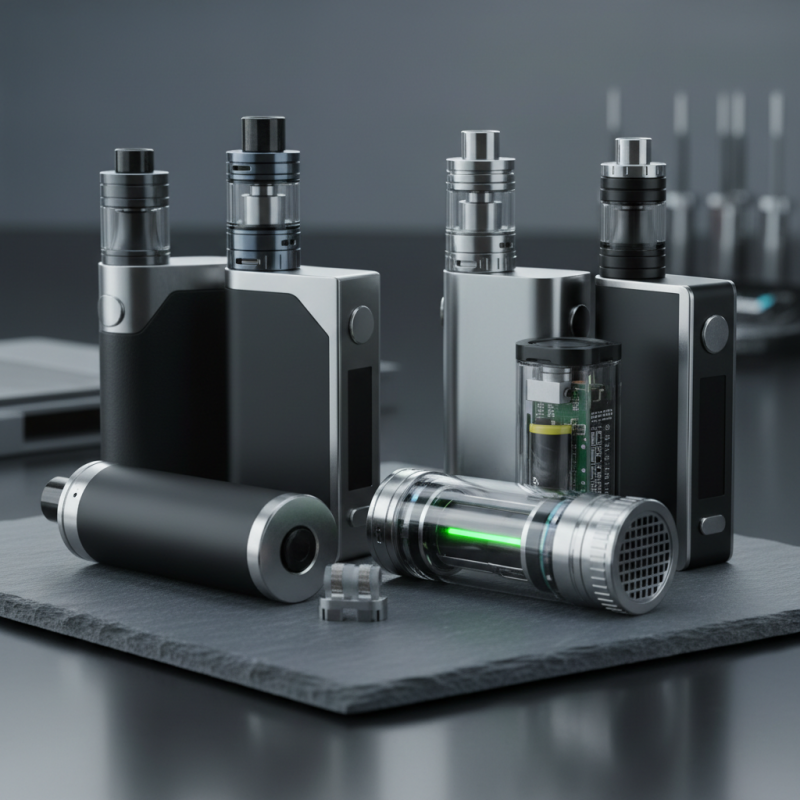
In today's vaping industry, the reliability of vape devices hinges on several critical factors. Manufacturing quality plays a vital role. Devices must undergo rigorous testing to ensure they meet safety standards. A reliable vape device should be constructed with robust materials. This prevents leaks and damage during daily use. Manufacturers should focus not only on aesthetics but also on functionality.
Another key influence on reliability is battery performance. A dependable battery can significantly enhance user experience. It affects how long the device lasts and how efficiently it operates. Poor battery management can lead to malfunctions. Therefore, manufacturers need to prioritize battery safety features. This ensures a consistent power supply without overheating risks.
Lastly, design and user-friendliness matter. A complicated device may lead to user error, impacting reliability. Clear instructions and intuitive interfaces are essential. An easy-to-use device promotes a more satisfying experience. Yet, the challenge remains for manufacturers to strike a balance between advanced technology and user accessibility. Understanding these factors is crucial for enhancing the reliability of vape devices.
| Factor | Description | Importance Level |
|---|---|---|
| Build Quality | Refers to the materials and craftsmanship used in the device. | High |
| Battery Safety | Ensures the battery has protective features to prevent overheating and explosion. | High |
| Regulatory Compliance | Adherence to local and international safety regulations. | Medium |
| User Reviews | Feedback from users about reliability and performance. | Medium |
| Warranty and Support | Availability of customer service and warranty period offered. | High |
| Technology Used | Incorporation of advanced technology for improved performance. | Medium |
| Production Standards | Guidelines followed during manufacturing to ensure quality control. | High |
Quality control is crucial in the production of reliable vape devices. Consistent testing at various stages ensures components meet safety standards. For instance, battery performance can significantly impact user experience. Rigorous assessments help identify potential issues early, preventing faulty devices from reaching consumers.
Manufacturers often implement detailed inspections of individual parts. This includes checking the integrity of coils and material quality. Each material's resistance and durability are evaluated to prevent malfunctions. Regular audits can also track compliance with industry standards. However, some manufacturers may overlook important checks, leading to inconsistencies.
Feedback from users plays a vital role in refining production processes. Gathering insights about device performance and reliability can highlight areas needing improvement. While efforts are made to ensure quality, unforeseen issues may still arise. Adapting to these challenges is essential for maintaining trust and credibility in the market.
The materials used in vape devices play a crucial role in their reliability and overall performance. Most vaping devices are made with plastic, aluminum, and stainless steel. Each material affects durability and user experience differently. For instance, stainless steel is known for its resilience against heat and corrosion, while plastic can be lightweight, but may not withstand high temperatures. A report by the International Journal of Environmental Research found that materials can impact the quality of vapor produced, influencing user satisfaction.
Research indicates that components like coils and wicks also greatly influence performance. Ceramic and cotton are common wick materials that affect flavor delivery and consistency. A study highlighted that ceramic wicks tend to provide a purer taste, as they are less prone to burning than cotton.
However, there can be inconsistencies in manufacturing. Variations in material quality may result in mixed user experiences. This inconsistency raises questions about standards and regulations within the vaping industry. Ensuring reliable materials may need further exploration and better quality control practices to meet consumer expectations effectively.
Consumer feedback plays a crucial role in assessing the reliability of vape devices. According to recent industry surveys, users prioritize safety and performance over brand names. Over 70% of consumers reported they evaluate products based on peer reviews and ratings. Genuine user experiences often highlight durability and ease of use as key factors. Devices that display consistent performance tend to attract more positive feedback.
Safety ratings are another essential aspect. Recent studies indicate that devices with advanced safety features show a significant decrease in reported incidents. For example, devices equipped with over-discharge protection and short-circuit prevention boast an 80% lower failure rate. Additionally, devices that undergo rigorous third-party testing receive higher trust scores among consumers. However, the market still features unreliable products that pass initial reviews yet fail in real-world usage.
An overwhelming majority of vape users emphasize the importance of feedback loops. Many consumers express confusion about which safety features truly matter. Continuous education is critical as the industry evolves rapidly. Data suggests that nearly 40% of users feel uninformed about potential risks associated with certain devices. This gap affects their purchasing decisions and ultimately the overall market reliability.
When discussing reliable vape devices, industry standards and regulations play a critical role. Manufacturers must adhere to strict compliance guidelines to ensure safety and performance. Certifications from recognized bodies add credibility to these products. Proper labeling and clear instructions are essential. They help users understand the device's operation, risks, and maintenance.
Quality control during production is another key aspect. This includes using high-grade materials that withstand heat and pressure. Regular testing for battery safety and leakage issues is vital. Devices must also align with environmental regulations to minimize waste. Many manufacturers face challenges in consistently meeting these standards, which can impact overall reliability.
Consumer education is equally important. Users need to be aware of what to look for in a vape device. Lack of awareness can lead to poor choices and unsafe practices. Engaging with trustworthy resources is essential for making informed decisions. The balance between innovation and adherence to safety standards drives the industry forward. Reliable devices emerge only with ongoing scrutiny and commitment to these fundamental principles.
: Key factors include manufacturing quality, battery performance, and user-friendly design.
High manufacturing quality ensures devices meet safety standards and prevents leaks or damage.
A reliable battery enhances device longevity and efficiency, while poor management can cause malfunctions.
Consumer feedback helps assess reliability, with many users prioritizing safety and performance in reviews.
Devices with advanced safety features have lower failure rates, enhancing consumer trust.
Striking a balance between advanced technology and user accessibility can be difficult.
Many users feel uninformed, causing confusion about important safety features to look for.
Over 70% of users evaluate products based on peer reviews and ratings.
Continuous education about safety features and device performance could enhance user understanding.
Yes, some devices pass initial reviews yet perform poorly in real-world usage.
When exploring what makes a vape device reliable, several key factors come into play. First, the manufacturing process is critical, with stringent quality control processes ensuring that each device meets established safety and performance standards. The choice of materials used in vape devices significantly impacts their longevity and efficiency, affecting the overall user experience.
Additionally, consumer feedback and safety ratings serve as valuable indicators of reliability, as they provide insights into the device's performance and user satisfaction. Lastly, adherence to industry standards and regulations is essential for ensuring that vape devices are safe and reliable for consumers. Together, these elements form a comprehensive understanding of the critical determinants of reliability in vape device manufacturing.

Onics Vape