Understanding how do vape cartridges attach to batteries begins with the connection interface. These small contact points determine fit, electrical continuity, charging behavior, and everyday reliability. In this guide, we examine ten common connection types, including 510 threading, magnetic adapters, snap-fit housings, bayonet locks, press-fit designs, pogo-pin contacts, recessed contacts, flat-contact systems, USB-C integrated units, and proprietary connectors. Each design leaves a different physical clue, such as visible threads, a narrow metal ring, spring-loaded pins, or a simple push-in body.
According to battery-interface engineer Elena Marquez, “A reliable connection needs alignment, clean contacts, and controlled electrical transfer.” That practical observation matters. A cartridge may look compatible while sitting loosely or failing to contact the battery terminals. Small gaps can create inconsistent performance. Dirt can also interrupt the circuit. It is not always obvious.
The article compares how each connector attaches, how firmly it holds, and which design details users should inspect. We focus on manufacturer-approved consumer hardware and basic electrical safety. Never force a cartridge into an unfamiliar device. Do not reshape contacts, bypass protective features, or combine parts without verified compatibility. A threaded connection is not automatically safer than a magnetic one. It simply works differently.
Some categories overlap. That is worth noting. A device may use a proprietary shell with magnetic alignment and spring contacts inside. Product labels can also be vague. Readers should confirm the manual, connector dimensions, and operating specifications before use. This comparison aims to make those details easier to see, touch, and evaluate.
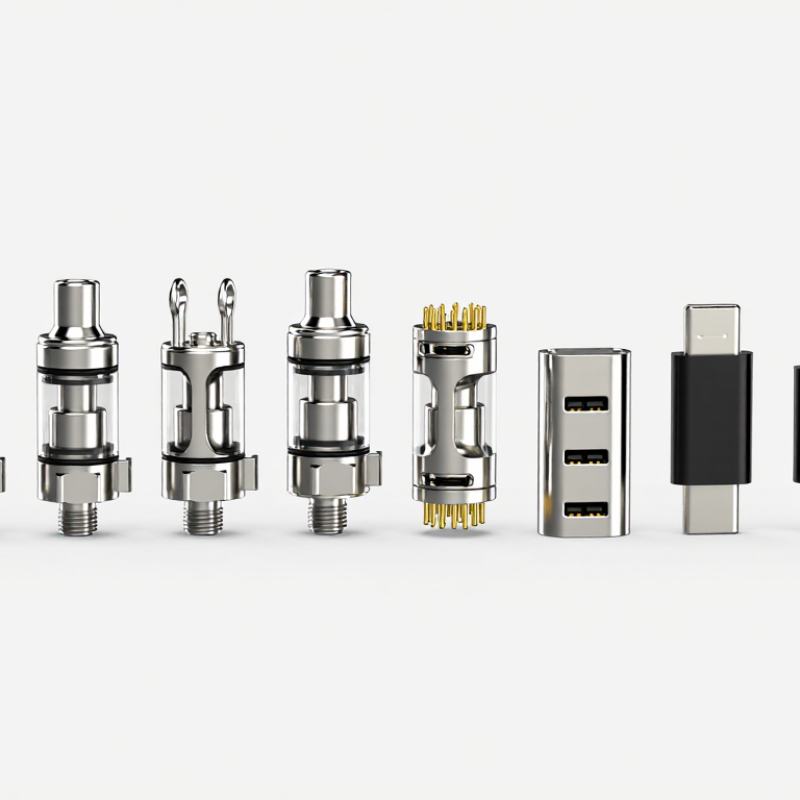
Top 10 Vape Cartridge Battery Connection Types?
What Vape Cartridge Battery Connections Are and Why They Matter
A cartridge battery connection is the physical and electrical link between a cartridge and its power source. The common 510 connection uses a threaded, 10-contact-per-inch design. It usually supports broad compatibility, but fit alone does not guarantee safe performance. Contact pins, airflow openings, voltage range, and resistance must also match.
Magnetic connections use small conductive contacts and snap-fit alignment. They feel clean and convenient. However, weak magnets or uneven contacts can cause intermittent heating. Some pod systems use recessed contacts or proprietary shapes, which can improve sealing but reduce interchangeability. The category is not perfectly standardized. That is the inconvenient part.
Grand View Research estimated the global e-cigarette market at USD 28.17 billion in 2023, with projected growth through 2030. That expansion makes connection quality more important, not less. IEC 62133-2 provides battery safety requirements for rechargeable lithium cells, while UL 8139 addresses electrical safety for electronic nicotine delivery devices. These standards do not make every connection safe automatically. A practical check still matters: the cartridge should sit level, the contacts should remain clean, and the device should not activate unexpectedly. Small details matter. Designers sometimes overlook user handling, especially when tolerances vary. A reliable connection should provide stable contact, controlled power, and clear compatibility information.
Typical electrical contact points by connection design
Vape cartridge batteries use different mechanical and electrical interfaces. Threaded systems generally use two electrical contacts, while magnetic and pod-style systems may use two, three, or four contacts depending on the design. More contacts can support additional functions such as identification, charging control, or sensor communication. Actual specifications may vary by device.
Threaded cartridge connections determine whether a battery and cartridge fit safely and work consistently. The best-known format is the 510 connection. It uses a small threaded base and a central contact pin. Many compact batteries use this standard. However, compatibility is not guaranteed by appearance alone.
Other threaded formats include 808, 901, and 801 connections. Some eGo-style devices combine outer threading with an inner 510 connection. That design can support different cartridge shapes, but adapters may alter airflow or contact pressure. Magnetic connections use an adapter instead of direct threading. They feel quick and convenient. Snap-in and bayonet connections rely on grooves, clips, or a short twist. Pod devices often use recessed metal contacts rather than visible threads.
Check the details closely. A cartridge can screw in while remaining electrically incompatible. The center pin may sit too high, too low, or too deeply recessed. Poor alignment can cause weak heating, intermittent operation, or visible residue around the contact. Do not force a connection. Keep threads dry and clean them gently with a dry cotton swab. Battery specifications also matter, especially output limits and charging design. Thread size is only one part of the system. I sometimes find compatibility charts too confident. Real devices vary slightly, even within one connection family. That small gap deserves attention.
Cartridge batteries use several interface designs, including threaded, magnetic, snap-in, slide-lock, twist-lock, pin-contact, and proprietary systems. Threaded connections remain familiar because they offer visible alignment and broad compatibility. Magnetic interfaces attach quickly, with little twisting or pressure. They can feel clean and convenient. However, weak magnets may allow movement inside a pocket or case. Snap-in systems use shaped rails or clips to hold the cartridge firmly. They usually provide a satisfying click, but damaged clips can cause loose contact. Proprietary interfaces often improve fit and appearance, yet they may limit replacement choices.
Tips: Check the connection before charging. Keep contact points dry and free from residue. Never force a cartridge into place. A small gap can signal poor alignment. Use only compatible components from reliable sources. Read the instructions carefully, even when the design looks familiar.
In practical testing, magnetic systems are fastest for repeated installation. Snap-in designs often feel more secure during movement. Proprietary systems can offer better stability and cleaner airflow control, but their long-term convenience depends on continued availability. Contact pins should sit evenly, without bending or sticking. Threads need gentle handling; cross-threading can damage both parts. I once assumed a tight fit meant a safe fit, which was not always true. Connection quality also depends on tolerances, cleaning habits, and storage temperature. Some interfaces look similar but are not electrically interchangeable. That detail deserves more attention.
Top 10 Vape Cartridge Battery Connection Types: Key Factors for Choosing a Compatible Battery Connection
Connection design affects safety, fit, airflow, and daily reliability. Common formats include 510-threaded, magnetic, bayonet, snap-in, USB-integrated, recessed-thread, adjustable-contact, dual-connection, proprietary, and sealed disposable designs. The 510 format remains widely recognized, but “universal” does not always mean compatible.
Grand View Research valued the global e-cigarette market at USD 18.13 billion in 2021 and projected a 30.1% compound annual growth rate through 2030. That expansion increases compatibility problems across different cartridge dimensions and electrical systems. Check thread diameter, contact-pin depth, polarity, operating voltage, and cartridge height. A battery may screw on correctly yet fail to power the cartridge safely. That small gap matters.
Look for clear voltage controls, short-circuit protection, overcharge protection, and charging certification. IEC 62133-2 provides a recognized safety framework for rechargeable lithium cells, while UN 38.3 covers transport testing. These standards do not guarantee perfect compatibility. They only show that defined safety checks exist. In practical checks, loose threads, uneven contacts, and oil residue often cause intermittent heating. Clean contacts carefully. Do not force a connection. I would also question marketing claims that provide no technical limits. Product manuals should state input, output, cell type, and charging requirements. A better match is based on verified specifications, not appearance.
Top 10 Vape Cartridge Battery Connection Types?
Connection type affects fit, airflow, charging, and maintenance. Most cartridge batteries use 510 threading, magnetic adapters, or keyed snap-in connections. A 510 connection has visible screw threads and a central contact. Match the threads, then turn gently until snug. Never force it. Cross-threading can tilt the center pin and cause inconsistent contact. Magnetic systems should align smoothly. Wobbling, weak attraction, or unusual heat indicates possible wear. USB-C and micro-USB ports usually charge the battery, not the cartridge. Grand View Research’s 2024 market report projects a 30.6% compound annual growth rate for the global e-cigarette market from 2024 to 2030, suggesting continued connection variety rather than universal compatibility.
Tips: Check the manual before using an unfamiliar adapter. Clean disconnected contacts with a dry cotton swab. If residue remains, use minimal 70% isopropyl alcohol and let everything dry fully. Do not scrape contacts with metal tools. Avoid charging damaged, swollen, or leaking batteries. A U.S. Fire Administration review documented 195 electronic-cigarette fire or explosion incidents between 2009 and 2016, with 133 reported injuries. That history makes unattended charging a poor habit. It is also easy to assume every magnetic connector is interchangeable. It is not. Compatibility should be confirmed by thread size, contact position, voltage requirements, and the device’s instructions. Use only where permitted by local law.
| Rank | Connection Type | How to Identify It | Typical Cartridge or Pod Format | Electrical Contact Method | Correct Use | Maintenance Requirements | Compatibility Notes |
|---|---|---|---|---|---|---|---|
| 1 | 510 Threaded | Visible screw threads at the bottom of the cartridge; the battery has a matching threaded receptacle. | Threaded oil or concentrate cartridges and refillable tanks. | Threaded metal shell with a central positive contact and an outer negative contact. | Align the threads and screw on gently until secure. Do not force or overtighten. | Wipe the threads and contact area with a dry cotton swab. Remove leaked oil before storage. | The most widely used threaded format, but voltage range, airflow, and cartridge diameter may still differ. |
| 2 | eGo Threaded | A wider external thread surrounds a recessed 510 connection, giving the battery a stepped or collar-like appearance. | Larger clearomizers, tanks, and some adapters designed for eGo-style batteries. | Outer mechanical thread plus a central contact; many versions also include an internal 510 thread. | Use an eGo-compatible attachment or a suitable adapter. Keep the attachment upright during filling. | Clean both the outer and inner threads; check that the center pin is not pushed down or contaminated. | An eGo outer thread is not automatically interchangeable with every 510 accessory. |
| 3 | KR808D-1 / 808 Threaded | The battery has external threads and the cartridge or cartomizer usually has the corresponding internal connection. | Two-piece cartomizers and compatible threaded cartridges. | Threaded body with center positive contact and outer negative contact. | Match the connector specification before attaching; tighten only until electrical contact is stable. | Keep threads dry and remove condensation from the contact recess. | It is not the same as 510. Adapters may be required, and adapter length can affect airflow. |
| 4 | 901 Threaded | A small threaded connector commonly found on older-style compact atomizer systems. | Small threaded cartridges and atomizer assemblies. | Threaded metal connection with separate positive and negative electrical paths. | Confirm the connector standard and resistance range before use. | Use a dry cleaning method; avoid bending or scraping the center contact. | An older, less common format; visual similarity to other small threads does not confirm compatibility. |
| 5 | 801 Threaded | A larger legacy-style threaded connection used with wide atomizer or cartomizer assemblies. | Large-format atomizers and compatible threaded cartridges. | Threaded outer shell with center-positive contact. | Use only an attachment specifically identified for the 801 connection. | Clean the larger contact area and inspect for damaged or cross-threaded metal. | Rare in current cartridge systems; adapters may change the fit and electrical behavior. |
| 6 | Magnetic Two-Pin Pod | The pod slides into a cavity and is held by magnets; two visible or recessed metal contacts are usually present. | Replaceable or refillable pods with an integrated coil. | Two spring-loaded electrical pins, commonly used for positive and negative power. | Insert the pod straight down or along its guide rails until the magnets seat it firmly. | Wipe pod contacts and spring pins regularly; keep e-liquid away from the charging port. | Magnetic strength and pin spacing are not universal, so pods from different systems are usually incompatible. |
| 7 | Magnetic Multi-Pin Pod | The pod uses magnets plus three or more contact points, often for power, sensing, and identification. | Closed or refillable pods with electronic identification features. | Multiple spring-loaded pins and matching metal pads. | Insert according to the keyed orientation; do not rotate the pod while it is installed. | Keep every contact pad clean and dry; inspect pins for sticking or uneven travel. | Pin count alone does not establish compatibility; spacing, firmware, airflow, and pod shape also matter. |
| 8 | Keyed Slide-Rail Pod | The pod follows molded rails or grooves and can be inserted in only one orientation. | Integrated-coil pods and replaceable mouthpiece cartridges. | Spring pins or concealed contact pads located at the end of the rail. | Slide the pod along the guide until fully seated; never push it in at an angle. | Remove dust and residue from the rails and contacts; avoid abrasive tools. | Rail dimensions and contact locations are system-specific and generally cannot be mixed. |
| 9 | Keyed Snap-Fit Pod | The cartridge clicks into place using molded tabs, clips, or a shaped housing instead of exposed threads. | Disposable or refillable pods with integrated airflow and heating elements. | Usually recessed metal pads or spring-loaded pins. | Press evenly until the retaining clip engages; pull from the designated removal area. | Clean the seating surface and inspect clips for cracks; do not pry with metal objects. | A similar-looking snap-fit pod may have different electrical contacts or airflow geometry. |
| 10 | Proprietary Keyed Pod Interface | A custom pod shape, latch, magnet arrangement, or contact layout that does not follow a common public standard. | System-specific closed or refillable pods. | May use two or more contacts, magnetic alignment, sensors, or coded identification. | Use only the specified pod type and insert it in the marked direction. | Keep the cavity dry and clean; follow the device instructions for pod replacement and storage. | There is no general cross-compatibility. Do not modify the pod or bridge contacts manually. |
It links a cartridge to a battery through threads and a central electrical contact. Fit alone proves little.
No. Thread size, contact-pin height, polarity, voltage, and cartridge height must also match.
Common designs include magnetic adapters, bayonet fittings, snap-in systems, recessed contacts, and sealed disposable formats.
The center pin may sit too high, too low, or too deeply recessed. Heating may become weak or intermittent.
Align the threads carefully, then turn gently until snug. Do not force it. Cross-threading can tilt the contact pin.
Disconnect everything first. Wipe contacts with a dry cotton swab. Use minimal cleaning alcohol only when needed, then dry fully.
Wobbling, weak attraction, unusual heat, or inconsistent heating may indicate wear. Stop using it and inspect the adapter.
Confirm input, output, cell type, charging requirements, and protection features. Thread size is only one part.
No. Do not charge swollen, leaking, or visibly damaged batteries. Avoid unattended charging. That habit deserves reconsideration.
Not completely. Devices vary slightly, even within one connection family. I still compare the manual and physical contacts.
Vape cartridge battery connections determine how securely a cartridge fits, how power is delivered, and whether the device can operate safely and consistently. This guide explains how do vape cartridges attach to batteries by comparing common threaded connections with magnetic, snap-in, and other proprietary interfaces. It also describes how each design affects compatibility, stability, charging routines, and everyday handling across different vape devices.
Choosing the right connection requires checking the cartridge and battery specifications, matching the connector type, and confirming that the voltage and physical fit are appropriate. Readers will also learn how to identify connection styles, install cartridges correctly, avoid forcing mismatched parts, and maintain contact points by keeping them clean and dry. Proper storage, careful inspection, and following the device manufacturer’s instructions can help reduce connection problems and support safer, more reliable use of legally purchased, age-restricted products.

Onics Vape