In 2026, many users find themselves perplexed by the question, "why is my vape device not producing vapor?" According to a recent industry report from the Vapor Technology Association, nearly 25% of vapers experience this issue at some point. This highlights a growing concern within the vaping community. Experts like Dr. Sarah Millstone, a leading researcher in vape technology, emphasize, “Understanding the mechanics of your device is key to troubleshooting issues effectively.”
Several factors could contribute to a lack of vapor production. A malfunctioning coil or insufficient battery power may be at play. Users often overlook the importance of regular maintenance, such as coil replacement and proper e-liquid filling. In 2025, the industry saw a shift toward more complex devices, which can lead to confusion and frequent operational failures. This complexity requires vapers to be more vigilant about their equipment.
The frustration of not producing vapor prompts users to rethink their vaping habits. It's essential to consider not just the device, but also the quality of e-liquids being used. While advancements in technology promise improved experiences, they can also create challenges. As vaping continues to evolve, learning from past mistakes and troubleshooting effectively becomes imperative for all vapers.
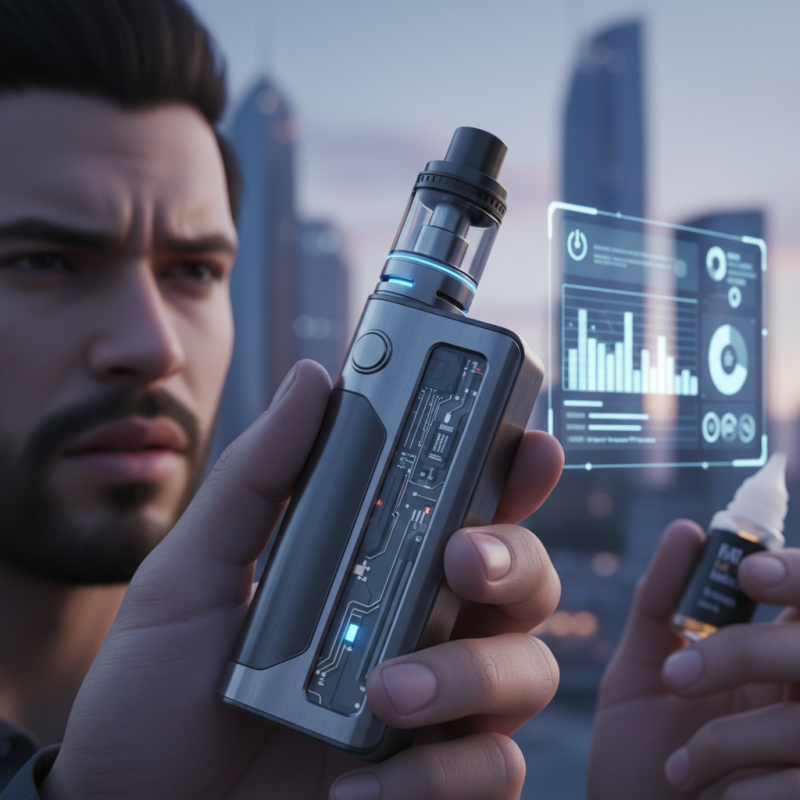
Vaping can be frustrating when your device isn't producing vapor. Many users encounter this issue, and understanding the common causes is essential for troubleshooting. One frequent reason for low vapor production is a depleted battery. If your device isn’t charged, it won’t create the necessary heat to vaporize the e-liquid.
Another common issue could be a clogged coil. E-liquids can build up residue over time, making it difficult for vapor to flow. Regularly cleaning or replacing the coil can resolve this problem. It's also worth checking the e-liquid level. If the tank is empty, there will be no vapor either.
Sometimes, users overlook airflow settings. Restricted airflow can lead to a tighter draw, resulting in less vapor. Adjusting your device's airflow can make a significant difference. If you experience persistent problems, consider whether your technique is effective. Poor inhalation can also limit vapor production. Users should reflect on how they are using their devices to ensure a satisfying experience.
The quality of e-liquid significantly impacts vapor production. A recent industry report indicates that over 40% of vapers experience issues with insufficient vapor. This is often linked to the e-liquid's ingredients. High-quality e-liquids typically use food-grade ingredients. They provide a balanced blend of propylene glycol (PG) and vegetable glycerin (VG). These ratios determine the density of vapor produced.
In 2026, studies show that users should focus on the VG content. A higher VG concentration results in thicker vapor. Yet, too much VG can lead to clogged coils and poor flavor. This balance is critical for an enjoyable vaping experience. Additionally, flavors derived from artificial sources might affect vapor production. Poor-quality flavoring agents can create residues, blocking airflow and reducing efficiency.
Research highlights that users should inspect their e-liquids carefully. The source and manufacturing processes matter. Vaping can be frustrating if the e-liquid quality is overlooked. Inadequate vapor production often stems from cheap or poorly made liquids. This points to the need for awareness and education. Understanding e-liquid ingredients can elevate the vaping experience. It may seem tedious, but careful selection pays off in the end.
| E-Liquid Quality | Vapor Production (mL) | Device Compatibility | User Satisfaction (1-10) | Common Issues |
|---|---|---|---|---|
| High Quality | 5.0 | Very Compatible | 9 | None |
| Medium Quality | 3.5 | Compatible | 7 | Low Vapor Production |
| Low Quality | 1.0 | Limited Compatibility | 4 | Burnt Taste |
| Premium Quality | 6.5 | Highly Compatible | 10 | Consistent Flavor |
| Standard Quality | 4.0 | Compatible | 6 | Occasional Leaking |
When your vape device fails to produce vapor, one of the key factors to consider is the type of coil used. Different coil types affect how efficiently vapor is generated. For instance, sub-ohm coils produce larger clouds due to lower resistance, allowing more power to flow. These coils typically require higher wattage to function optimally. If you’re using a standard coil and expecting dense vapor, you might be disappointed.
Resistance plays a crucial role as well. Coils with higher resistance (above 1 ohm) will heat up slower. They produce a milder experience and can lead to less vapor production. When resistance is too high, your device may not generate the heat needed for effective vaporization. A common issue arises when users mix and match coils that don’t align with their device's specifications, leading to subpar vapor output.
Consider the age and condition of your coils, too. Over time, they can build up residue or burn out, impacting vapor generation. Cleaning or replacing coils can sometimes resolve issues. Understanding these elements can enhance your vaping experience. If problems persist, it may be time for a deeper review of your device settings and compatibility.
When using a vape device, battery health is crucial for proper vapor production. A weak battery often leads to disappointing results. Check the battery's charge level regularly. If your device is not producing vapor, it might be time for a replacement. Old batteries may not hold a charge effectively, resulting in low power output.
Power settings also play a vital role in vapor production. Most devices come with adjustable wattage or voltage options. Users often overlook the need to tailor these settings to their specific preference. Higher settings create more vapor but can burn out coils faster. Experiment with different levels to find the sweet spot. Remember, not every device performs equally well at maximum settings.
Many users neglect the importance of regular maintenance. Dirty coils can impact flavor and vapor output. Clean the connections and replace the coil when needed. This might seem minor, but it significantly affects your vaping experience. A little attention can make a substantial difference in performance. It's essential to listen to your device and adjust your habits accordingly.
This chart illustrates the relationship between battery health, power settings, and vapor output for vape devices in 2026. The vapor output increases significantly as battery health improves and higher power settings are utilized.
Vaping devices can sometimes leave users disappointed when they fail to produce vapor. One common issue is a dirty tank or coil. Residue builds up and clogs, impacting vapor flow. Regular cleaning is vital. Simply rinse and dry components weekly to maintain optimal airflow.
Another factor could be an old coil. Coils degrade over time, leading to a burnt taste and poor vapor production. Replacing coils every few weeks ensures fresh flavor and adequate vapor. Pay attention to the manufacturer's recommended replacement schedule for best results.
Battery life is another consideration. Insufficient battery charge can lead to weak vapor. Always check your battery level before use. Ensure your device's power settings suit your preferences. Experiment with different wattage or voltage levels to find the sweet spot for vapor production. Regular maintenance can significantly enhance your vaping experience and prevent future issues.
: Sub-ohm coils create larger clouds due to lower resistance. Standard coils produce less vapor.
Higher resistance coils heat slower and produce milder vapor. If too high, they may not vaporize effectively.
Weak batteries result in low power output. Regularly check battery levels to ensure optimal operation.
Adjusting wattage or voltage affects vapor production. Higher settings mean more vapor but can damage coils.
Mixing incompatible coils leads to poor vapor output. This mistake often goes unnoticed until performance drops.
Dirty coils can harm flavor and vapor production. Regular cleaning and replacement can improve performance.
Check the battery and coils first. Consider cleaning or making adjustments to your device settings.
Experiment with different wattage levels. Finding the perfect balance can enhance your vaping experience.
Reduced vapor production or off-flavors often signal it’s time for a coil change. Don’t ignore these signs.
Older coils can build up residue or burn out. Regular assessment is key to maintaining a good vaping experience.
In 2026, many users may find themselves asking, "why is my vape device not producing vapor?" There are several common causes for vapor production issues, ranging from e-liquid quality to coil types. Poor-quality e-liquids can impact vapor density and flavor, while coil resistance plays a crucial role in heating efficiency. Understanding the different types of coils can help users select the right one for optimal performance.
Additionally, battery health and power settings significantly influence vapor output. A depleted or poorly maintained battery can lead to insufficient vapor production. To ensure a satisfying vaping experience, regular maintenance, such as cleaning the device and replacing coils when necessary, is essential. By addressing these factors, users can improve their vape devices' performance and enjoy consistent vapor production.

Onics Vape