Top Vape Device Safety Features Buyers Should Know

Time:2026-11-15 Author:Amelia
0%

A vape device can look simple on a counter: a small screen, one button, and a charging port. Inside, however, a battery and heating system need safeguards that respond when something goes wrong. Buyers asking “what safety features should a vape device have” should look for overcharge, overcurrent, and short-circuit protection. Automatic shutoff and overheating protection also matter. Clear instructions should explain charging and routine care.

Dr. Konstantinos Farsalinos, a physician and e-cigarette researcher, has stated, “E-cigarettes are not harmless, but they are much less harmful than smoking.” That caution is relevant to hardware, too: a protective feature cannot make a device risk-free. Check that the battery housing is intact, the charging port feels secure, and the device does not become unusually hot during normal charging. Small details matter. A feature listed on a package is not proof of reliable engineering, and labels can be vague. That deserves a second look. This outline focuses on practical safeguards, including battery protections, temperature control, automatic cutoffs, and signs of poor build quality. It also considers what product information buyers should verify before choosing a device. Good safety design reduces foreseeable risks; it does not remove every risk.
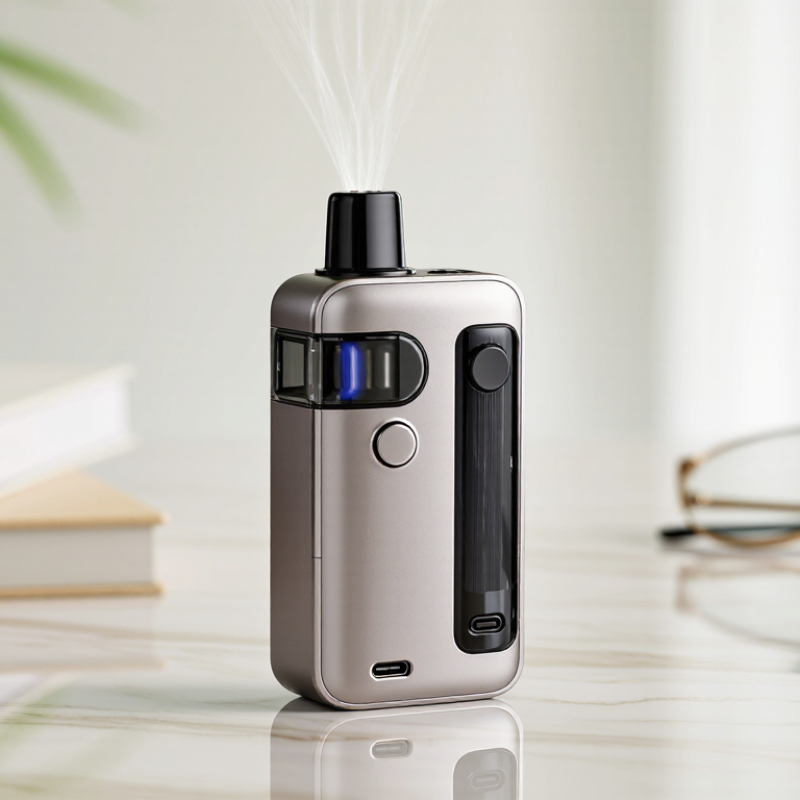
Top Vape Device Safety Features Buyers Should Know

How Vape Device Safety Features Work

A vape device’s safety features are small electronic checks, not a guarantee against every failure. When you press the power button, a control circuit monitors how long the device is activated. Many models stop output after a set interval, reducing the chance of continuous heating if the button sticks. That matters. The cutoff may vary, so check the device instructions rather than assuming all models behave alike.

Battery protection works by monitoring electrical conditions. If the circuit detects a short, unusually high current, or voltage outside its operating range, it may interrupt power. Temperature monitoring can also pause operation when the device becomes too hot. Heat builds quickly. A warm casing after repeated use is a reason to let the device cool, not to keep testing it. Built-in protection cannot repair a crushed battery or damaged wiring.

Airflow and connection checks are less visible but still useful. Some devices prevent activation when parts are fitted incorrectly; others may not. Keep contacts dry and clean, and stop using a device with a swollen battery, burnt smell, or erratic firing. Still, no circuit is magic. Safety features can fail, and user manuals sometimes leave practical questions unanswered. Regular inspection remains part of safe use.

Battery Protection and Electrical Safeguards

Battery protection begins with controls buyers may never see: overcharge cutoff, overcurrent limits, short-circuit protection, and temperature monitoring. These safeguards can interrupt abnormal electrical conditions, but they cannot make damaged equipment safe. A U.S. Fire Administration report covering incidents from 2009 to 2016 recorded 195 electronic-cigarette fires and explosions, 133 acute injuries, and 38 severe injuries. Those figures describe reported incidents, not the risk for every device. Still, they show why battery design deserves close attention. Small circuits matter.

Check the user manual for clear charging instructions and protections, and use only a compatible charger. Stop using a device if it becomes unusually hot, develops a swollen battery, or shows damaged wiring. A charging light is not proof that every safeguard works. UL 8139 is a relevant safety standard that evaluates electrical, battery, and charging systems in these devices; buyers can look for clear information about applicable testing rather than relying on vague safety claims. One detail is easy to miss: a protection circuit may reduce risk, but poor handling or wear can still create hazards. And labels are not always easy to compare. That deserves more attention.

Top Vape Device Safety Features: Battery Protection and Electrical Safeguards

These reference values illustrate a common single-cell lithium-ion battery: nominal voltage is typically around 3.6–3.7 V, and 4.2 V is a common full-charge limit. Exact limits vary by cell; device overcharge protection should follow the battery manufacturer’s specifications. Also look for over-discharge, overcurrent, short-circuit, and temperature protection.

Temperature Control and Overheating Prevention

Temperature control helps keep a heating element within a selected range instead of letting power rise unchecked. Some devices estimate coil temperature from changes in electrical resistance, so the feature works only with compatible coil materials and settings. Check the device instructions before changing modes; a mismatch can make readings unreliable.

Overheating protection may reduce power or shut the device off when it detects excessive heat or an electrical fault. It is a backup, not a guarantee. Keep air inlets clear, and avoid leaving the device in a hot car or direct sunlight. Small details matter.

If the body or mouthpiece becomes unusually hot, stop using the device and let it cool on a nonflammable surface. Check for warning messages, blocked airflow, or visible damage before using it again. Do not keep testing a device that repeatedly shuts down. That pause matters. Temperature controls also cannot fix a damaged coil, poor connection, or worn battery. I would not assume a safety feature is working just because a display shows a temperature; the manual and the device’s behavior both deserve attention.

Leak-Resistant Design and Material Safety

Leak resistance starts at the seams, not the product description. Check for a snugly fitted tank, intact seals, and a fill port that closes without wobbling. After filling, wipe the device and leave it upright on a clean tissue; even a faint wet ring deserves attention. Small details matter.

The risk is not theoretical. A CDC MMWR report recorded monthly U.S. poison-center calls involving e-cigarette exposures rising from one in September 2010 to 215 in February 2014; 51.1% involved children under five. These calls do not measure leaks directly, but they show why secure closures and careful storage matter. A glossy finish proves little. Ask whether liquid-contact parts have documented material specifications and testing for chemical compatibility, heat, and leakage. Stainless steel, glass, and plastics are not automatically safe in every formulation or temperature range. I would not rely on a “BPA-free” label alone; it says little about other substances or the device’s seals. Look for clear test records, and inspect seals for swelling, cracks, or residue. Even good designs can fail. The evidence is worth checking.

How to Evaluate Safety Features Before Buying

Top Vape Device Safety Features Buyers Should Know

How to Evaluate Safety Features Before Buying

Treat safety claims as items to verify, not promises. The U.S. Fire Administration’s 2017 review recorded 195 U.S. fire and explosion incidents involving e-cigarettes from 2009 through 2016. That history makes battery and charging safeguards worth checking closely. Look for clear protections against overcharging, short circuits, and overheating. Check the manual for operating limits and charger requirements. Small details matter. A long feature list is not proof, and vague wording is easy to overread.

Seek independent certification for the exact device model. UL 8139 addresses electrical, mechanical, and thermal safety for e-cigarette systems; confirm any certification in the certifier’s directory rather than relying on a logo alone. Inspect the device for a secure battery compartment, intact insulation, and sturdy charging connections. Ask whether protections remain active during charging. A polished screen can look reassuring, but it cannot show how the device performs under fault conditions.

Tips: Match the charger to the manual. Check the exact model’s certification record. Avoid devices with loose battery doors, damaged insulation, or unclear temperature-control claims. If specifications are missing, pause before buying.

FAQS

What does an automatic cutoff do?

It stops power after a set activation time. This can reduce continuous heating if a button sticks. Check the manual; cutoff times vary.

How do battery protections respond to electrical problems?

A control circuit may interrupt power after a short circuit, excessive current, or unusual voltage. It cannot make damaged equipment safe.

Can a device’s safety features prevent every failure?

No. Protection circuits can fail, and wear or poor handling can still create hazards. Not a guarantee.

What should I do if the device feels unusually hot?

Stop using it and let it cool. A warm casing after repeated use deserves attention. Do not keep testing it.

Which warning signs mean I should stop using a device?

Stop if the battery is swollen, wiring is damaged, the device smells burnt, or it fires erratically. Do not ignore small changes.

What should I check before charging a device?

Read the manual and use a compatible charger. Keep contacts dry and clean. A charging light does not prove every safeguard works.

How can I check safety claims before buying?

Look for specific protections, operating limits, and charger requirements in the manual. Verify certification for the exact model in the certifier’s directory. Labels can confuse.

What does UL 8139 evaluate?

It covers electrical, mechanical, and thermal safety for e-cigarette systems. Check the exact model’s certification record, not just a logo. Manuals may still leave practical questions unanswered.

Conclusion

A safe vape device should include multiple layers of protection that help prevent electrical faults, excessive heat, and accidental damage. Battery safeguards can reduce the risk of overcharging, short circuits, and overheating, while features such as automatic shutoff and temperature control help keep the device within its intended operating range. A well-designed device should also use durable, heat-resistant materials and a leak-resistant structure to limit exposure to e-liquid and protect internal components.

When considering what safety features should a vape device have, check the product information for clear descriptions of its protections, charging requirements, materials, and maintenance needs. Look for straightforward instructions and visible signs of quality construction, and avoid devices with damaged batteries, loose parts, or unclear specifications. Safety features are most effective when the device is used, charged, and stored according to its instructions.

Amelia

Amelia

Amelia is a seasoned marketing professional with a wealth of expertise in our company’s core offerings. With an unwavering passion for driving growth and innovation, she plays a pivotal role in shaping our marketing strategies and enhancing brand visibility. A key aspect of her responsibilities......