Onics Vape
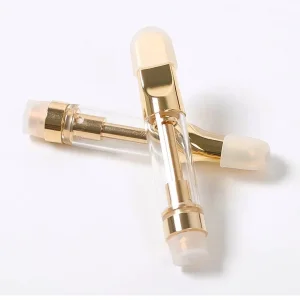
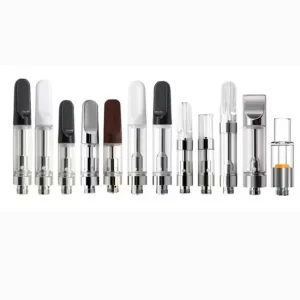
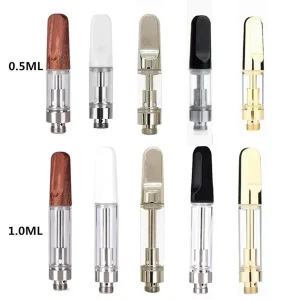
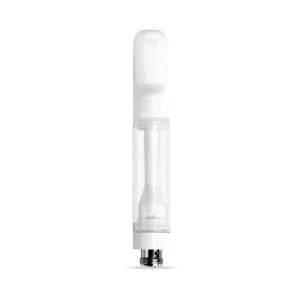
The Evolution of Ceramic Coil Cartridge Manufacturing in the Kathmandu Market
The global electronic atomization hardware industry has experienced a paradigm shift toward porous micro-ceramic heating structures. In South Asia, and particularly within the rapidly commercializing hub of Kathmandu, Nepal, the demand for specialized, high-performance ceramic coil cartridges has accelerated across legal botanical extraction sectors, wellness oil compounding, and consumer device distribution networks. As local enterprises seek reliable direct-from-factory manufacturing partners, evaluating factory capabilities, material purity, atmospheric tolerance, and structural thermal dynamics has become crucial for operational success.
Kathmandu sits at an altitude of approximately 1,400 meters (4,600 feet) above sea level, resulting in an average ambient atmospheric pressure of roughly 86 kPa compared to sea-level 101.3 kPa. Standard vape cartridges engineered solely for sea-level pressures often suffer from positive pressure internal expansion, leading to severe airlock issues and bottom-seal leakage. Factory-direct ceramic cartridges designed for Kathmandu must incorporate pressure-equalizing micro-porous channels and controlled capillary oil intake apertures.
1. Industrial Landscape of the Kathmandu Market
Kathmandu serves as the commercial epicenter for trade, logistics, and technology imports in Nepal. While historically dependent on generic consumer hardware, local distributors and botanical extract processors in the Kathmandu Valley are upgrading their supply chains to medical-grade ceramic atomizers. Key market drivers include:
- Expansion of Essential & Herbal Extracts: Nepal's rich biodiversity (such as Himalayan essential oils, wintergreen, and medicinal herbal extracts) has spawned advanced processing labs in Kathmandu requiring non-reactive, clean-flavor vaporization delivery systems.
- Shift to High-Viscosity Distillates: Traditional cotton-wick atomizers fail when attempting to vaporize viscous botanical concentrates. Microporous ceramic matrix technology offers uniform heat distribution without burning delicate organic compounds.
- Demand for Lead-Free Compliance: International trade compliance requires hardware free of toxic heavy metals. Importers in Kathmandu are establishing strict zero-lead standards for brass core components, glass tanks, and ceramic formulas.
2. Technical Blueprint: Porous Ceramic Coil Micro-Architecture
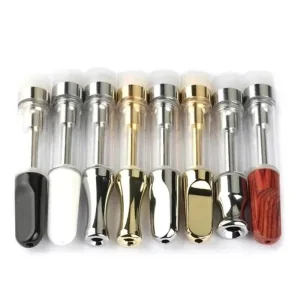
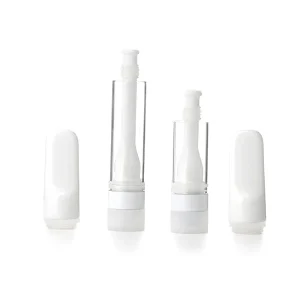
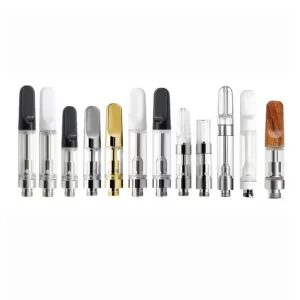
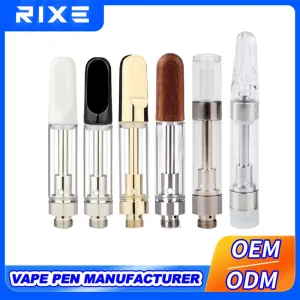
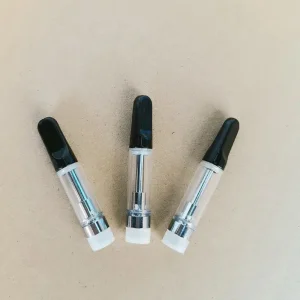
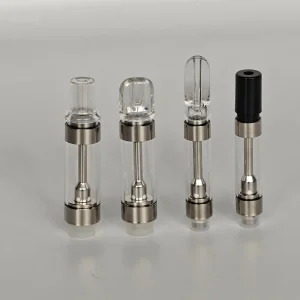
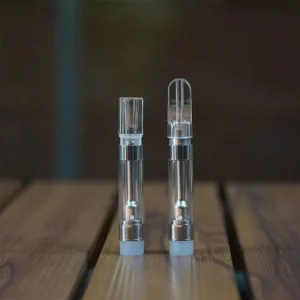
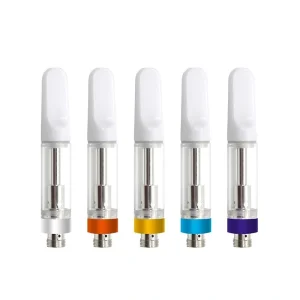
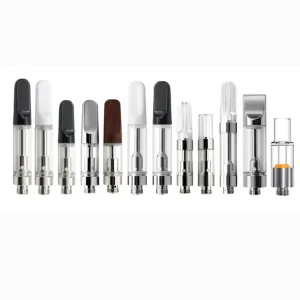
At the structural core of premium 510 thread cartridges is the sintered porous ceramic element. Unlike traditional fiber wicks that decompose at temperatures exceeding 220°C, high-grade ceramic structures engineered by specialized OEM factories feature controlled pore networks with densities ranging from 30% to 50% porosity.
This micro-channel array allows high-viscosity liquid to migrate via uniform capillary forces directly to the embedded heating element (typically Kanthal or Nickel-Chromium wire). By distributing thermal energy across a broader surface area, localized hot spots are eliminated, preventing lipid degradation and toxic byproduct emission.