Onics Vape
1 / 5
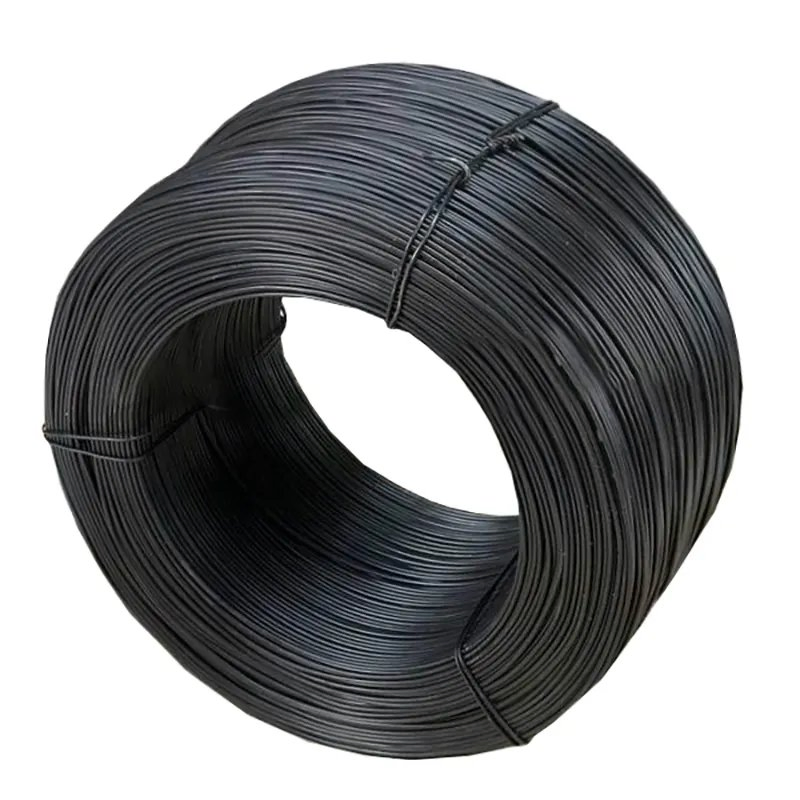
High Quality Steel Wire Rod
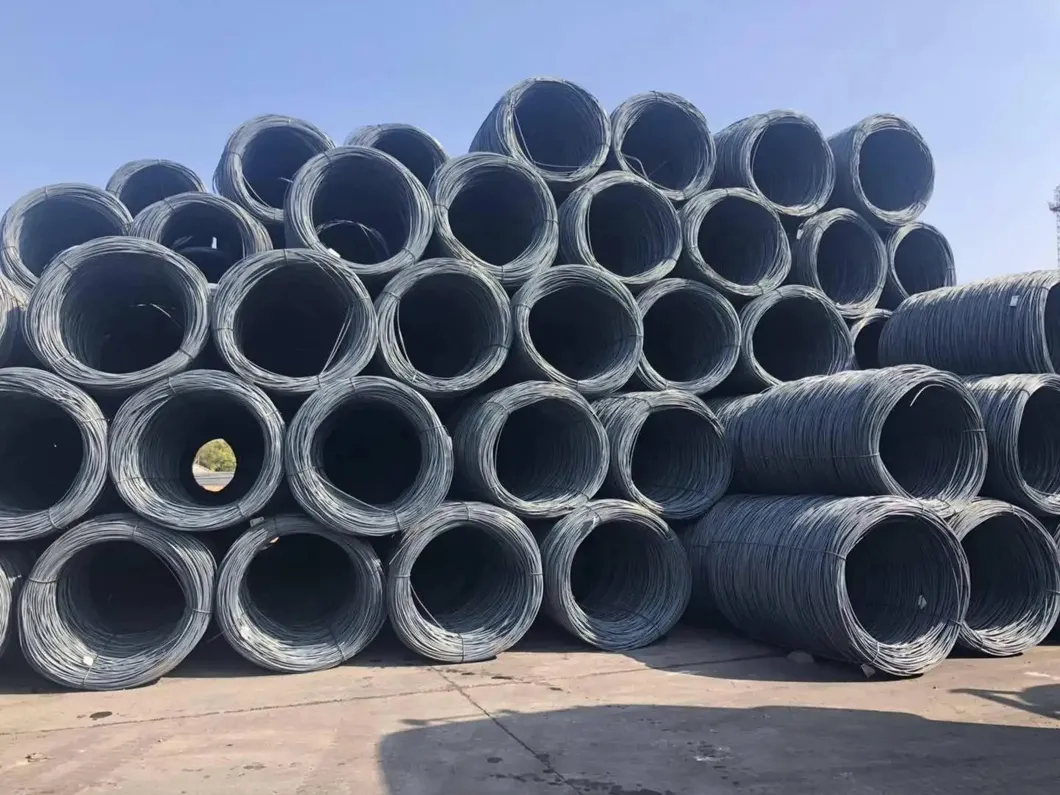
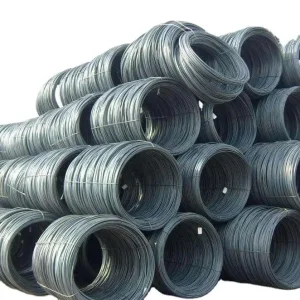
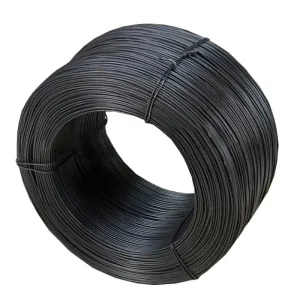
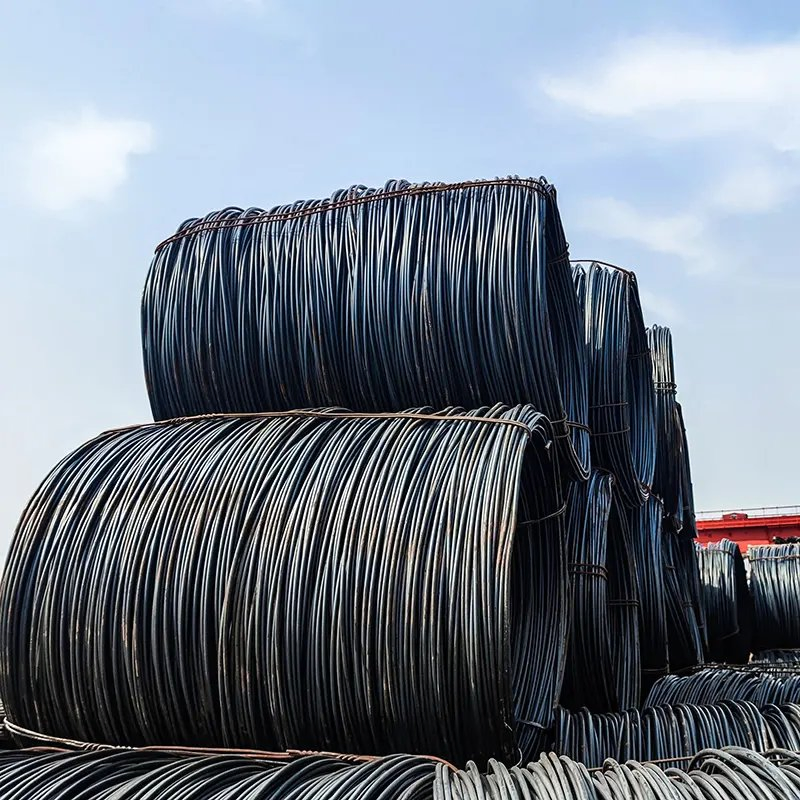
There are many varieties of wire rod. Carbon steel wire rod in the low carbon steel wire commonly known as soft wire, medium and high carbon steel wire commonly known as hard wire. Wire rod is mainly used as drawing blank, but also directly used as building materials and machine parts.
We provide hot-rolled low carbon steel wire rod, ASTM A510/A510M standard, material SAE1006 SAE1008-SAE1022, diameter 5.5-19mm.
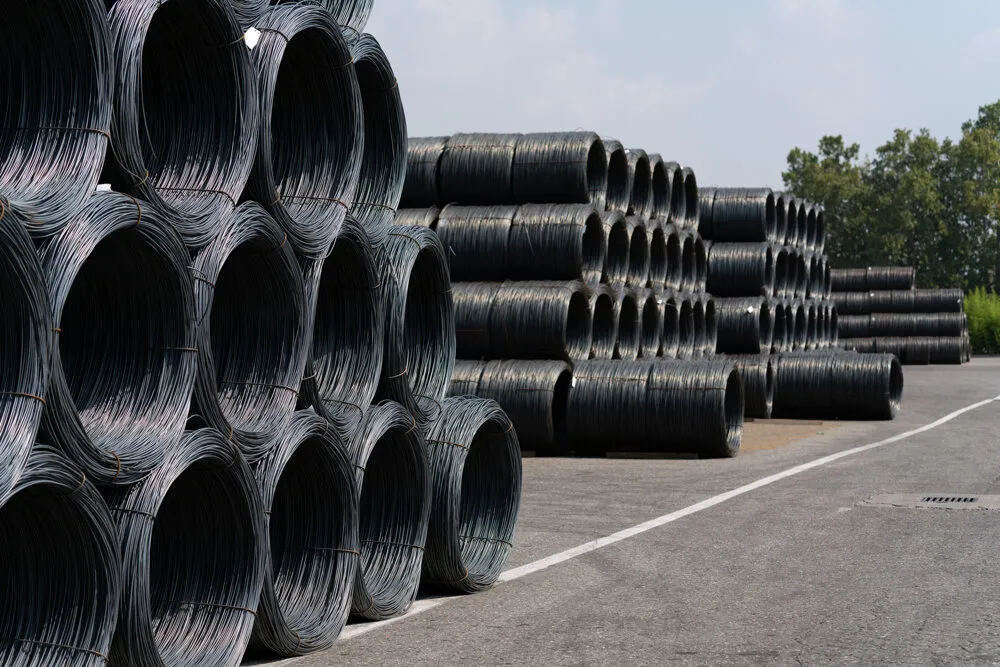
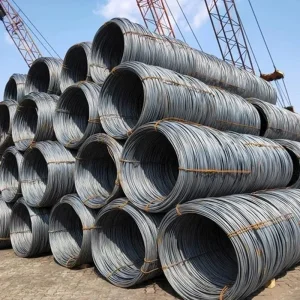
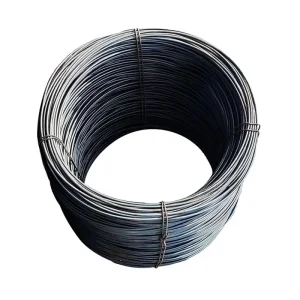
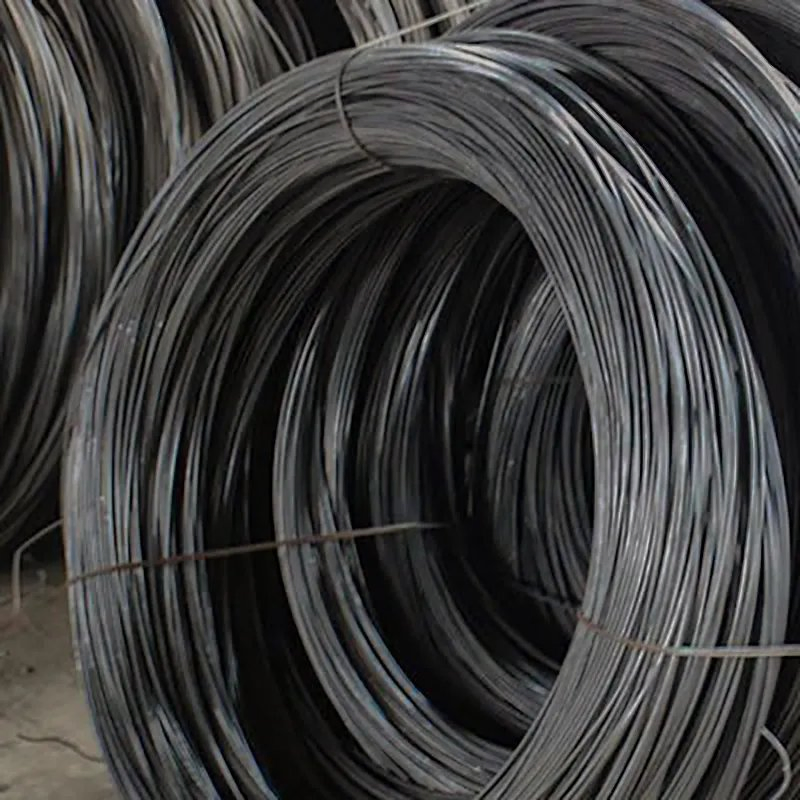
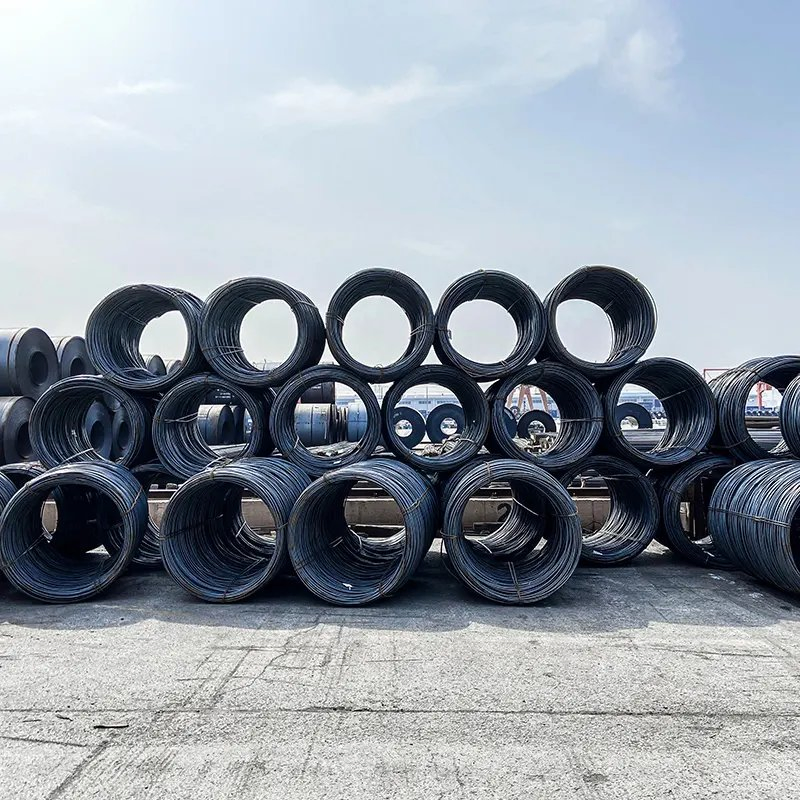
Steel wire rod is a commonly used name in construction projects. It refers to steel bars with a diameter of 5-19mm. Because steel bars with a diameter of less than 10 mm are easy to bend, in order to reduce the length before transportation, the manufacturer will roll the steel bars into rings. On construction sites, such steel bars are simply called discs.
| Products | wire rod |
| Variety | Soft wire, hard wire, spring wire, electrode wire, cold heading wire, electrolytic wire, welding wire etc |
| Size | 0.03-18.0MM Special specifications can also be produced according to drawing and sample |
| Material Grade | SAE1006-1080, WA1010, Q195, SWRH32-37, SWRH42A-77A, SWRH42B-82B |
| Technique | Hot rolled |
| Application | wire-drawing, weaving of wire mesh, soft pipe, bean of cabinet, steel wire, etc |
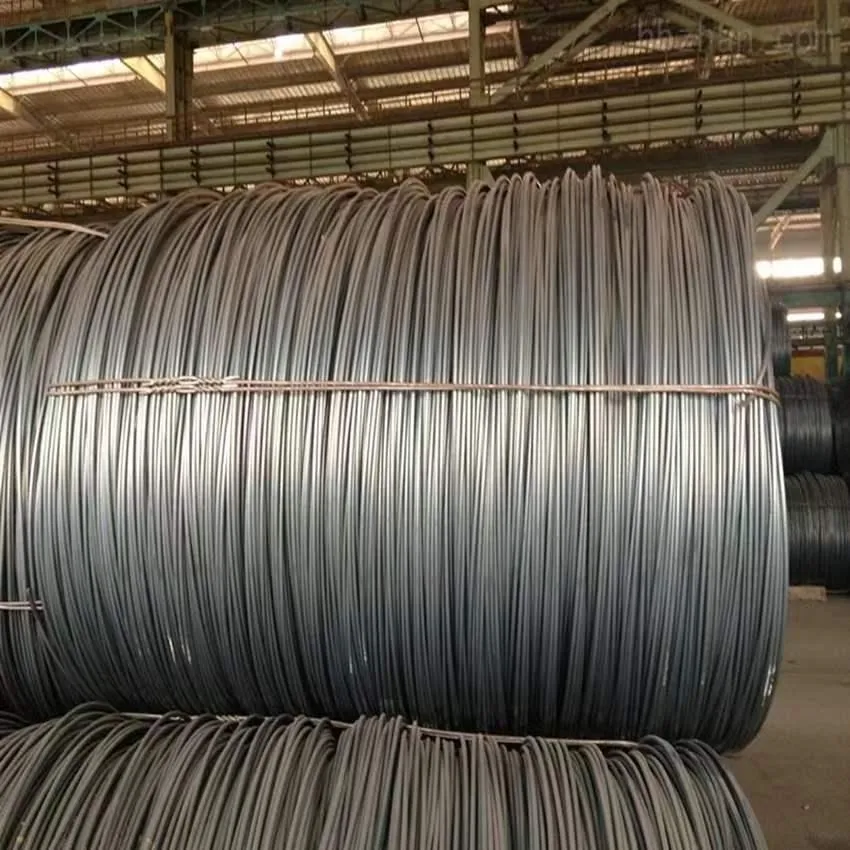
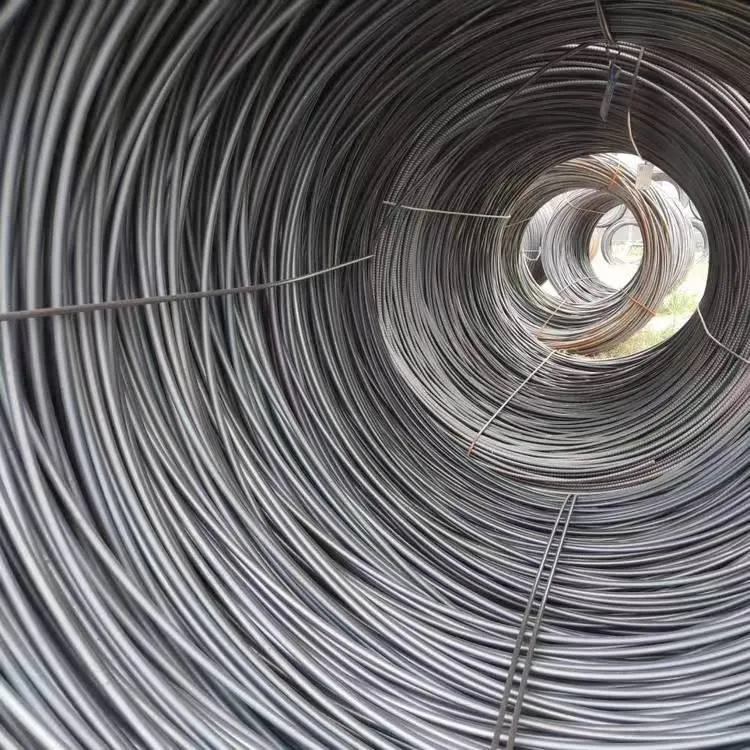
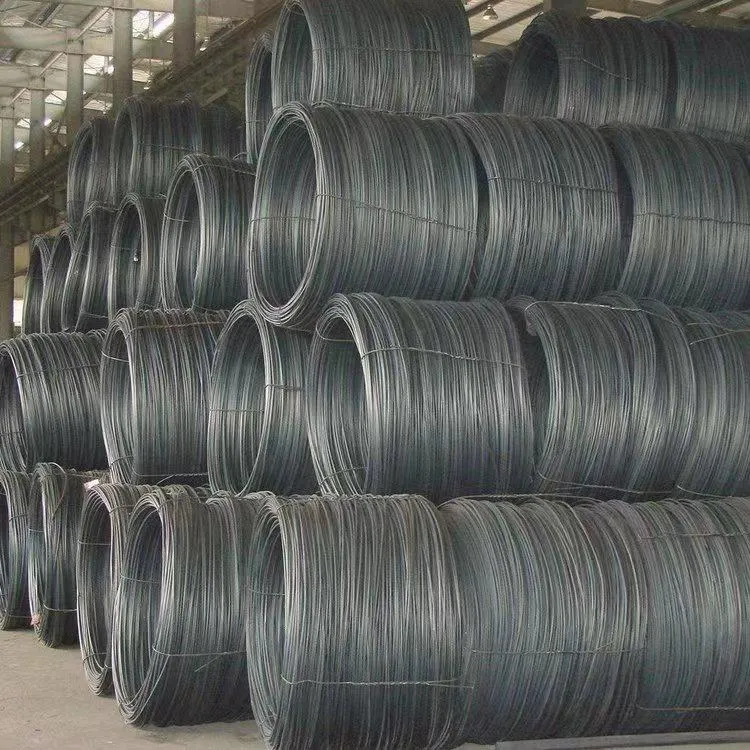
The allowable deviation of the STEEL WIRE diameter of 6-10mm is plus or minus 0.40, and the allowable deviation of out-of-roundness is less than or equal to 0.50. The surface of the steel wire rod must not have cracks or folds. The surface of the disk is iron oxide scale, also known as the decarburized layer.
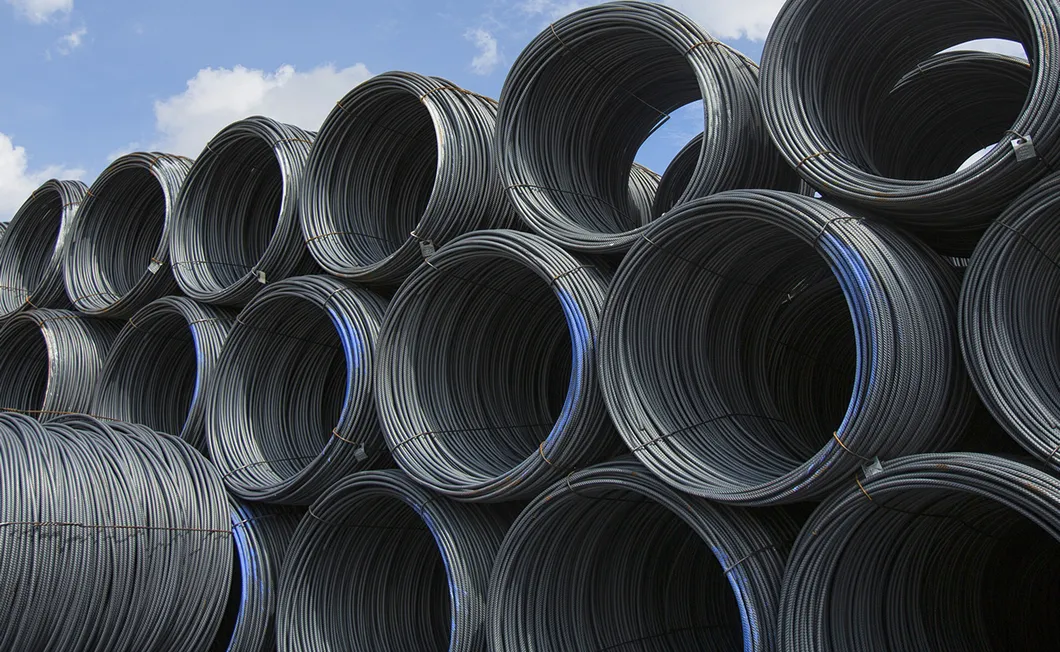
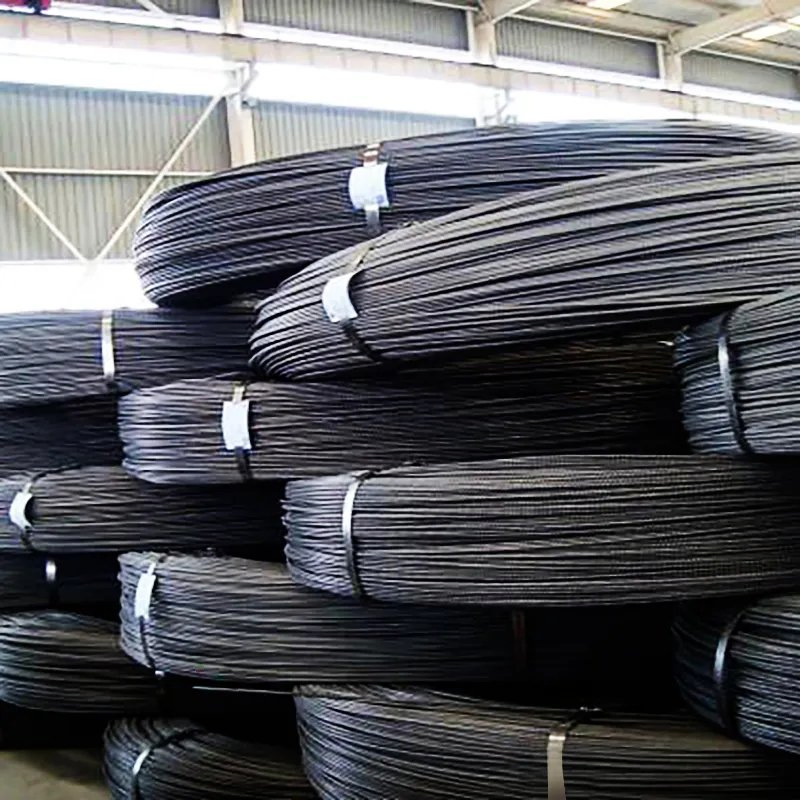
Among carbon steel wire rods, low carbon steel wire rods are commonly known as soft wires, while medium and high carbon steel wire rods are commonly known as hard wires. High-strength prestressed steel wire is an economical and efficient steel material with high tensile strength and yield strength, good plasticity, and low relaxation performance.
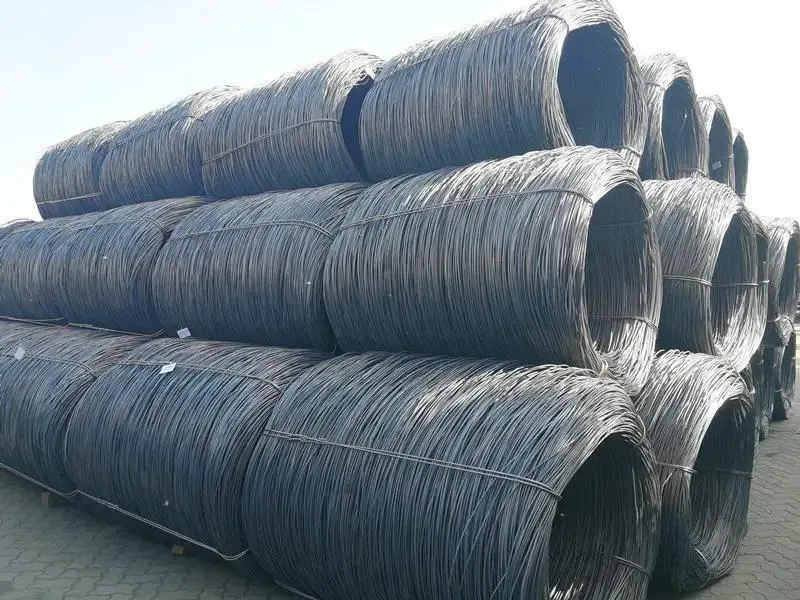
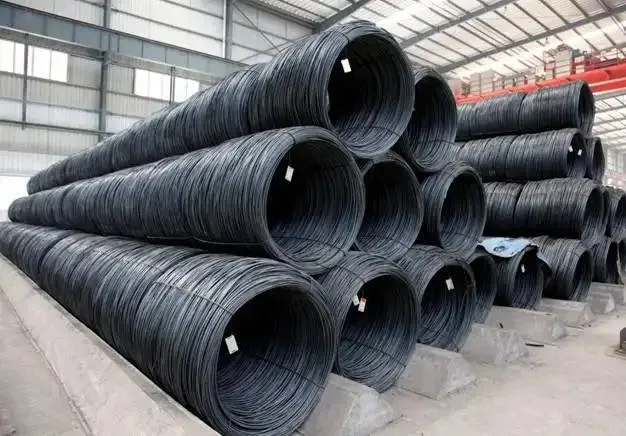
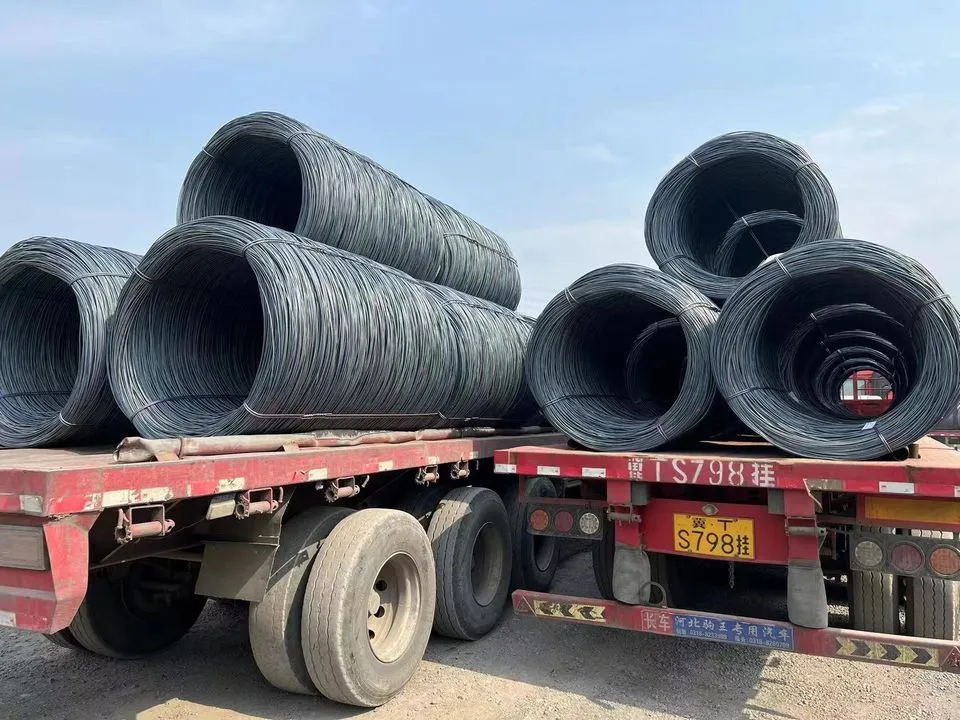
Wire rods need to be straightened and cut using a steel bar straightening machine before use. At the same time, the oxidized scale is removed in the machine, and the strength is improved to a certain extent during repeated bending and stretching. It is widely used in the construction of cement products, bridges, nuclear power plants, high-rise long-span buildings, and highways.